Zelensky: Russia Not Preparing to End War, Plans $12 Billion on Jet‑Powered Attack Drones
Ukrainian President Volodymyr Zelensky said Moscow is not showing signs of preparing to stop its campaign against Ukraine and is instead ramping up spending on jet‑powered drones and other combat systems. Zelensky urged Western partners to stay united to pressure Russia toward negotiations, while monitoring groups document a surge in strikes on Ukrainian infrastructure and civilians.
By Christopher Manley
932 views
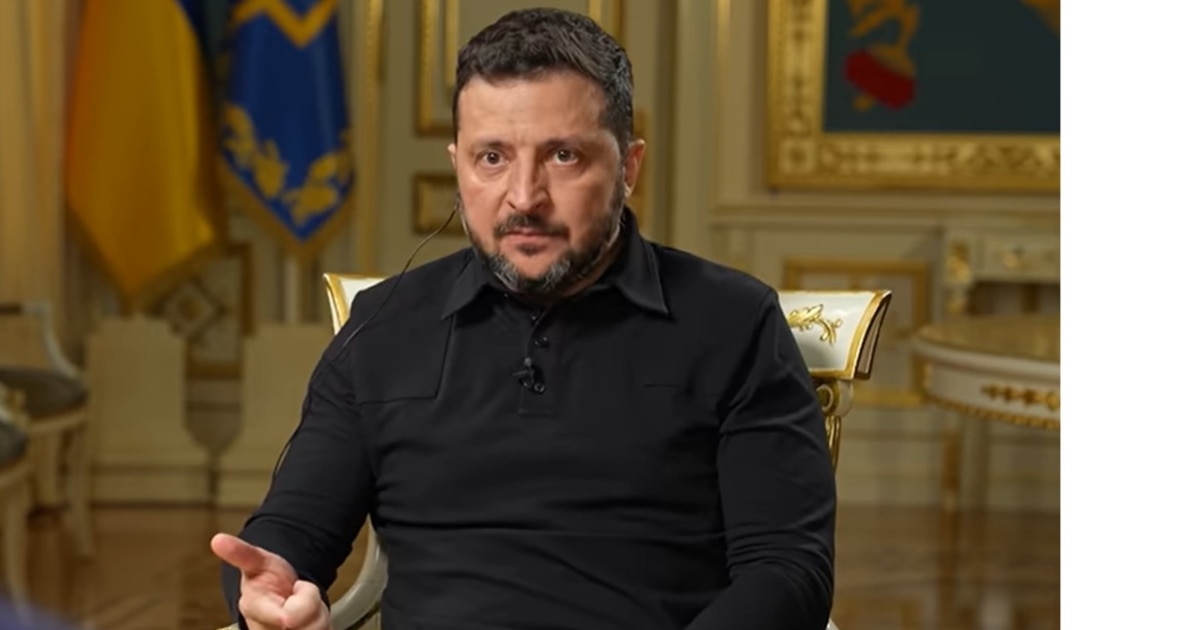
Ukrainian President Volodymyr Zelensky said in a video address on the evening of September 26 that Moscow shows no indication it is preparing to end its war against Ukraine, and reported that Ukrainian intelligence has detected a planned increase in Russian spending on jet‑powered attack drones and other combat systems.
"It is clear that the Russians, at least for now, are not preparing to stop the war," Zelensky said. He told Western partners they must remain united to force the Kremlin to the negotiating table, arguing that Russian President Vladimir Putin repeatedly finds excuses to avoid talks and to continue hostilities. "He always finds some weak pretext — not to meet, not to hold trilateral talks, not to speak, not to end the war, not to stop the killings," Zelensky said, adding that this pattern has persisted for years.
According to Zelensky, Ukrainian intelligence estimates that Russia intends to spend roughly $12 billion next year on production of jet‑engine‑equipped drones and so‑called loitering munitions. He warned that such rearmament plans are not only a threat to Ukraine but could allow Moscow to expand its operations to other countries or regions, underscoring the need for coordinated defence and preventive measures by Kyiv’s partners.
Zelensky said Ukraine’s air defences are intercepting about 55 percent of the jet‑powered drones launched by Russia, but he warned that nighttime strikes on Kyiv and other cities have become more frequent, particularly as the colder season approaches. He thanked partners including the United States, European states, Canada, Japan and others for their assistance and said Kyiv is working closely with those countries to bolster its defences.
Independent monitoring data cited by the address points to a significant uptick in attacks on Ukrainian infrastructure in recent months. An analysis of records from the Armed Conflict Location & Event Data Project (ACLED) shows a marked increase in strikes on civilian warehouses and other infrastructure in the Kyiv region since mid‑June. ACLED recorded roughly 100 strikes or strike series on civilian storage facilities in the Kyiv region between mid‑June and mid‑September, compared with about 50 such incidents recorded between February 2022 and mid‑June 2026.
Zelensky also reported casualties and damage from recent Russian attacks. He said at least four people were killed in assaults on areas in the Zaporizhia and Sumy regions — some parts of which are under Russian occupation — and that more than ten people were wounded across the country. He said civilian and energy infrastructure suffered damage in at least eight regions of Ukraine, including a kindergarten in the capital Kyiv and a university in Kharkiv, the country’s second‑largest city.
The developments underline the continuing toll the conflict takes on civilians and civilian infrastructure, and the implications of Moscow’s apparent shift toward investment in remotely delivered weapons. Zelensky framed the issue as one of collective security, urging partners to sustain unity and support for Ukraine’s defensive capabilities to prevent further escalation and potential spillover. The address and the ACLED data together paint a picture of intensifying attacks on infrastructure at a time when Kyiv is preparing for winter, and they illustrate the continuing international stakes in the conflict.