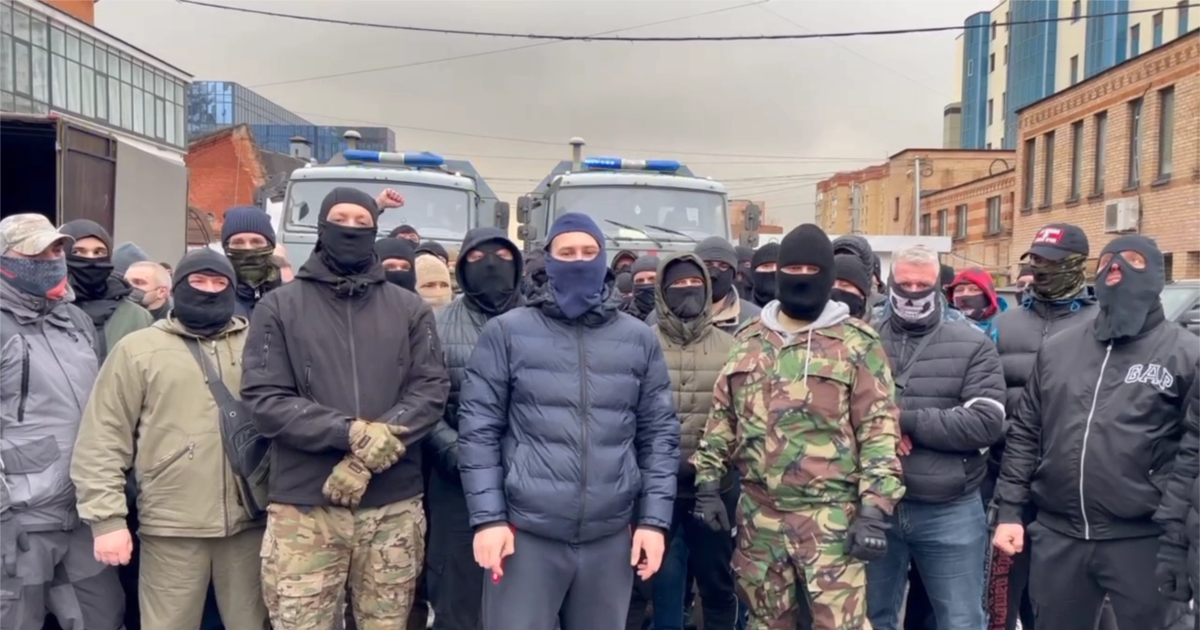
YouTube removes "Урыс җәмгыяте" ("Русская община") channels, citing ban on promotion of extremist and criminal organizations
YouTube has taken down the main and backup channels of the nationalist movement "Урыс җәмгыяте" ("Русская община"), which had about 1.2 million subscribers on its primary account. The platform said the action was based on rules against promoting extremist or criminal organizations; the group’s coordinator, Андрей Ткачук, said they will appeal and accused the company of Russophobia.
By Vanessa Bergmann
1,034 views
YouTube has removed both the main and reserve channels of the nationalist movement "Урыс җәмгыяте" ("Русская община"), the organization’s coordinator, Андрей Ткачук, said, leaving the group without its primary online outlet. The main channel reportedly had about 1.2 million subscribers. According to Tkachuk, YouTube cited the platform’s policies prohibiting the promotion of extremist and criminal organizations when it disabled the accounts.
Tkachuk stated that the movement will seek to contest the platform’s decision and argued that "Урыс җәмгыяте" is not recognized as an extremist organization in Russia. He also publicly accused YouTube of engaging in what he described as Russophobia. The coordinator’s remarks reflect the movement’s position that the removals amount to biased censorship rather than enforcement of legitimate content rules.
"Урыс җәмгыяте" was founded in 2020 and is known as a nationalist, pro-establishment movement in Russia. Members of the group have become known for organizing raids and patrols targeting migrants; reports indicate that on some occasions these actions have been carried out alongside or with the apparent cooperation of law-enforcement personnel. In recent years the movement has staged marches in cities including Ufa, where observers and social networks said participants displayed imperial flags and other nationalist symbols.
The YouTube takedown follows a string of campaigns by the movement targeting Muslim places of worship and communities. Activists associated with the "Русская община" used their channel to call on Moscow authorities about what they described as illegal religious activity at a house of worship in Yuzhnoye Butovo, appealing to the Moscow mayor’s office, the prosecutor’s office, the Interior Ministry (Эчке эшләр министрлыгы) and the FSB. Those complaints prompted the Investigative Committee (Тикшерү комитеты) to announce that it had opened a probe based on the appeals.
The group has also publicly opposed plans for a Muslim community to acquire a building for a house of worship in Balashikha, where critics noted the site’s proximity to a kindergarten and a security-industry company. A report by the SOVA research center (Сова тикшеренү үзәге) said that city officials were forced to respond by denying that they had planned or authorized any such opening or had agreed to the sale of the premises to a religious organization.
Platform enforcement against extremist content sits at the intersection of free-speech considerations and public-safety concerns: removing channels of organizations that advocate or coordinate actions against minorities can limit their reach, but such enforcement also raises questions about consistency, appeal mechanisms, and claims of political bias. In this case, YouTube relied on its stated policy prohibiting promotion of extremist and criminal organizations; the company has not provided additional public comment beyond enforcement notices typically issued to affected channels.
The takedown will likely have immediate practical effects on the movement’s ability to mobilize and broadcast to a broad audience, given the size of its online following. At the same time, the group’s coordinator has indicated an intention to contest the decision, which may bring renewed attention to how private platforms police content tied to nationalism, religious intolerance and vigilantism.
The episode forms part of a broader pattern in which online platforms have increasingly removed content linked to extremist and vigilante actors, amid criticism from those actors and their supporters that enforcement is politically motivated. Observers and rights groups will be watching both the appeals process and any enforcement statements from YouTube for indications about how platforms are applying their policies to similar movements and whether removal leads to de-escalation or to migration of audiences to other services.