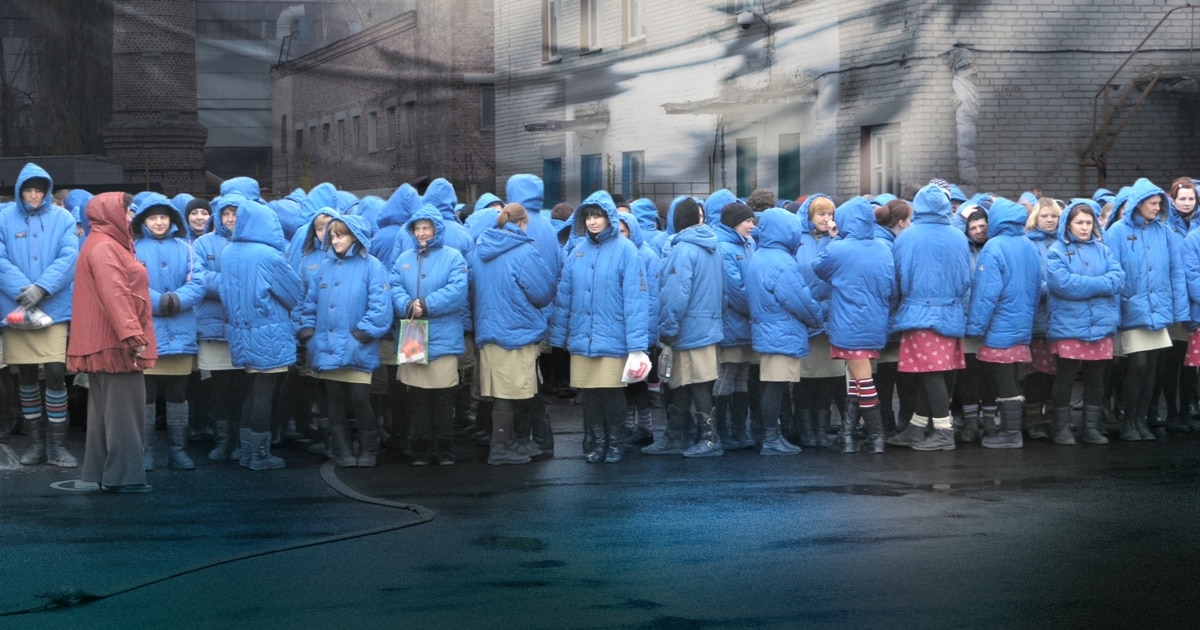
Women’s days behind bars: how convicted Belarusian women live in correctional colonies
Belarusian authorities are preparing a women-focused amnesty, but details about who will be released and on what terms remain unclear. Former political prisoners describe daily life in the country’s two female correctional colonies: overcrowded dormitories, rigid uniforms and schedules, limited hygiene and possessions, and compulsory labour that includes sewing uniforms for security services.
By Alexander Walter
1,013 views
Belarusian authorities have announced plans for a women-focused amnesty, but lawmakers have yet to publish details about how many people might be released or under what conditions. In the meantime, reporting based on interviews with former inmates and human rights activists paints a detailed picture of everyday life for women in the country’s two female correctional colonies — Gomel Correctional Colony No. 4 and the more secluded Zarechya Correctional Colony No. 24 in the Rechytsa district.
Both former prisoners interviewed for this report say that routines are rigid, privacy is minimal and options for meaningful autonomy are effectively eliminated. Colony No. 4 in Gomel receives first-time offenders and currently holds roughly 1,400 inmates, according to rights groups. Colony No. 24, located in a forest settlement, houses recidivists and those who breach internal rules; publicly available information about it is scarce. Exact nationwide figures for incarcerated women are unknown, but estimates place them in the low thousands, including about 100 women detained for political reasons. International research indicates Belarus not only has one of the highest absolute numbers of women political prisoners in Europe but also a notably high proportion of women among all prisoners — around 10–11%, compared with a European average near 5%.
A typical morning begins at 6 a.m. in Gomel: an announcement over a loudspeaker declares wake-up, lights are switched on in dormitories and women have a very limited window — 15 to 20 minutes in some units — for hygiene tasks. Dormitories hold between 20 and 40 women in a “section”; bunk beds are close together, mattresses and basic bedding are assigned, and each bed bears a tag with the inmate’s name, birth year, article of conviction and sentence period. Women cannot choose where to sleep; positions are allocated by staff. Political prisoners reportedly wear yellow “extremist” tags and are generally not allowed bottom bunks, except for medical reasons or special permission.
In Zarechya, former inmates recall even more severe overcrowding in former barracks converted into prison housing, with 70 to 100 people in a single sleeping room on two-tier bunks. Hygiene facilities are limited — some wards share as few as seven sinks and four toilets per hundred people — and doors on some toilets are missing. Seasonal routine changes require specific uniforms and head coverings; women are instructed which dress code to wear each day. Laundry is permitted once a week on the colony’s bathing day, and many items are washed only sporadically.
Daily life is highly regulated. Women stand in lines of five to be counted and escorted for meals and work. Breakfast is routine: milk porridge, white bread and tea; the last groups to enter the canteen may have only about ten minutes to eat. Possessions allowed are tightly controlled: inmates may keep one personal spoon — a crucial item for eating — a limited number of cigarettes in winter, and small personal items. Mobile phones and internet access are not available. Staff conduct selective inspections: entire brigades may be searched, specific individuals checked, and pockets searched when outer garments are unfastened.
Work is central to colony life and often compulsory. Most women sew on factory lines: in Gomel, inmates cut, sew and iron uniforms and garments that include institutional clothing and prison uniforms; in Zarechya, former inmates say factories sew uniforms for Russian soldiers, Russian prosecutors, Belarusian security forces including the KGB, and other state services. Experienced seamstresses with long sentences sometimes earned higher pay — reportedly as much as 200–300 Belarusian rubles a month — but those wages could be partially redirected by authorities toward purchases such as kettles, refrigerators or washing machines for the unit. Average factory earnings are described as 20–30 rubles per month, with some earning as little as one ruble after deductions for alimony or other fees.
Other prison labor includes bakery and greenhouse work in Colony No. 24, where produce and bread are partly sold outside and supplied to other prisons. Some inmates cannot work due to health and instead engage in lighter tasks such as knitting with wooden needles or serving in communal roles like the canteen or children’s house. Pensioners are generally exempt from compulsory labor but are assigned simpler duties and may stand guard at gates.
Former inmates also describe sensory details of life behind the walls: the odors of fried fish and sauerkraut from the canteen, the scent of laundry that rarely dries, the occasional smell of nearby factories, and the sight of the world beyond the fence — passing delivery vehicles or apartment windows lit with holiday garlands that inmates notice from their compounds. Despite such glimpses, women remain confined by strict rules: they cannot freely take a child into their arms, choose their sleeping place, or decide whether to work, and they are barred from basic communications and internet access. Rights advocates warn that the described conditions — overcrowding, limited hygiene, inadequate privacy and compulsory labour producing goods for state services — raise longstanding human rights concerns that remain unresolved as the government discusses an amnesty aimed at women.