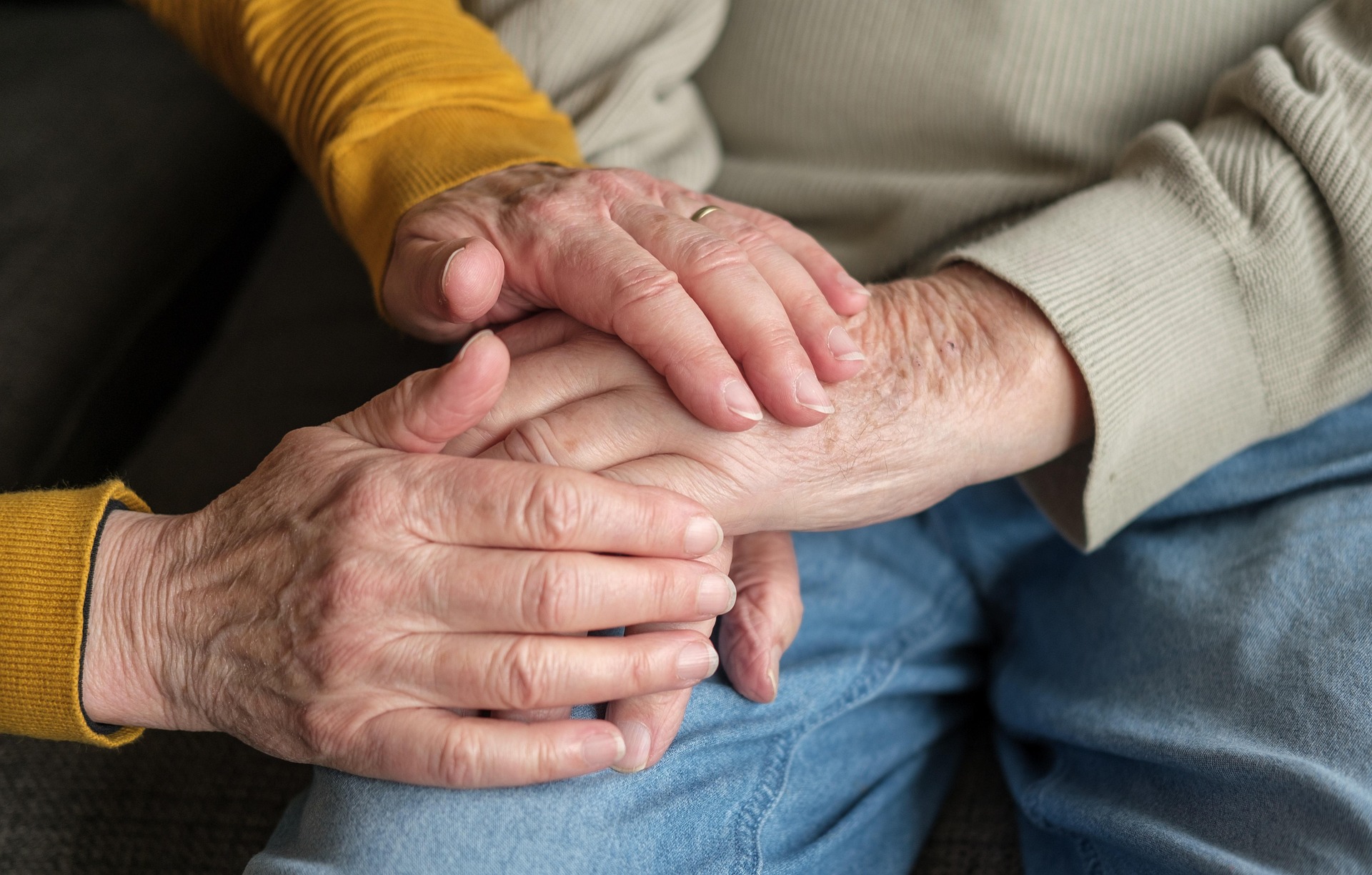
As Spaniards live longer but families shrink and carers run short, the country faces a quiet care crisis that foreshadows a wider European question: when people live longer, who will be there to care for those extra years?
By Juan Pablo Torrents-Faura
989 views
People are living longer, families are getting smaller, and Spain’s public care system is struggling to keep pace. Behind the country’s demographic success, a care crisis is taking shape — one that Europe still does not know how to solve.
Early each morning, in thousands of Spanish homes, a routine begins that rarely appears in official statistics. A daughter prepares breakfast for her mother. A care worker enters a home to help someone who can no longer shower unaided. Somewhere else, a family member waits for a call from the authorities that may take months to come.
These are not isolated cases. They are the building blocks of a care system under growing pressure.
Spain has turned longevity into one of its great social achievements. But the longer people live, the more urgent one uncomfortable question becomes: who will look after those who can no longer look after themselves?
The numbers offer a first answer — and it is not reassuring. In 2026, the International Centre on Ageing estimated that 63.1 per cent of people over 65 with severe difficulties carrying out daily activities were not receiving support through Spain’s dependency care system. Meanwhile, more than 1.6 million people were receiving assistance through the system at the end of 2025. The average waiting time for a benefit or service had reached 341 days. More than 32,000 people died during that year while waiting for a response, according to figures from Spain’s Ministry of Social Rights.
For those who can access a care home, however, there is no automatic solution.
Spain had 4,596 residential care centres and 348,567 places in 2025, according to the national census published by Imserso, Spain’s Institute for Older Persons and Social Services. Yet thousands of people were still waiting for a publicly funded or publicly supported place.
And there is another question, less visible than the shortage of places: what kind of life does the system offer once someone enters residential care?
The same census found that 53 per cent of the centres surveyed did not allow residents to decide when they got up or went to bed.
It may seem like a small detail. In reality, it points to a debate that is beginning to spread across Europe: the difference between keeping a person cared for and allowing them to retain control over their own life.
The Spanish government is attempting to change the model. Reforms approved this year aim to strengthen home-based care, reduce bureaucracy and make it easier for people to remain in their own homes for longer. Up to €6.2 billion in additional funding has been earmarked for 2026 and 2027.
But there is an obstacle that no budget can solve on its own: there are not enough carers. The sector relies overwhelmingly on women. According to CENIE, the International Centre on Ageing, approximately 87 per cent of care workers are women. An even larger share of care work takes place outside the formal labour market, within families themselves.
For decades, that invisible labour helped keep the system functioning. But Spanish families are now smaller, women are increasingly active in the workforce, and geographical mobility has separated many children from their parents.
The old family-based care model is losing its capacity.
What is happening in Spain foreshadows a much broader European debate. Sweden, Germany, Italy, Portugal and other countries face the same combination of ageing populations, longer life expectancy and a relatively smaller pool of working-age people available to provide care. Spain is trying to adapt its system before demographic pressure becomes even greater. But the real test is simple to formulate and far harder to answer:
When Europe succeeds in enabling its citizens to live longer, who will be there to care for those additional years?