Week in Kazakhstan: Extradition fears and press restrictions as energy and environmental moves continue
Kazakhstan’s recent week combined economic and environmental decisions with mounting human-rights concerns. Authorities moved to license cryptocurrency exchanges and signalled larger gas imports from Russia, while probes found pollution linked to an urban refinery; at the same time, a Chechen activist’s failed appeal and subsequent suicide attempts and the conviction of a satirist raised alarm over extradition, detention conditions and freedom of expression.
By Paolo Sorbello.
916 views
A string of developments across Kazakhstan over the past week have showcased the country’s competing pressures: economic policy shifts and international energy ties, local environmental concerns, and an intensifying human-rights and press-freedom spotlight triggered by high-profile detention cases.
On economic regulation, the head of the Central Bank, Timur Suleimenov, announced on September 15 that three cryptocurrency exchange operators have been granted formal licences in Kazakhstan. Those platforms have generated roughly 2 billion tenge (about $4.5 million) in trading volume over the past two months, and five additional firms are reportedly in the licensing process. The move signals growing state engagement with crypto markets and the government’s intent to bring the sector under formal supervision.
Energy-sector moves this week included both corporate retrenchment and broad government planning. Al-Farabi Operating, a joint venture between state-owned Kazmunaigas and Russia’s Lukoil, said on September 16 that it would withdraw from an oil and gas exploration licence in the Caspian Sea and return the permit to the government. Formed in 2021, the venture did not discover commercially viable oil. Lukoil is separately understood to be negotiating the sale of its stake in the Kalamkhas-Khazar Caspian project amid continued Western sanctions against the Russian company.
At the same time, Kazakhstan’s Ministry of Energy outlined import plans that underscore growing reliance on Russian gas: the ministry said it plans to import up to 11 billion cubic metres (bcm) of gas from Russia in 2026, a sizable increase from the 4 bcm imported in 2025. Those 2025 imports accounted for about 70 percent of Kazakhstan’s total imports and roughly 13 percent of the country’s total domestic gas consumption, estimated at about 30 bcm. The ministry indicated a planned reduction to about 9 bcm for 2027.
Environmental accountability also featured prominently after intervention by regional authorities. Following direct orders from the newly appointed governor of the Atyrau region, Bulat Akchulakov, the national Ministry of Ecology reported on September 17 that investigators had found evidence of air pollution linked to the city’s oil refinery and sewage treatment facilities. Atyrau is home to one of Kazakhstan’s three largest refineries, and pollution findings highlight ongoing tensions between industrial activity, urban environments and community health.
Human-rights concerns were sharpened by two detention-related developments. Chechen activist Mansur Movlayev, who has been held in Kazakhstan’s pretrial detention system while seeking asylum, attempted suicide twice on September 15 and 16 after his appeal against extradition to Russia was rejected. Movlayev had been detained for approximately a year and a half while his asylum claim was considered; the recent decision places him at risk of being returned to Russia. The reported suicide attempts in the Almaty detention centre raise urgent questions about his mental-health care in custody and the state’s obligations under asylum and extradition procedures.
Press freedom and freedom of expression were also directly affected this week. Satirical commentator Azamat Omarov pleaded guilty to charges of “inciting social discord” and was released from pretrial detention on September 15 under a deal that imposes a 3.5-year suspended sentence and a five-year ban on socio-political activity, which includes operating his online commentary channel. Human Rights Watch commented that, by bringing these charges, the authorities effectively silenced Omarov. Rights groups are likely to view Omarov’s case as part of a broader pattern of using criminal charges to curb critical speech and dissent.
Separately, former banker Zhomart Yertayev was released this week after completing a multi-year prison sentence for embezzlement related to Bank RBK, a mid-sized lender he once led. Another figure tied to the same case, Bakhyt Ibragim, had been sentenced previously and died by suicide a few months after his release in 2023. These developments echo continuing questions about accountability, business governance and the human costs of high-profile financial prosecutions.
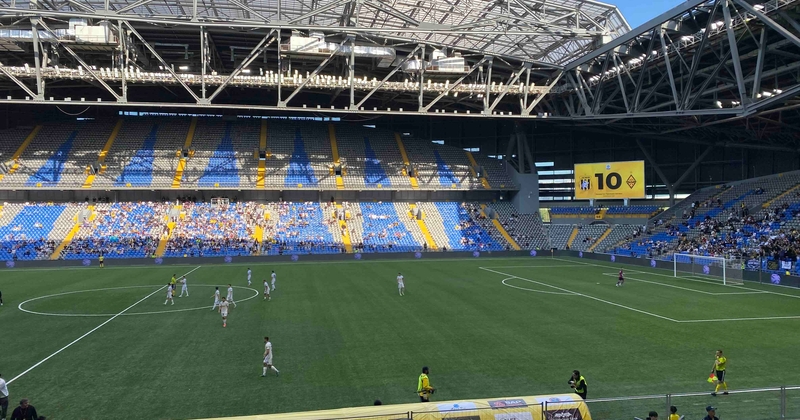
Beyond governance and rights matters, Kazakhstan is also moving forward with international cultural and sporting events. UEFA announced the 2028 Supercup will be staged in Astana, marking the first major UEFA final to be hosted in Kazakhstan; the match is scheduled for the 30,000-seat Astana Arena. Separately, organizers say Astana will host what they describe as the world’s largest AI film festival from October 1 to 3, having received some 8,000 submissions. Together, these events reflect Kazakhstan’s ambitions to attract global cultural and sporting attention even as domestic rights and environmental issues draw scrutiny.
Taken together, the week’s news underscores a complex public-policy landscape in Kazakhstan where energy diplomacy and economic regulation intersect with contested questions over detention, extradition, environmental protection and limits on political and satirical expression.