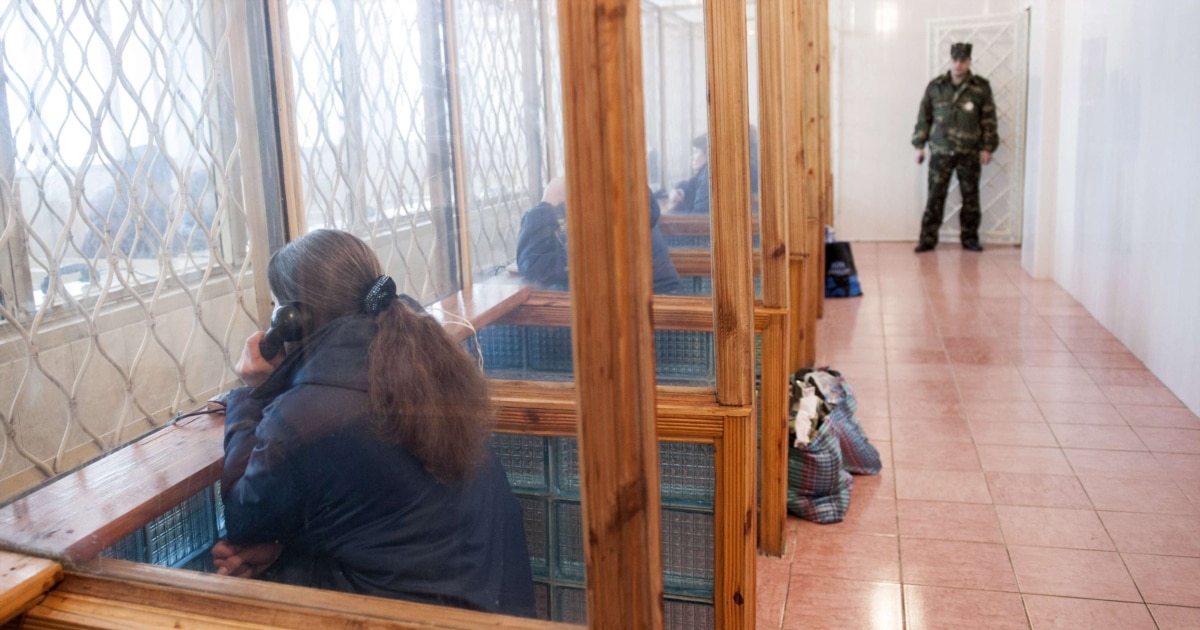
Uzbek Draft Rule Would Charge Per-Minute Fees for Prison Calls, Raise Costs of Long Visits
A joint draft resolution from Uzbekistan’s Ministry of Internal Affairs and Ministry of Economy proposes new tariffs for prison visits and remote communications, including per-day charges for long visits and per-minute fees for video and phone calls. The proposal would require cashless advance payments for visits and automatic deductions for calls from inmates' personal accounts, while exemptions would not apply to remote communications.
By Christopher Manley
949 views
Uzbek authorities have put forward a draft joint resolution from the Ministry of Internal Affairs (MVD) and the Ministry of Economy that would introduce new fees for in-person visits and remote communications with people serving prison sentences. The document, published for public discussion, outlines a system of tariffs that links the cost of long, in-person visits to the capacity of the visitation room and charges video and telephone conversations on a per-minute basis.
Under the proposed schedule, a long in-person visit would cost between 88,000 and 132,000 Uzbek som per day (roughly $7.50–$11 at current exchange rates). Video calls would be billed at 2,200 som per minute, while telephone conversations would cost 440 som per minute. The draft additionally stipulates that long visits must be paid for in advance via non-cash means such as bank cards or electronic payment systems; paying in cash would be prohibited.
Remote communications would be handled differently: the cost of video and telephone calls would be automatically debited from the imprisoned person's personal account. If the account balance is insufficient, the service may be provided only up to the amount available on the account. The draft therefore ties prisoners’ ability to receive remote contact directly to funds held in their accounts.
The draft includes exemptions for some categories of visitors when it comes to in-person long visits. Exemptions would cover the prisoners themselves, children up to and including 16 years old (provided no other adults accompany them to the visit), people with first-group disabilities, and family members registered in the national Social Registry. Importantly, the document makes clear that these exemptions would not extend to remote video visits or telephone calls — those would remain subject to payment regardless of the visitor’s status.
Officials say the proposal remains a draft and is currently open to public comment; the tariffs have not been enacted and could change following the consultation. The draft also indicates that the fee for long visits will vary depending on the size or occupancy of the visiting room, although the published summary does not list the precise capacity categories or the formula used to set the specific 88,000–132,000 som range.
Human-rights implications are immediate: access to family and social ties is widely considered an important element of rehabilitation and of prisoners’ rights. Charging per-minute rates for phone and video contact and limiting exemptions for remote communications could create a practical barrier for low-income families and for prisoners who lack funds on their accounts. Automatic debiting from prisoners’ personal accounts also raises questions about transparency of charges and the financial burden placed on individuals who may already be economically vulnerable.
Supporters of the reform could argue that formalized tariffs and cashless payment mechanisms increase transparency and reduce informal payments or corruption associated with visits and communications. The draft’s proponents present the changes as administrative measures to regulate services and financing within the penitentiary system. However, civil-society actors and rights defenders typically stress that any cost imposed on fundamental family contact should be carefully calibrated to avoid disproportionate hardship and to comply with international standards encouraging social reintegration.
For now, the proposal remains subject to change during the public discussion phase. Stakeholders, including legal advocates, family members of prisoners, and social-assistance organizations, will have an opportunity to comment before any final rule is adopted. Observers watching rights and penal policy in Uzbekistan say the details of exemptions, fee levels, and payment procedures will determine whether the reform enhances administration of prison services or restricts access to essential contact between prisoners and their relatives.