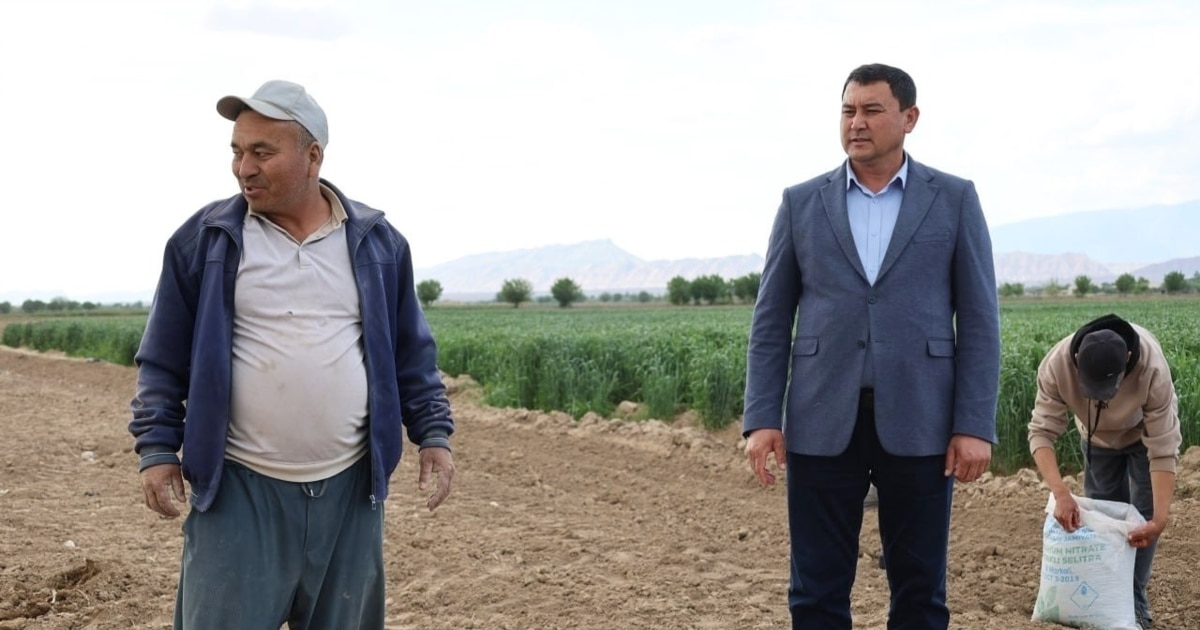
Uzbek District Governor Reprimanded After Audio Surfaces of Threats and Insults Toward Farmers
Abdulla Mamatkulov, the hokim of Muzrabat district in Surkhandarya region, received a formal reprimand after an audio recording emerged in which he threatens to jail farmers and uses insulting language while pressuring them to meet grain delivery targets. The Agency for Combating Corruption found breaches of civil service ethics, and the episode has amplified scrutiny of ongoing administrative pressure on farmers in Uzbekistan.
By Clémence Desjardins
936 views
A district governor in southern Uzbekistan has been issued a formal reprimand after an audio recording circulated in which he threatens and insults farmers while pressuring them to fulfill grain delivery obligations within hours. The Agency for Combating Corruption of Uzbekistan announced the disciplinary measure after concluding that the official violated rules of civil service ethics.
The recording, published by the Uzbek news outlet Kun.uz, was reportedly made on June 15 in the hokim’s official office. In the tape, the district governor of Muzrabat district in Surkhandarya region, Abdulla Mamatkulov, can be heard pressing farmers to meet quotas and issuing threats. One excerpt of the recording captures the official saying: “Почему не закрываешь? Если до 11 не закроешь, я тебя посажу… Эй, козлёнок, понял? Закрой! Даю тебе один час”. According to Kun.uz’s report, the meeting was intended to address obligations related to grain production and delivery, but much of the audio consists of the hokim’s extended monologue while farmers respond with only brief remarks.
Following publication of the recording, the hokimiyat (regional administration) of Surkhandarya launched an internal probe. Regional officials emphasized that relations between state bodies and farmers should be based on legality, mutual respect, human dignity and professional ethics. The Anti-Corruption Agency said its review identified violations of public service ethics and announced that Mamatkulov had been issued an official reprimand.
The incident has provoked broad public reaction and entered a wider debate about the position of farmers in Uzbekistan. Human rights groups have repeatedly documented continued pressure on agricultural producers, particularly in sectors historically subject to strict state control such as cotton and grain. In February, Human Rights Watch published a report asserting that many farmers still face coercion from officials and ongoing state oversight of agricultural production. That report highlighted complaints from farmers about threats of land seizure, delays in payments and dependence on local authorities’ decisions, and described instances of intimidation and insults directed at agricultural producers.
Human Rights Watch urged Uzbek authorities to ensure that farmers can freely defend their rights and to abandon administrative-pressure practices in the agricultural sector. The resurfacing of the Muzrabat recording underscores those calls by providing a concrete example of the kind of behavior rights advocates have warned about: a local official using threats and demeaning language to attempt to enforce production and delivery targets.
Abdulla Mamatkulov has served as hokim of Muzrabat district since May 2025. Prior to his appointment as district head, he led the enterprise “Сурхондарё сув таъминоти” (Surkhandarya water supply). The disciplinary reprimand represents an official rebuke but falls short of criminal charges or removal from office; it remains unclear whether further administrative or legal steps will follow as a result of the probe.
The episode is likely to intensify scrutiny of interactions between local officials and farmers, particularly as Uzbekistan continues to navigate agricultural reforms and public commitments to reduce coercive administrative practices. Observers say that effective protections for farmers will require not only formal statements about respectful governance from regional administrations, but also concrete changes in how production targets are enforced and grievances are handled. For now, rights groups are watching whether the anti-corruption agency’s finding will translate into systemic changes or remain an isolated disciplinary action.