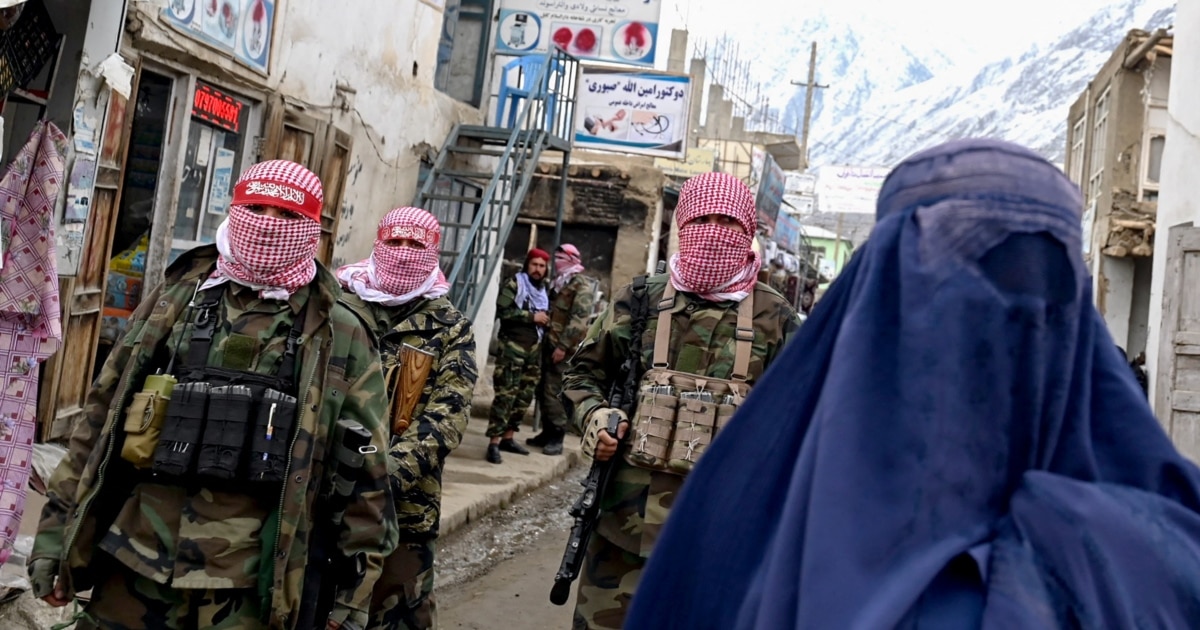
UNAMA: Women and girls in Afghanistan face sustained restrictions on education, work and dress; new report documents arrests and exclusion
A UNAMA quarterly report covering April–June 2026 finds continued, systemic restrictions on the rights of women and girls in Afghanistan, documenting incidents including the detention of at least 30 women in Herat for alleged hijab violations and the exclusion of women from a nationwide university entrance exam. The mission says these measures, enforced in part by the Taliban's morality police, have severe economic and social consequences and remain at odds with concerns raised by international human rights advocates.
By Christopher Manley
893 views
A United Nations mission in Afghanistan has documented fresh and troubling examples of rights restrictions affecting women and girls across the country, saying in a quarterly report that measures limiting education, work, dress and other freedoms remain in force. The United Nations Assistance Mission in Afghanistan (UNAMA) published its report covering the period from April through June 2026 on Tuesday (د زمري په ۶), saying its findings are based on monitoring by its human rights section and prepared in line with the mission mandate issued by the UN Security Council.
UNAMA’s report highlights a range of specific incidents it says amount to violations of fundamental rights. Among the cases recorded, the mission says that between 6 and 8 June, officials from the Taliban-run Department for the Promotion of Virtue and Prevention of Vice detained at least 30 women in Herat province on charges of failing to comply with the hijab rules imposed by the department. The report also points to ongoing enforcement visits by the same office to schools, where some female teachers were prevented from entering classrooms and warned they could be dismissed if their dress did not meet officials’ standards.
The report further documents limits on higher education. UNAMA notes that the national university entrance examination (konkur) administered during the reporting period was held for male candidates only: about 120,000 male applicants took the exam while no women or girls were included. The mission additionally referenced a recently issued "د زوجینو د بېلتون اصولنامې" (marriage separation principles) that, according to UNAMA, preserve a man’s unilateral right to divorce, a provision human rights monitors say raises additional concerns about women’s legal protections.
Rights activists and academics cited in the coverage describe a society in which women’s active participation in public life has been drastically curtailed. Manizheh Bahra, a university lecturer and human rights researcher, warned that preventing women’s participation across social and economic spheres has deep consequences: "په اوسنیو شرایطو کې د ښځو څو اساسي او مهم حقونه په ځنډول شوي حالت کې پاتې دي، له هغې ډلې د ښځو د زدهکړې، لوړو زدهکړو او کار حق، د ښځو د سیاسي مشارکت حق او د ښځو د اقتصادي فعالیتونو حق، هغه مهم موضوعات دي چې په اوس وخت کې تعلیق شوي دي."
Personal accounts recorded by Afghan media reinforce the report’s findings. One caller quoted her plight in stark terms: "په خدای قسم چې همدا اوس د خوړلو لپاره یوه مړۍ ډوډۍ هم نهلرو. زه خپله کونډه یم او شپږ واړه ماشومان لرم، څوک نهشته چې مرسته راسره وکړي. پخوا مې یو کار او کاروبار کولای شو، خو اوس هغه هم ممکن نهدی، نهپوهېږو څه وکړو." Such testimonies, UNAMA and local journalists say, reflect a pattern of economic marginalization that followed the Taliban’s return to power nearly five years ago.
Taliban authorities have repeatedly asserted that policies affecting women and girls are grounded in their reading of Islamic law; the UNAMA report emphasizes that international human rights organizations and activists view the measures differently and remain concerned about the scale and impact of restrictions. Journalist and rights activist Sara Rahmani expressed such frustration in blunt terms: "په افغانستان کې ښځې نن هېڅ حق نهلري. لیدل کېږي چې دغو محدودیتونو د افغانستان خلکو ته جدي زیان اړولی او پر ټولنې، هېواد، اقتصاد او د ژوند پر ټولو برخو یې اغېز کړی دی. په هېڅ وجه نهشي کېدای چې ښځه له افغانستانه حذف کړل شي. زه نهپوهېږم چې دوی (طالبان) د کومو حقونو او حقوقو خبره کوي."
UNAMA’s publication did not prompt an immediate public response from the Taliban government. The report and the stories it documents have nonetheless provoked renewed concern from international bodies and rights defenders, who stress that restrictions on girls’ education, women’s employment and freedom of movement carry grave consequences for Afghanistan’s social and economic future. Related public statements in recent weeks by other international organizations have underscored similar themes, calling attention to the need to protect and invest in girls’ education and warning that blanket curbs on women’s rights contradict broader values and imperil Afghan society.
The mission’s findings add to a steady stream of reporting from both inside and outside Afghanistan that human rights protections for women and girls remain severely constrained. For many Afghan women, activists say, the report confirms lived experience: a continuation of policies and enforcement practices that have deprived them of basic freedoms and curtailed their ability to support themselves and their families. As the international community weighs its response, Afghan women remain, UNAMA concludes, largely deprived of the fundamental rights sought by human rights conventions and repeatedly urged by global institutions.