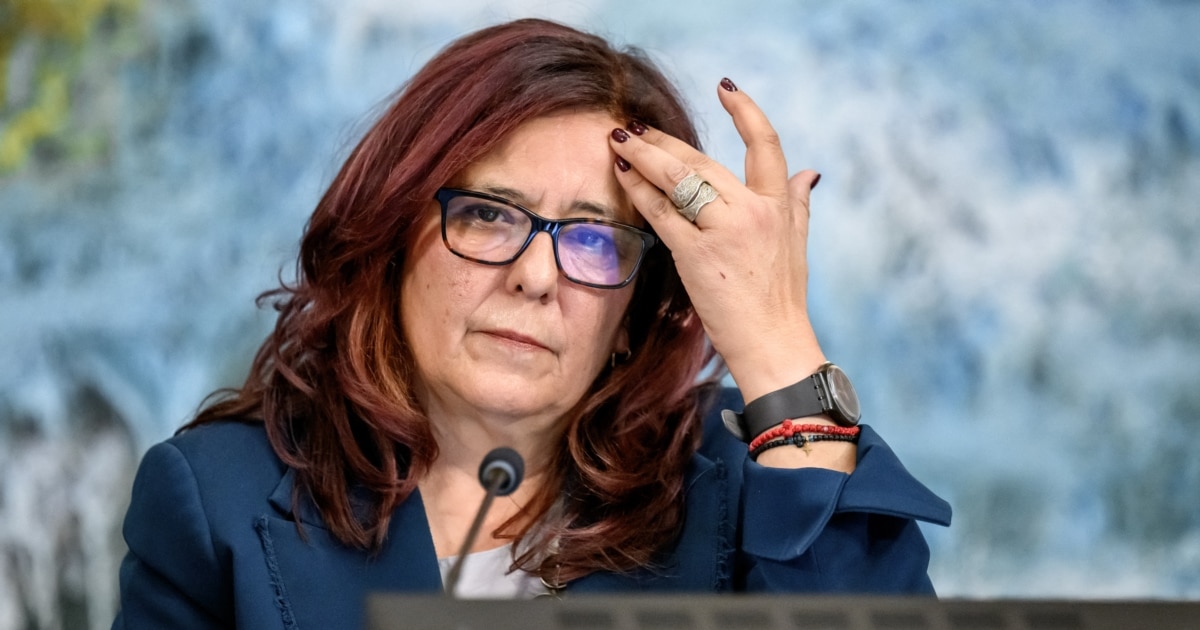
UN report documents systemic transnational repression targeting Chechen critics and diaspora linked to Kadyrov
A United Nations report by Marianna Kacarova warns that federal and Chechen authorities have been using a range of tools — from surveillance and agents abroad to misuse of Interpol and extradition requests — to intimidate, criminalise and silence critics of the Chechen leadership. The report cites individual cases in Kazakhstan, Bosnia and Herzegovina and recent rulings at the European Court of Human Rights as evidence of a continuing campaign of pressure against members of the Chechen diaspora.
By Christopher Manley
847 views
A United Nations report authored by Marianna Kacarova documents a sustained and systemic campaign of pressure and transnational repression directed at critics of Ramzan Kadyrov and at members of the Chechen diaspora. The report, summarised in media reporting, accuses both Chechen and federal Russian authorities of creating mechanisms to monitor, intimidate and silence dissent outside Russia’s borders.
Kacarova’s findings describe how the Kremlin and local Chechen structures have established networks of agents and services that reach into the diaspora. According to the report, these networks combine surveillance, coercion and legal instruments to deter or punish public criticism of Chechen authorities, to limit dissenting voices among Chechens abroad, and to shape the behaviour of community organisations and activists.
The report lists several categories of abuses reportedly used against critics: targeted prosecutions and criminal investigations, misuse of law-enforcement and judicial processes, alleged abductions and ill-treatment, threats and harassment, and the deployment of propaganda and mobilisation tactics to isolate opponents. Kacarova also highlights the misuse of international policing tools such as Interpol notices and extradition requests as part of an effort to pursue critics across borders.
Kacarova notes a marked increase in departures from Chechnya since 2022 and stresses that escape from the region did not necessarily end the risk of persecution. The report says that individuals who fled have continued to face criminalisation and administrative pressure, including through legal cases initiated in absentia, attempts to secure extradition, and diplomatic or prosecutorial requests directed at host countries.
The report cites a number of individual cases to underline its findings. It refers to the case of Mansura Movlaev, detained in Kazakhstan in connection with requests originating from Russian authorities; the report says prosecutors sought her transfer and that Movlaev has appealed to international bodies. It also highlights the situation of 57-year-old Zarema Musaev, whom the rights group Memorial describes as a political prisoner; the European Court of Human Rights issued a related ruling in 2024 addressing Russia’s handling of her case. In Bosnia and Herzegovina the report documents the case of Selimina Hadisova, who faced an Interpol notice linked to Russian requests and drew scrutiny from local authorities.
The UN rapporteur warns that these practices are not isolated incidents but form part of a broader pattern in which state and quasi-state actors seek to extend domestic repression beyond national borders. The tactics described — including pressure on community organisations, placement of agents within diaspora networks, administrative and legal harassment, and the internationalisation of prosecutions — have chilling effects on free expression, association and political activity among Chechens abroad.
Kacarova’s report underscores the responsibilities of host countries and international institutions to scrutinise extradition and Interpol requests, to provide protection to individuals at risk of politically motivated prosecution, and to investigate allegations of transnational repression. By documenting specific cases and systemic trends, the report adds to mounting international concern about the extraterritorial reach of persecution and the erosion of civil liberties for diaspora communities.
The findings come amid ongoing debate over accountability for human rights abuses linked to the Chechen leadership and about the role of Russian federal authorities in enabling or tolerating such actions. They are likely to increase pressure on international courts, human rights organisations and governments to respond decisively to alleged abuses and to strengthen safeguards against the cross-border use of law-enforcement tools for political purposes.
The UN report, as relayed in the media summary, calls for transparency, independent investigations and stronger protections for those who have fled persecution but remain vulnerable to intimidation, legal harassment and enforced returns. It also highlights the need for vigilance by states hosting Chechen diaspora communities to ensure that law-enforcement cooperation is not exploited to target political opponents or human rights defenders.