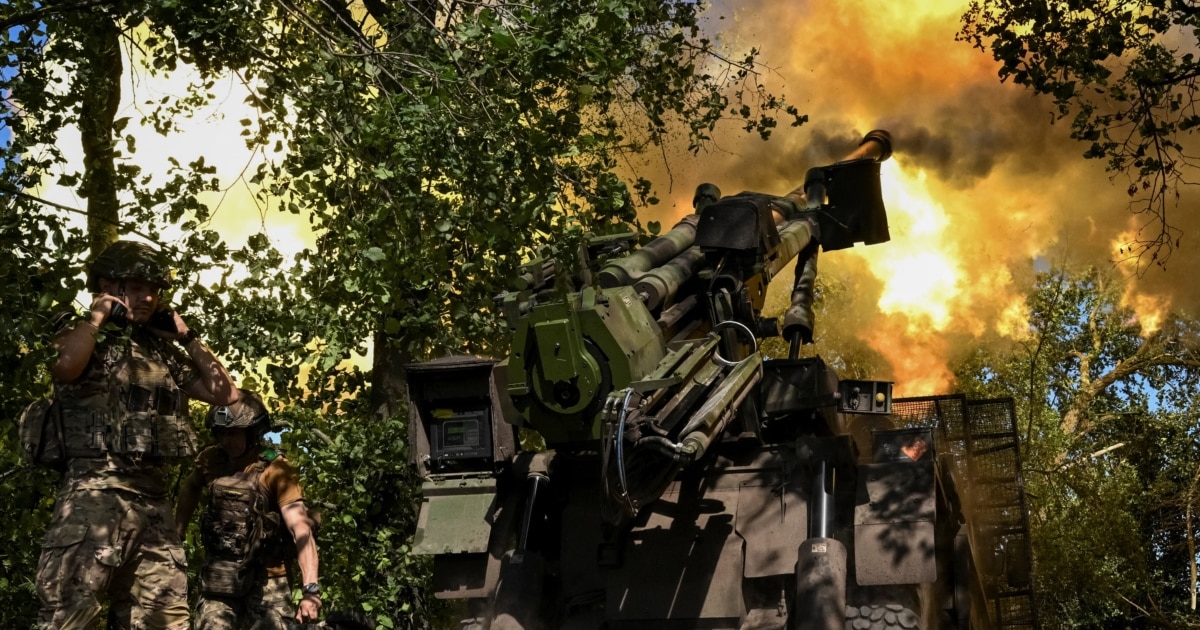
Ukrainian General Staff reports 207 clashes in 24 hours as heavy fighting centers on Pokrovsk and Kostiantynivka directions
Ukraine’s General Staff said its forces recorded 207 combat engagements over the previous day, with the most intensive Russian assaults on the Pokrovsk direction and continued heavy fighting near Kostiantynivka. Independent analysts at the Institute for the Study of War say Russian forces are sustaining offensive operations around Slovyansk but have not made confirmed territorial gains.
By Clémence Desjardins
829 views
Ukraine’s General Staff reported on its morning briefing that Ukrainian forces recorded 207 combat engagements across the frontline during the previous 24 hours, underscoring sustained fighting across multiple directions in Donetsk and neighbouring regions.
According to the General Staff, the greatest number of Russian assault attempts occurred on the Pokrovsk direction, where Ukrainian defenders say they repelled 30 enemy storming actions. The report named a string of populated places that saw fighting in this sector, including Kotlyne, Udachne, Novomykolaivka and movements aimed toward Novyi Donbas, Bilytske, Shevchenko, Vasylyivka, Svitlye, huliv (Gulivoe), Novopidhorodne and Novopavlivka.
Intense combat also continued on the Kostiantynivka direction, where the General Staff reported 20 attacks by Russian forces in the vicinity of Kostiantynivka, Illinivka, Rusynyi Yar, Shakhove and in approaches to Dovha Balka, Novyi Shakhove, Pavlivka, Vilne and Kucheriv Yar. Ukrainian officials have repeatedly warned of the strategic risk if Kostiantynivka were to fall, given its position in the southern part of the so-called defensive “fortress belt” around the Slovyansk–Kramatorsk agglomeration.
Other sectors with notable combat included the Sloviansk direction, where the report listed 17 assaults in areas such as Riznykivka, Zakitne, Kryva Luka and towards Pyskunivka and Rai-Oleksandrivka; the Huliaipole direction, with 15 attacks toward Vozdvyzhivka, Dobropillia, Hirka, Charivne, Novoselivka and Staroukrainka; as well as ongoing engagements across the Pivnichno-Slobozhanskyi and Kurskyi, Pivdenno-Slobozhanskyi, Kupianskyi, Lyman, Kramatorskyi and Orikhiv directions.
The General Staff figures were echoed by independent monitoring. The Washington-based Institute for the Study of War (ISW) reported that in early August Russian forces continued offensive operations on the Slovyansk axis but had not achieved confirmed territorial gains, with Ukrainian forces mounting counterattacks in the area. ISW also noted that Ukrainian strikes have targeted drone-command-and-control sites in the Russian rear south of Kostiantynivka, likely intended to limit Moscow’s ability to strike Ukrainian logistics and supply routes.
In a report published overnight on July 30, ISW warned that the situation in and around Kostiantynivka in Donetsk Oblast was deteriorating, while adding that Russian forces had not captured the city despite their public claims. Analysts have previously outlined the broader operational implications: Kostiantynivka is among the southernmost towns of the Slovyansk–Kramatorsk defensive belt, and its loss could undermine Ukraine’s ability to hold the chain of cities connected by the H-20 highway, complicating both military defence and civilian protection in the region.
The General Staff’s update did not provide casualty figures or detail impacts on the civilian population in the localities listed. The intensity and geographical spread of the reported engagements underscore continuing risks to frontline communities and critical logistics lines that sustain Ukrainian defence efforts. Observers say continued strikes on command-and-control and logistics nodes suggest both sides are attempting to shape battlefield conditions ahead of further offensive or defensive operations.
The fighting reported by Kyiv’s military leadership and the independent assessments from ISW highlight the operational focus of Russian forces on multiple axes and the corresponding Ukrainian efforts to disrupt those operations. The developments carry wider implications for civilian safety, humanitarian access and the stability of front-line defences in eastern Ukraine.