Ukrainian Air Force: Over 200 Russian Drones Launched Overnight; 172 Shot Down as Attacks Hit Kharkiv and Odesa Regions
Ukrainian military authorities reported that Russian forces launched 205 unmanned aerial vehicles against Ukraine overnight into October 5, of which 172 were intercepted. The strikes damaged residential, administrative and industrial sites in Kharkiv and Odesa regions, killing at least one person and wounding several others, local officials said.
By Alexander Walter
1,022 views
Ukrainian Air Force authorities reported that Russian forces launched 205 unmanned aerial vehicles (UAVs) against Ukrainian territory overnight into October 5, of which 172 were shot down, according to the Air Forces of the Armed Forces of Ukraine. The barrage of drones struck multiple regions, including populated districts and industrial sites, prompting emergency response operations and reports of civilian casualties.
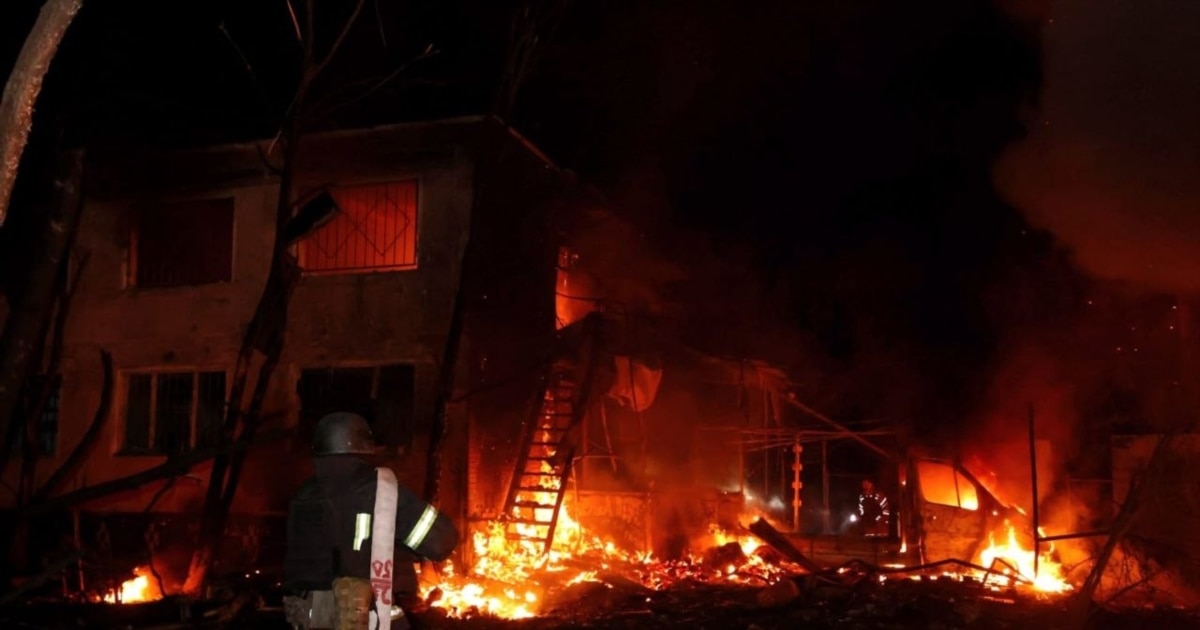
In Kharkiv, rescuers continued work at the scene after Russian drones struck residential buildings late on Sunday evening, the city’s mayor Ihor Terekhov said. Local authorities reported that the attack resulted in at least one death and left no fewer than eight people injured. The State Emergency Service of Ukraine (SES) said the strike hit the Industrialnyi district of the city, igniting fires in a two-story administrative building and several vehicles, and causing damage to residential and administrative-production structures.
Emergency teams in Kharkiv remained engaged in extinguishing fires and conducting search and rescue operations following the overnight strikes. The SES statement noted damage to both public and private infrastructure, and municipal services were mobilized to assess and address immediate humanitarian and safety needs for affected residents.
The night’s drone attacks also affected Odesa region, where local authorities reported strikes against industrial and port infrastructure as well as the dacha (summer home) sector. Large fires broke out at several locations, prompting a deployment of specialized emergency teams. Oleh Kiper, head of the Odesa regional administration, said that due to heavy smoke, SES specialists in radiation, chemical and biological protection carried out inspections of the affected territory. Measurement results reportedly detected no hazardous substances. Authorities in Odesa said there were no casualties from the strikes there.
The Ukrainian military’s tally of drones launched and intercepted underscores the scale of the attack and highlights the continuing use of unmanned systems in the conflict. While the Air Force report emphasized the high proportion of UAVs downed, the strikes nonetheless inflicted material damage and human harm where they hit populated and industrial areas, raising further concerns about civilian protection and infrastructure resilience.
Local leaders and emergency services have been documenting damage and casualties while continuing immediate response efforts. Officials have not provided a wider national damage assessment at this stage, and rescue operations in affected neighborhoods were ongoing. The strikes on port and industrial facilities in Odesa region may have broader implications for logistics and civilian economic activity in the area, though authorities have not announced long-term damage estimates.
Attacks on residential neighbourhoods and civilian infrastructure carry acute humanitarian consequences and raise questions under international humanitarian law about the protection of civilians in armed conflict. Ukrainian officials and emergency responders are responsible for managing the immediate humanitarian fallout, including medical treatment for the injured, restoring safety to damaged areas, and assessing environmental risks from fires at industrial sites. The events overnight into October 5 add to a pattern of periodic cross-border strikes that continue to endanger civilians and civilian infrastructure in Ukraine.