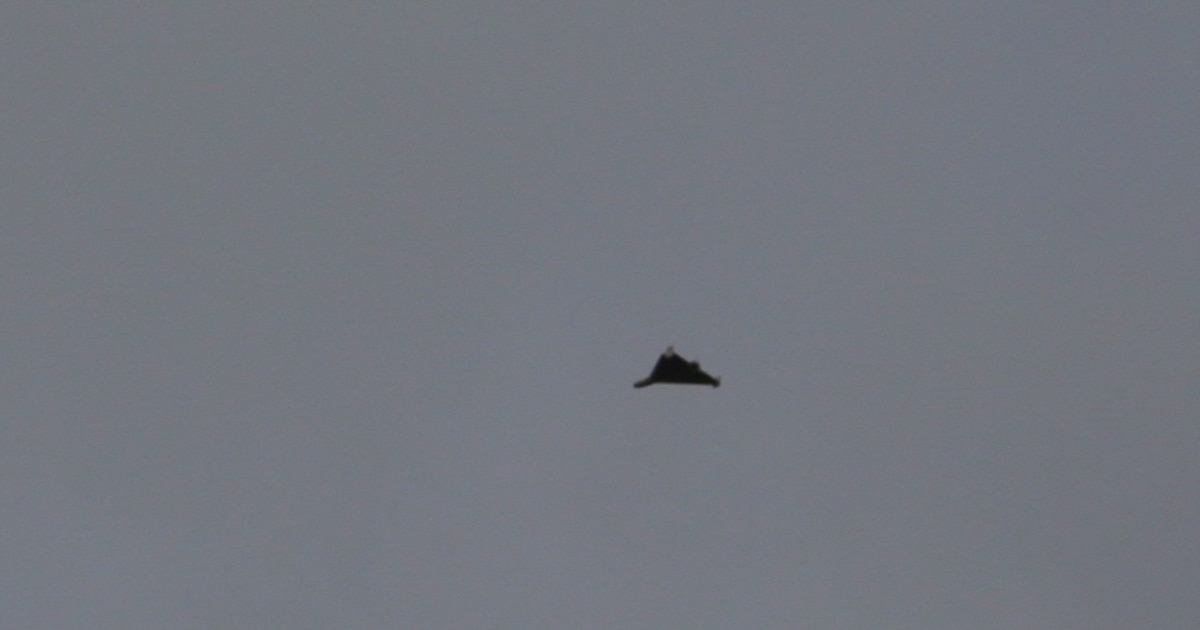
Ukraine's Air Force: Night attack by Russia involved two Iskander-M missiles and 132 strike drones; 114 drones shot down or suppressed
Ukrainian military officials said Russian forces launched two Iskander-M ballistic missiles and around 132 strike unmanned aerial vehicles in an overnight assault on June 16. Air defences had shot down or suppressed 114 drones by 08:30 local time, while recorded hits from missiles and 16 strike drones occurred at nine locations; the Air Force warned the attack was still in progress.
By Vanessa Bergmann
1,154 views
Ukraine’s Air Force reported that Russian forces conducted a large overnight attack on the country in the hours leading into June 16, employing two Iskander-M ballistic missiles and approximately 132 strike unmanned aerial vehicles. The command said air-defence units were active across multiple regions and provided preliminary tallies of interceptions and impacts early on the morning of June 16.
In an official statement quoted in Ukrainian, the Air Force said: "За попередніми даними, станом на 08:30, протиповітряною обороною збито/подавлено 114 ворожих БпЛА типу Shahed, «Гербера», «Італмас» і дрони інших типів на півночі, півдні та сході країни." That statement conveys that, as of 08:30 local time, air-defence forces had shot down or suppressed 114 enemy UAVs of types including Shahed, Gerbera, Italmas and other models across Ukraine’s northern, southern and eastern regions.
The military also reported that strikes — including impacts by the two ballistic missiles and 16 strike drones — were recorded at nine separate locations, and that fragments or debris fell at eight additional locations. The Air Force warned the attack was ongoing and said Russian UAVs were still present in Ukrainian airspace, indicating continued threat to populated areas and infrastructure.
Russian forces have repeatedly used a mix of weaponry — including strike drones, ballistic and cruise missiles, guided aerial bombs and multiple-launch rocket systems — to strike Ukrainian cities and civilian infrastructure across the country. Ukrainian authorities and international organisations have consistently characterised many of these strikes as war crimes, arguing that they are deliberate and target civilian systems and noncombatants.
Legal experts, genocide researchers and human-rights defenders cited in the report argue that attacks against life-support systems and healthcare facilities can amount to elements of genocidal action when intended to deprive a civilian population of essential means of survival. The article lists a range of patterns and actions identified by such experts as indicative of genocidal intent, including public declarations or rhetoric denying the existence of Ukrainians as a nationality and urging their destruction; deliberate targeting of electricity, heating, water, communications and medical services to deprive people of necessities; persecution and killings in occupied territories of those with pro-Ukrainian views; targeting of the intelligentsia and cultural bearers; attempts in occupied schools to change children’s identities; deportation of children to Russia; and systematic removal or destruction of Ukrainian books and cultural artefacts.
The article notes the historical and legal framework for such claims: the Convention on the Prevention and Punishment of the Crime of Genocide was adopted by the UN General Assembly in 1948 and has 149 state parties. The Convention obliges states to prevent and punish acts of genocide in war and in peace and defines genocide as acts committed with intent to destroy, in whole or in part, a national, ethnical, racial or religious group. Typical acts identified under the Convention and cited in the report include killing members of a group; causing them serious bodily or mental harm; deliberately inflicting conditions of life calculated to bring about a group's physical destruction; imposing measures to prevent births; forcibly transferring children; and public incitement to commit such acts.
Russian leadership has officially denied that the Russian military carries out deliberate strikes on civilian infrastructure, hospitals, schools, energy and water facilities, or that it targets civilians with intent. Nevertheless, the recurring scale and nature of the assaults have prompted renewed calls from Ukrainian and international bodies for documentation, investigation and accountability. For now, the Ukrainian Air Force’s early-morning report underscores that the attack on June 16 involved a significant drone and missile salvo, that air defences intercepted the majority of drones counted in their preliminary assessment, and that the risk to civilians and critical services remains while Russian UAVs and munitions continue to operate over Ukrainian territory.