Uber Co-Founder Travis Kalanick Moves to Texas Weeks Before Proposed California Wealth Tax Deadline
Travis Kalanick, the billionaire co-founder of Uber, said he moved to Austin, Texas, on Dec. 18 — just days before a proposed California ballot measure would treat Jan. 1, 2026, residency as the cutoff for a one-time wealth tax on billionaires. The proposal, backed by SEIU-UHW, would impose a 5% levy on net worth above $1 billion, with payments due in 2027 and the option to spread payments over five years.
By Mike LaChance
858 views
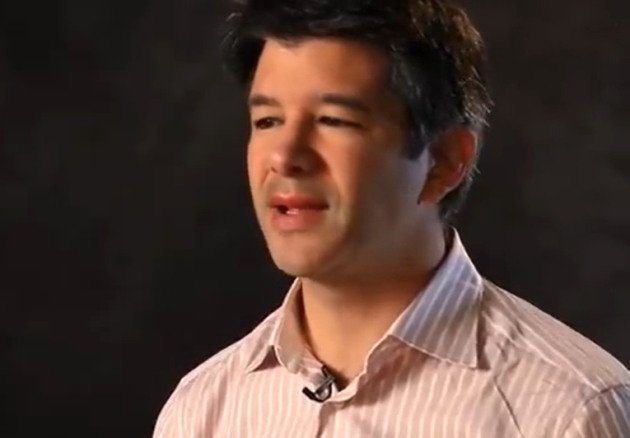
Travis Kalanick, the billionaire co-founder of ride-hailing company Uber, has confirmed he relocated from California to Austin, Texas, on Dec. 18, a move he acknowledged occurred shortly before a proposed state wealth tax would apply retroactively to residents as of Jan. 1, 2026. In an interview with TPBN, Kalanick said: “Just to be clear, on December 18, I moved to Texas. I don’t know what’s so specific about December 18, but let’s just say it’s prior to January.”
Kalanick’s relocation adds a prominent example to a broader narrative about wealthy residents leaving California for states with lower tax burdens. He also made light of migration patterns among other affluent individuals, saying, “I get a little bit [of] FOMO on like, these people going to Florida. I’m like, dude! Why so much Florida action?” he continued. “Come on, homies.”
The timing of Kalanick’s move has drawn attention because of a proposed ballot measure that, if approved by voters, would impose a one-time 5% tax on the net worth of California residents whose wealth exceeds $1 billion. The proposal is backed by the Service Employees International Union–United Healthcare Workers West (SEIU-UHW). According to the California Legislative Analyst’s Office, the tax would be due in 2027, and taxpayers could choose to spread payments over five years, subject to additional fees.
Although the measure has not yet qualified for the November ballot, its language specifies that anyone who was a California resident on Jan. 1, 2026, would be subject to the tax. Using Forbes’ net-worth estimates cited in media coverage, Kalanick’s fortune has been placed at roughly $3.6 billion; a 5% levy on that amount would be approximately $180 million. Those calculations are based on publicly available wealth estimates and the proposed tax rate.
Observers and commentators have framed Kalanick’s move as part of a wider trend in which wealthy individuals and business leaders leave California for states perceived as more hospitable to high-net-worth residents. Governors and state officials in destination states, including Texas and Florida, have publicly courted such relocations, citing economic growth and job creation. The Gateway Pundit article that first reported Kalanick’s move tied the development to political consequences for California leaders, noting that the exodus could become an issue for Governor Gavin Newsom ahead of any future national ambitions.
Supporters of the proposed wealth tax argue it would raise substantial revenue from a small group of very wealthy residents and could be used to fund public services. Critics counter that the levy risks accelerating out-migration among high-net-worth individuals, potentially eroding the state’s tax base and harming job creation. The debate over the measure’s merits and potential economic effects has intensified as high-profile moves like Kalanick’s draw attention to the practical implications of retroactive residency rules.
At present, the wealth tax proposal remains a subject of political and legal debate as organizers continue efforts to qualify it for the ballot. If it reaches voters and is approved, state officials and taxpayers would need to interpret the residency provisions and payment schedules laid out in the measure. For now, Kalanick’s move underscores how tax policy, ballot initiatives and personal residency decisions can intersect, and it is likely to feature in ongoing discussions about California’s fiscal policy, population trends and economic competitiveness.