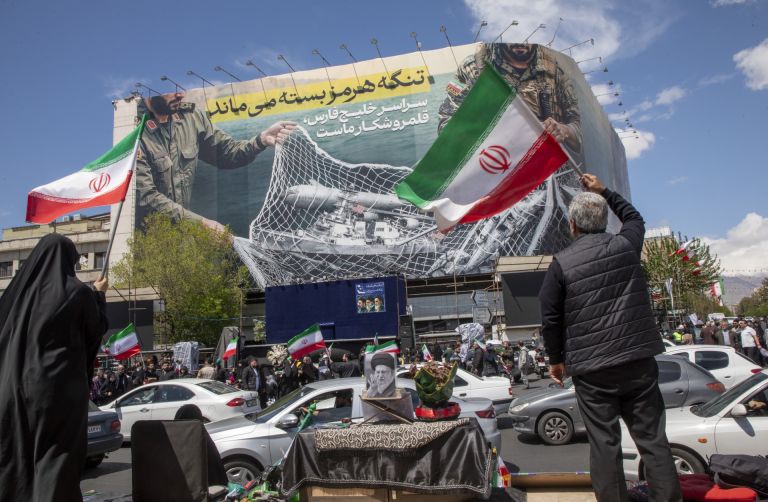
U.S. and Iran Agree to Two-Week Ceasefire; Islamabad Talks to Follow as Analysts Warn of Major Obstacles
On April 7, President Donald Trump announced a two-week ceasefire with Iran after a Pakistan-brokered proposal, conditioned on the immediate reopening of the Strait of Hormuz. Iran accepted the pause and agreed to ensure safe passage during the truce; negotiations are slated to begin in Islamabad on April 10, but analysts caution that significant stumbling blocks remain and failed talks could lead to rapid escalation and targeted strikes on regional infrastructure.
By Alexander Walter
956 views
A fragile two-week ceasefire between the United States and Iran took effect after a Pakistan-brokered proposal prompted U.S. President Donald Trump to delay planned strikes and announce a temporary pause in hostilities on April 7. The agreement is contingent on the full and immediate reopening of the Strait of Hormuz, a strategic chokepoint for global maritime traffic. Iranian Foreign Minister Abbas Araghchi confirmed Tehran's acceptance of the truce and said Iran would ensure safe passage through the strait during the ceasefire.
The pause was announced just hours before what had been described as a deadline for large-scale U.S. strikes targeting Iranian power plants and additional civilian infrastructure. President Trump said those planned strikes would be delayed by two weeks, creating a window intended to allow for negotiations aimed at a broader settlement between Washington and Tehran.
U.S.-Iran talks are expected to begin in Islamabad on April 10, according to the announcement. Pakistan served as the intermediary that brokered the temporary halt, facilitating an opening for both sides to pursue diplomatic engagement. The scheduling of talks in Islamabad underscores Pakistan’s role as a regional interlocutor and reflects a diplomatic route chosen to de-escalate a confrontation that had raised the prospect of wider conflict.
Despite the short-term reprieve, analysts and observers stressed that major stumbling blocks remain in place that will complicate efforts to reach a durable agreement. The ceasefire is limited in scope and duration, and it hinges on immediate, verifiable actions — most notably the reopening of the Strait of Hormuz — as well as on the willingness of both parties to negotiate in good faith and address underlying strategic and political disputes.
If the upcoming negotiations fail to resolve those differences, analysts warn that hostilities could rapidly escalate. One specific risk highlighted is the potential for systematic strikes on critical infrastructure across the region, a form of escalation that could target energy, transportation, and other civilian systems. The prospect of such strikes raises concerns about humanitarian impact, regional stability, and the potential for wider international economic disruption.
The Strait of Hormuz itself figures centrally in the dispute. As a primary conduit for global oil shipments, any interruption of traffic through the strait has immediate implications for international energy markets and for countries that depend on maritime transit through that channel. The ceasefire’s condition that the strait be fully and immediately reopened is therefore both a practical demand and a symbolic test of Iran’s readiness to step back from coercive measures affecting global trade.
The two-week window will be closely watched by regional governments, global markets, and international organizations. Success would depend on negotiators in Islamabad making tangible progress on reconciling the strategic aims and security concerns of both Washington and Tehran. Failure, by contrast, could remove the immediate restraint on military action and set the stage for a further intensification of conflict with broad regional repercussions.
For now, the ceasefire provides a temporary halt to immediate escalation, but it leaves unresolved questions about longer-term outcomes. The coming days of negotiation will determine whether the pause can be transformed into a more stable accord or whether the standstill will collapse, returning the region to heightened confrontation and the risk of deliberate strikes on infrastructure that could have far-reaching consequences.