U.S. Adviser Accuses China of 'Industrial Scale' AI Theft; Inventor Signals Trade Remedies Could Halt Imports
White House science adviser Michael Kratsios has accused China of “ industrial scale ” theft of American artificial-intelligence technology, and an American inventor says statutory trade tools could be deployed to block imports produced with patent-infringing methods. The inventor, Gil Hyatt, also describes decades of development, patent delays, and plans to assign his patents to a nonprofit intended to protect U.S. industry.
By Vanessa Bergmann
1,184 views
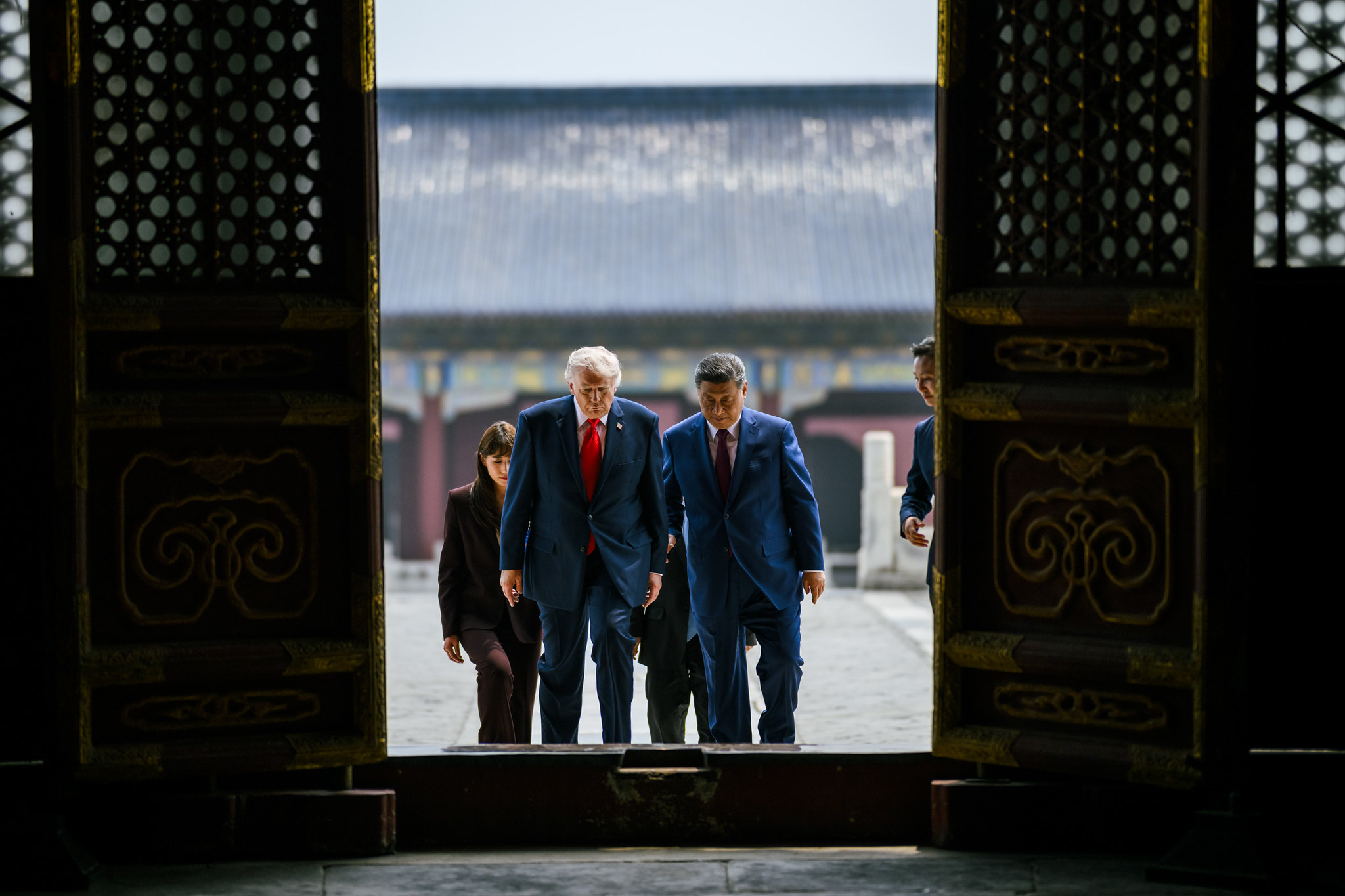
White House science adviser Michael Kratsios has accused China of “ industrial scale ” theft of U.S. artificial-intelligence technology, saying in an April 23 memorandum: “There is nothing innovative about systematically extracting and copying the innovations of American industry, and there is nothing open about supposedly open models that are derived from acts of malicious exploitation.” The allegation came amid high-level diplomacy between President Donald J. Trump and Chinese leader Xi Jinping, when broader economic and technological competition remained a focus behind the scenes.
Gil Hyatt, a Las Vegas-based engineer, scientist and inventor, wrote that China may have gained short-term advantages by using unauthorized American AI expertise in manufacturing, but warned those gains could carry serious legal and economic consequences. Hyatt points to U.S. statutory remedies enacted in 1988 — codified in 35 U.S.C. § 271(g) and § 295 — that he says were explicitly designed to address disputes in which foreign manufacturers use patented American production methods without permission when making goods for export to the United States.
Under those statutes, Hyatt noted, the U.S. International Trade Commission has authority to block imports produced by patent-infringing processes. The ITC can issue a General Exclusion Order to prohibit entire categories of imported products that are found to have been made using protected American methods, rather than simply imposing tariffs. Hyatt argues exclusion orders are a far stronger remedy than tariffs, because they “stop imported products cold — right at the border,” whereas tariffs merely raise prices.
The inventor also invoked the U.S. Supreme Court’s Feb. 20 decision in Learning Resources v. Trump, arguing that the ruling underscores Congress’s constitutional authority over trade restrictions. According to Hyatt, the court decision confirmed that the power to restrict trade relies on acts of Congress — including statutory remedies such as patent-based exclusion — rather than unilateral executive tariffs. That legal framework, he said, provides a durable negotiating posture for U.S. policymakers confronting the issue of unauthorized foreign use of American innovation.
Hyatt further pointed to public reporting on China’s rapid adoption of intelligent manufacturing. He quoted Xinhua News Agency reporting that “China has built over 30,000 basic-level smart factories as part of a nationwide push to accelerate industrial digitalization and intelligent upgrading,” listing activities such as “smart warehousing, AI-powered quality inspections, and digital research and development.” Hyatt argued those are the kinds of facilities that could fall within the scope of the 1988 statutes and ITC scrutiny if they employ patented U.S. processes without authorization.
Beyond the policy argument, Hyatt described his own experience as a developer of AI-based manufacturing technology with patent claims dating back to 1984. He blamed long delays at the U.S. Patent and Trademark Office for allowing “widespread, unauthorized foreign use of technology that should have received full patent protection ages ago,” a factor he suggested left American inventions vulnerable.
Hyatt said he has spent nearly 40 years and tens of millions of dollars developing his work, but that his motivations are not commercial. He announced plans to form a nonprofit, the Pioneering AI Foundation, with the intention of assigning his AI patents to the organization as “a gift to America on its 250th birthday.” He said the foundation would aim to protect American workers and companies from unfair foreign competition and to develop AI capabilities for public benefit, including early learning and education initiatives designed to strengthen future generations.
The claims and proposals advance a legal and policy pathway for addressing alleged Chinese appropriation of U.S. AI technology, but they also reflect the complexity of enforcing intellectual property rights across borders. The potential use of ITC exclusion orders and patent law to curtail imports raises questions for U.S.-China trade relations and for American manufacturers and consumers who could be affected by import restrictions. Hyatt framed his effort as patriotic and philanthropic, concluding his public statement with the words: "God bless America , land that I love."