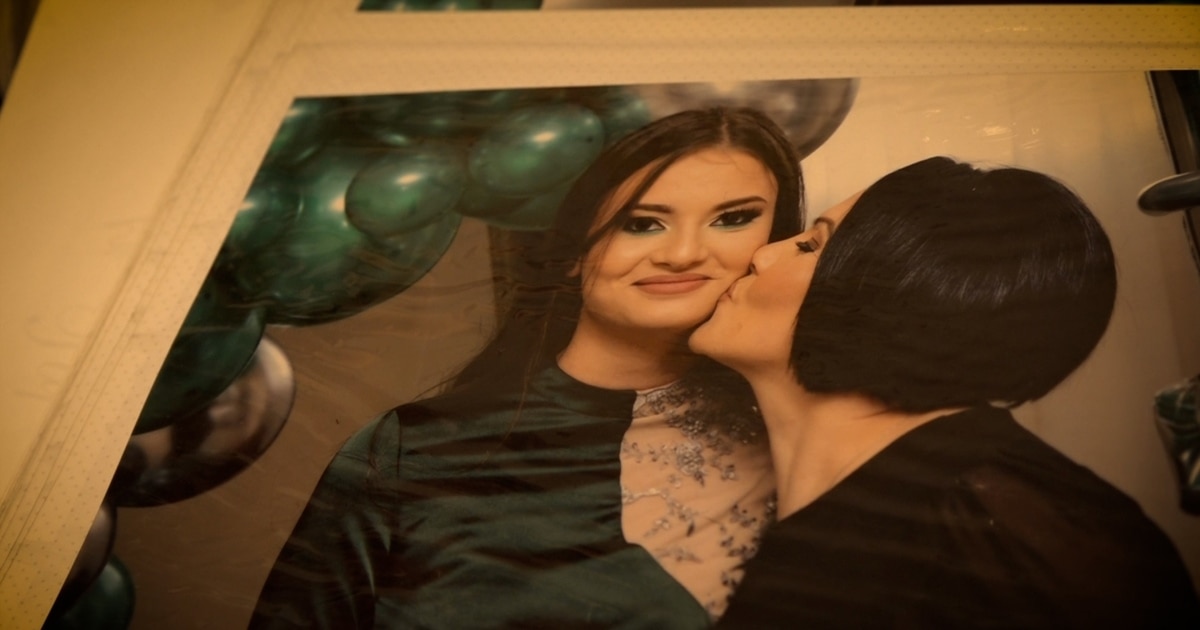
Two Years After Novi Sad Station Canopy Collapse, Family of Victim Says They Still Seek Accountability
On November 1, 2024, 20-year-old Andjela Ruman arrived by train at Novi Sad station and died when the station's canopy collapsed, alongside her boyfriend. Two years later her parents, Zorica and Zlatko Ruman, told Radio Free Europe/Radio Liberty they continue to grieve and are still waiting for someone to be held responsible for the deaths.
By Christopher Manley
1,141 views
On November 1, 2024, 20-year-old Andjela Ruman arrived by train at the railway station in Novi Sad where her boyfriend, Milos Milosavljevic, was waiting to meet her. Both young people were killed when the station's canopy collapsed. The accident stunned local communities and raised urgent questions about the safety of public infrastructure. Two years after the tragedy, Andjela’s parents, Zorica and Zlatko Ruman, spoke to Radio Free Europe/Radio Liberty about their ongoing grief and their search for accountability.
In the interview with RFE/RL, Zorica and Zlatko described how the grief of losing their daughter has persisted and, they said, intensified as months passed without what they consider a satisfactory response from responsible institutions. They said the family is still waiting for someone to be held accountable for what happened at the station. The couple’s remarks reflect a common concern among victims’ families in the aftermath of fatal accidents: that legal, administrative, or political processes do not move quickly enough, or conclusively enough, to deliver closure.
The collapse at Novi Sad station killed Andjela and Milos at the scene; images and reports at the time conveyed the suddenness and severity of the incident. In the intervening two years, the Ruman family’s focus, according to their interview, has been not only on personal mourning but also on pressing for clarity about the causes of the collapse and on seeking assurance that responsible parties will be identified and held to account.
The family’s demand for answers touches on broader issues of public safety, oversight, and institutional responsibility. When tragic infrastructure failures occur, affected families and civil-society advocates often call on authorities to conduct transparent investigations, to publish findings, and to pursue legal or administrative action if negligence or regulatory failures are identified. The Ruman family’s remarks underline how unresolved questions about responsibility can compound the pain of loss and undermine public confidence in oversight mechanisms.
RFE/RL’s report did not detail any ongoing prosecutions, verdicts, or formal dispositions related to the Novi Sad canopy collapse. The Rumans’ account in the interview emphasized a personal plea: they want accountability and, implicitly, assurances that steps will be taken to prevent similar tragedies. With anniversaries of such incidents often prompting renewed calls for action, families like the Rumans’ continue to serve as persistent reminders of the human cost of infrastructure failures.
The case has local resonance in Novi Sad and contributes to national discourse about maintenance, construction standards, and the enforcement of safety regulations in public spaces. For the Ruman family, however, the matter remains deeply personal. Two years on, their days remain shaped by loss. They told RFE/RL that each day is harder, and that the absence of clear accountability has prolonged their suffering and complicated efforts at closure.
As the Rumans and other relatives of victims mark anniversaries and continue to seek answers, their appeals may prompt renewed scrutiny by officials, civil-society groups, or the courts. For now, the family continues to press for responsibility to be established and for measures to be taken to prevent further loss of life in public places. Their story is a reminder of the continuing human consequences of infrastructure failures and the central role of transparent, effective accountability in addressing them.