Two Men Convicted in Baymak Case Freed After Serving Sentences, Activists Say
Two men convicted in the "Baymak case" were released from a Perm penal colony at the end of July after serving their sentences, activists and Idel.Realii report. The releases come amid a larger wave of departures from colonies by people convicted over protests outside a Baymak court, though most of those convicted left custody through early releases or sentence substitutions.
By Blake Marriott
935 views
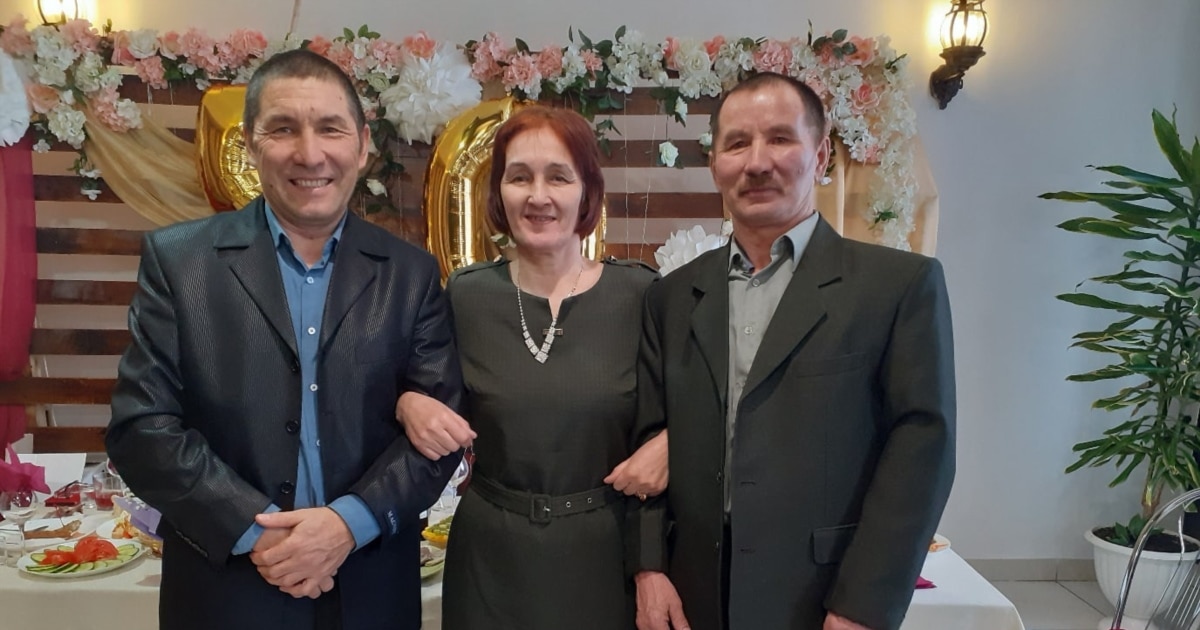
Two men convicted as part of what has been called the "Baymak case" — Газизьян Хәйбуллин and Кабир Сөярголов — were released from a Perm penal colony at the end of July after completing their prison terms, rights activists in Bashkortostan and the regional outlet Idel.Realii reported.
According to local activists, Газизьян Хәйбуллин, 60, has returned home. Activists wrote: "Ул өендә, — дип Хәйбуллин турында Башкортстан активистлары язган. — Җәза мөддәте тәмамланган, ахырга кадәр утырган булып чыга". Idel.Realii also confirmed that 59-year-old Кабир Сөярголов left the colony at the end of July and returned to Baymak, where he had lived before his arrest. Sources who spoke with the outlet said Sөярголов spent his entire prison term in a hospital after being stricken with pneumonia while in custody.
Both men had been convicted on October 21, 2025, by judge Наталья Ерёмина of the Avtozavod district court in Tolyatti. The court found them guilty of "Киңкүләм тәртипсезлекләрдә катнашу" and "Хакимият вәкиленә тормыш һәм сәламәтлек өчен куркыныч булмаган көч куллану" and sentenced each to three and a half years in a general-regime penal colony.
Idel.Realii calculated that by early August at least 27 people convicted in the "Baymak case" had already left colonies. The outlet and activists said that of those, only Хәйбуллин and Сөярголов had served their full terms; the remainder were released early by court order, had their sentences converted to forced labor or restrictions on freedom, or otherwise left custody before completing original prison terms.
The convictions and arrests stem from large-scale protests that followed the detention and court hearing of Bashkort activist and former head of the Bashkort organization Фаил Алсынов. On January 17, 2024, a Baymak court found Алсынов guilty of "нәфрәт һәм дошманлык уяту" and sentenced him to four years in a penal colony. The hearing drew thousands of supporters — estimates at the time ranged between 5,000 and 10,000 people — who gathered in Baymak to back Алсынов. Authorities deployed OMON riot police to disperse demonstrators; dozens were detained and some protesters said OMON pushed crowds back with shields and used other crowd-control tactics.
Following protests outside the Baymak courthouse, the Bashkortstan interior ministry opened criminal cases alleging "киңкүләм тәртипсезлекләр оештыру һәм аларда катнашу" and use of force against authorities. Approximately 80 people were detained and held in pretrial custody in Ufa. The first high-profile trial that followed saw Илшат Ульябаев convicted; on July 17, 2024, a district court in Orsk sentenced him to five years in a general-regime colony.
Human rights activists and regional media have framed the prosecutions as part of a broader crackdown on dissent in Bashkortostan, where protests linked to environmental and cultural disputes have frequently met with heavy-handed responses from law enforcement. The recent releases highlight divergent outcomes among those convicted in the same case: some have served full terms, others were granted conditional or early release, and some had sentences converted to non-custodial measures.
The accounts of Хәйбуллин and Сөярголов’s departures come via local activists and Idel.Realii. There has been no public statement from the Bashkortstan interior ministry or the penal colony administration reported alongside those confirmations. The developments will likely be monitored by rights groups tracking the wider legal fallout from the Baymak protests and the state's handling of mass demonstrations and the individuals prosecuted in connection to them.
Azatlyk/Radio Liberty’s material and reporting informed this article. The available public reporting documents a sequence of arrests, trials and varying post-conviction outcomes that continue to shape debates about civil liberties, due process and the treatment of protesters and activists in the region.