Two killed and five wounded in Russian strike on Odesa, regional governor says
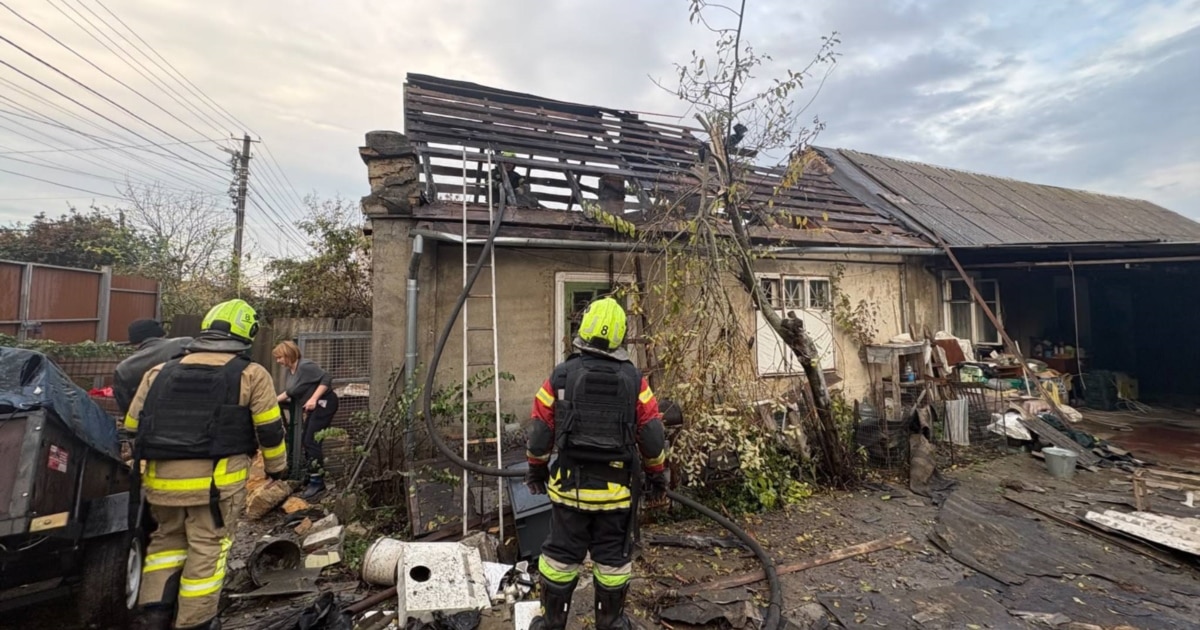
Two people were killed and five others injured after a Russian strike hit Odesa on 13 November, Odesa regional governor Oleg Kiper said. Authorities said rescue teams are working at the scene; the Ukrainian Air Forces reported Russia launched dozens of drones in a wider attack on Ukraine the same day.
By Clémence Desjardins
1,161 views
Two people were killed and five others wounded when Russian forces struck Odesa on 13 November, the head of the Odesa regional military administration, Oleg Kiper, said on Telegram. The wounded were taken to hospital, and authorities said two of the injured were in serious condition.
Kiper said the strike damaged private residential houses and passenger cars. “Rescuers and all appropriate services are working at the site. The elimination of the consequences of the attack is ongoing,” he wrote, reporting that emergency teams remained at the scene to search for survivors and secure the area.
The incident came amid a larger wave of attacks across Ukraine. The Ukrainian Air Forces reported that Russian forces launched an assault involving 117 drones on 13 November, with impacts recorded at 24 locations. Ukrainian officials have repeatedly said Russia employs a range of weapons — including strike unmanned aerial vehicles (UAVs), missiles, guided aerial bombs and multiple-launch rocket systems — in attacks on cities and civilian infrastructure.
Local authorities said the victims in Odesa were civilians and that residential areas bore damage from the strike. The toll and material damage underscored a broader pattern of attacks that Ukrainian officials and international organizations have condemned as deliberate strikes on civilian targets.
The Russian government denies that its military deliberately targets civilian infrastructure and has rejected accusations that its forces conduct intentional attacks on hospitals, schools, energy and water systems. Ukrainian authorities, human rights groups and other international bodies have characterized many of the strikes as possible war crimes, saying they often hit essential services and civilian facilities and lead to deaths and widespread destruction.
Legal experts, researchers on genocide and human rights defenders have warned that attacks on systems of life support and healthcare facilities — when carried out to deprive a population of electricity, heat, water, communications and medical care — can amount to acts consistent with elements of genocide under international law. Their analyses point to a range of behaviors observed during the war, including public calls that deny the existence of Ukrainians as a people, forcible transfers of children from occupied areas, suppression of Ukrainian culture, and targeted attacks on essential civilian infrastructure.
The 1948 Genocide Convention, ratified by 149 states, defines genocide as acts committed with intent to destroy, in whole or in part, a national, ethnic, racial or religious group. The convention lists several acts that may constitute genocide, including killing members of a group and deliberately inflicting conditions of life calculated to bring about its physical destruction. Observers and legal commentators note that determining intent — a required element under the convention — is complex and requires careful investigation.
As emergency services completed initial work at the Odesa scene, regional officials said assessments of damage and casualty figures were continuing. The incident adds to a tally of civilian deaths and infrastructure damage in Ukrainian cities since the full-scale invasion began. Authorities have urged residents to follow official guidance during alerts and called for continued international attention and accountability for attacks affecting civilians.
This report was based on statements by the head of the Odesa regional military administration and Ukrainian military reporting on the broader wave of attacks. Further details, including an official casualty list and assessments of the types of munitions used, may emerge as investigators and emergency services complete their work.