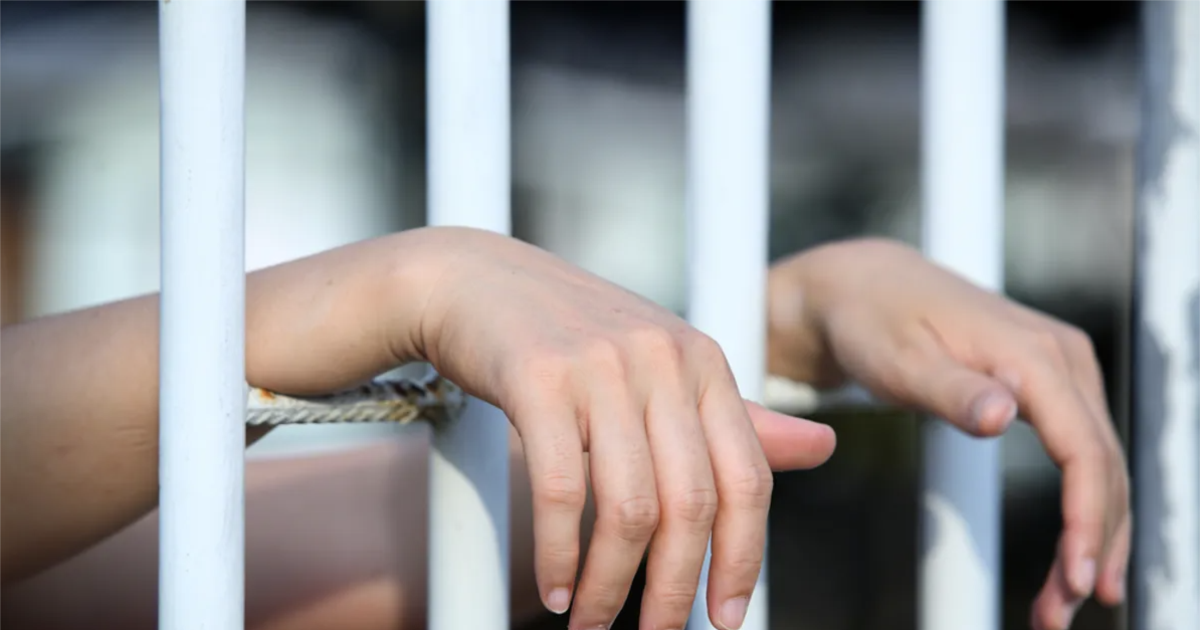
Turkmen woman who accused ex-husband official of sexualized violence against her and her 11-year-old daughter jailed for seven years
Jeren Altyeva, a businesswoman from Bayramaly who publicly accused her former husband — a government official — of sexualized violence against her and her 11-year-old daughter, has been sentenced to seven years in prison on large-scale fraud charges. Rights groups and independent media say the prosecution appears retaliatory, pointing to state security involvement, ignored complaints by victims, and a pattern of silencing public appeals in Turkmenistan.
By Christopher Manley
979 views
A court in Turkmenistan has sentenced a woman who publicly accused her former husband, a government official, of sexualized violence against her and her 11-year-old daughter to seven years in prison on charges of large-scale fraud, according to reporting by Turkmen.news and RFE/RL's Turkmen service.
The woman, identified in reports as Jeren Altyeva and a resident of Bayramaly in the Mary region, went public in June 2024 alleging that her husband had subjected both her and her child from a previous marriage to sexualized abuse following their wedding. She said the abuse prompted her daughter to attempt suicide, and that medical examinations had confirmed harm. Despite those claims and the child's attempted suicide, the Ashgabat prosecutor's office declined to open a criminal investigation into the alleged sexual abuse, according to the reporting. Appeals to the country's ombudsperson and the Supreme Court were also ignored, the accounts say.
After she began speaking out in broadcasts by Turkmen activists and publicly named senior officials and security figures she said were shielding her former husband, Altyeva was reported missing in October. Later it became known that she had been detained by security personnel and a criminal case was launched against her on allegations of fraud on a large scale.
At trial, several witnesses testified that they had lent Altyeva substantial sums of money — reportedly up to $10,000 in individual loans — and given her gold items. Investigators calculated the alleged total loss at 600,000 manats, which independent market conversions put at roughly $30,000. Prosecutors used those figures as the basis for fraud charges that resulted in her seven-year sentence.
Independent outlets and human rights advocates have challenged the official account. They report that Altyeva ran a successful business and herself extended loans to others, and contend the fraud case was manufactured by the Ministry of National Security as retaliation for her media statements and for exposing names of high-level officials and security personnel who, she said, covered for her former husband. Those observers describe the proceedings as part of a broader pattern of punitive measures against citizens who use social media and other public channels to draw attention to social and legal problems in Turkmenistan.
Rights groups and media reports highlight how, in the absence of effective state complaint mechanisms, Turkmen citizens increasingly rely on video appeals posted on platforms such as YouTube, TikTok and the messenger service IMO to seek redress or publicize grievances. Authorities have responded to this trend by tightening control of the digital space, summoning citizens for questioning, demanding removal of videos that criticize officials or seek help, and at times detaining the authors of such postings. State employees have reportedly been urged not to follow or 'like' critical accounts.
The case of Altyeva underscores multiple human rights and rule-of-law concerns: allegations of sexualized violence against a child and a woman, the failure of prosecutorial authorities to investigate those allegations, the detention and prosecution of a woman after she publicly accused a powerful figure, and the apparent use of criminal charges to silence a critic. It also highlights the risks Turkmen citizens face when turning to public online platforms to seek accountability in a country where channels for independent oversight and redress are severely constrained.
Turkmenistan consistently ranks among the world's most repressive countries with tightly controlled media and limited civic space. The sentencing of Altyeva is likely to deepen fears among victims and activists that speaking out can lead to detention and prosecution rather than protection. International rights monitors and local advocates say such cases require close attention as indicators of systemic impunity for officials and the shrinking space for civil expression and accountability in the country.