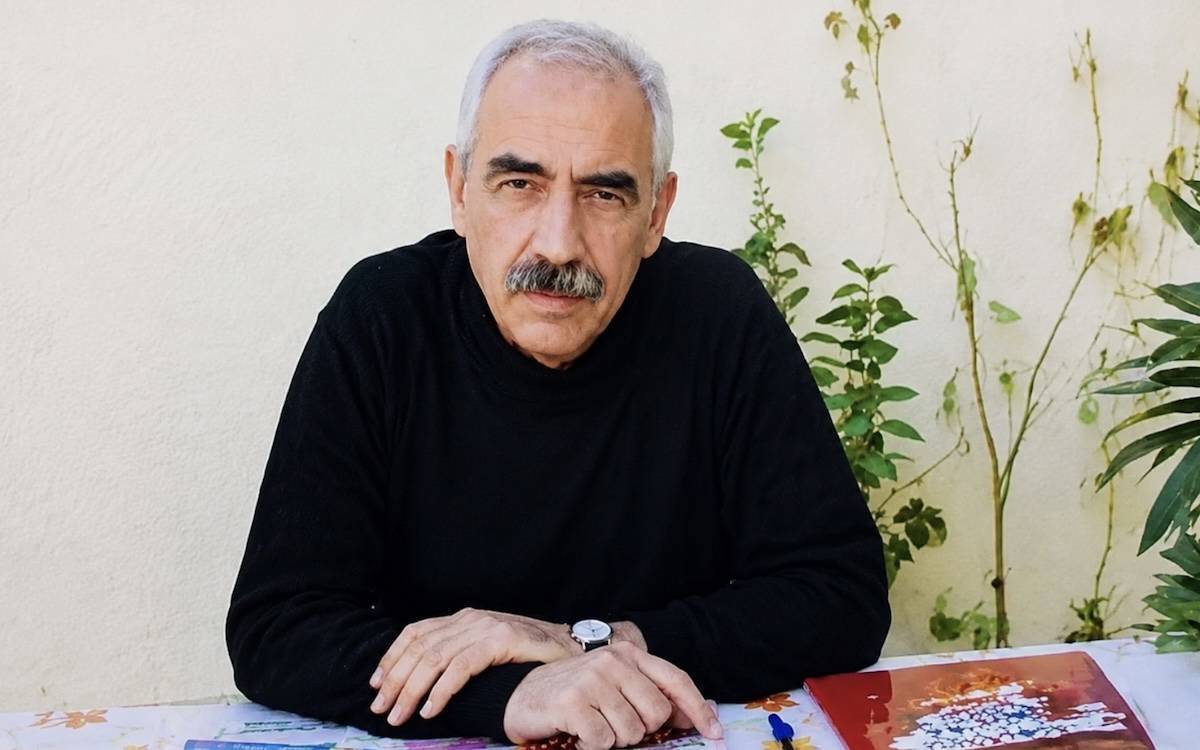
Turkish court upholds prison board decision blocking conditional release of long-term inmate Mehmet Sait Yıldırım over alleged ties to PKK
An İzmir court has rejected an appeal seeking the conditional release of Mehmet Sait Yıldırım, ruling that the prison board’s determination contained no procedural or legal error. The board found no disciplinary sanctions or material evidence of organizational activity, but relied on statements made during a closed family visit and Yıldırım’s refusal to engage with psychosocial services to conclude he remained attached to the organization’s ideology and could maintain relations with the PKK if freed.
By Hikmet Adal
964 views
An İzmir penal court has rejected an appeal against a decision that prevents the conditional release of Mehmet Sait Yıldırım, a prisoner who completed the required 30 years of his sentence in February 2025. In a decision dated 3 September 2026, İzmir 2. İnfaz Hakimliği ruled that the İzmir 1 Nolu F Tipi Yüksek Güvenlikli Ceza İnfaz Kurumu İdare ve Gözlem Kurulu’s decision contained “usul ve yasaya aykırı bir yön bulunmadığı,” effectively upholding the prison board’s judgment to keep Yıldırım in custody under continued supervision for an additional period.
The administrative board had reported that Yıldırım fulfilled his custodial obligations: he complied with communal living rules, did not damage institutional property, observed cleanliness and room allocation rules, took part in sporting activities and reading, and—crucially—had no standing disciplinary sanctions. The board also stated that in the prisoner’s incoming and outgoing channels—items, letters and money transfers—there was “örgütsel faaliyete ilişkin bir emareye rastlanmadığını.” Despite these findings, the board concluded that Yıldırım was not entitled to conditional release.
The board’s reasoning turned on statements made during a closed visit on 30 March 2026 with Yıldırım’s legal guardian. According to the board, portions of that meeting led them to assess that he “örgüt ideolojisini sahiplendiği” and had not “örgütsel düşünceden sıyrılmadığı.” The board cited Yıldırım’s description of his trial period as “siyasi rehin” and his characterization of the chain of events around PKK leader Abdullah Öcalan’s capture as an “uluslararası komplo” as evidence that, if released, he would continue relations with the organization.
The board also recorded Yıldırım’s refusal to meet with the prison psychosocial service and his rejection of an individual interview request as factors supporting its conclusion that there was no observable expression of remorse or behavioral change. It used the phrase “pişmanlığını ifade eden olumlu bir gelişme gözlemlenmediği” in assessing his conduct, and ultimately decided he was “iyi halli olmadığına,” ruling that his conditional release should be postponed and that he should remain under observation for a further three months as of 27 August 2026.
Critically, the board’s decision did not address the broader context of organizational developments outside the prison. The PKK announced a dissolution decision in May 2025 and a subsequent process of disarmament and changes to the legal framework in Turkey followed. The prison board’s reasoning, as reflected in the court record, makes no explicit reference to whether or how the PKK’s May 2025 decision and the ensuing legal changes affected its assessment that Yıldırım would maintain ties to the organization if released.
Yıldırım’s case has drawn attention not only because of the board’s reliance on statements in a closed visit but also because of his health. After the board issued a decision on 24 August 2026, Yıldırım suffered a heart attack and was taken to İzmir Şehir Hastanesi, where he underwent angioplasty and had two stents inserted. Following a period in intensive care he was discharged and returned to prison. He is reported to suffer from multiple chronic conditions, including cardiovascular disease, chronic obstructive pulmonary disease (KOAH) and hypertension, and is listed among seriously ill prisoners.
A native of southeastern Turkey, Yıldırım was convicted in 1995 by the Diyarbakır State Security Court and sentenced to life imprisonment. During the 2013–2015 reconciliation process, he was among a five-member group of inmates known in the public debate as the “İmralı sekreteryası” at the request of Abdullah Öcalan, although due to health problems he remained on Imrali for only nine days before transfer. He later recounted his experience in the book İmralı’da Dokuz Gün. Since completing 30 years of his sentence on 27 February 2025, his eligibility for conditional release has been postponed three times by prison administration decisions, adding up to a total delay of 21 months.
Human rights advocates and legal observers have highlighted Yıldırım’s file as a prominent example of concerns about how “good conduct” assessments are applied by prison administration and oversight bodies in Turkey, particularly in politically sensitive cases. The İzmir court’s upholding of the administrative board’s decision keeps Yıldırım in custody for now and underscores ongoing tensions between individualized assessments of behavior, medical vulnerability in detention, and institutional determinations about perceived ongoing ties to organizations deemed illegal by the state.