Turkey’s 'Zero Waste' Messaging at Odds With Rising Plastic Production, Waste Imports and Hidden Emissions
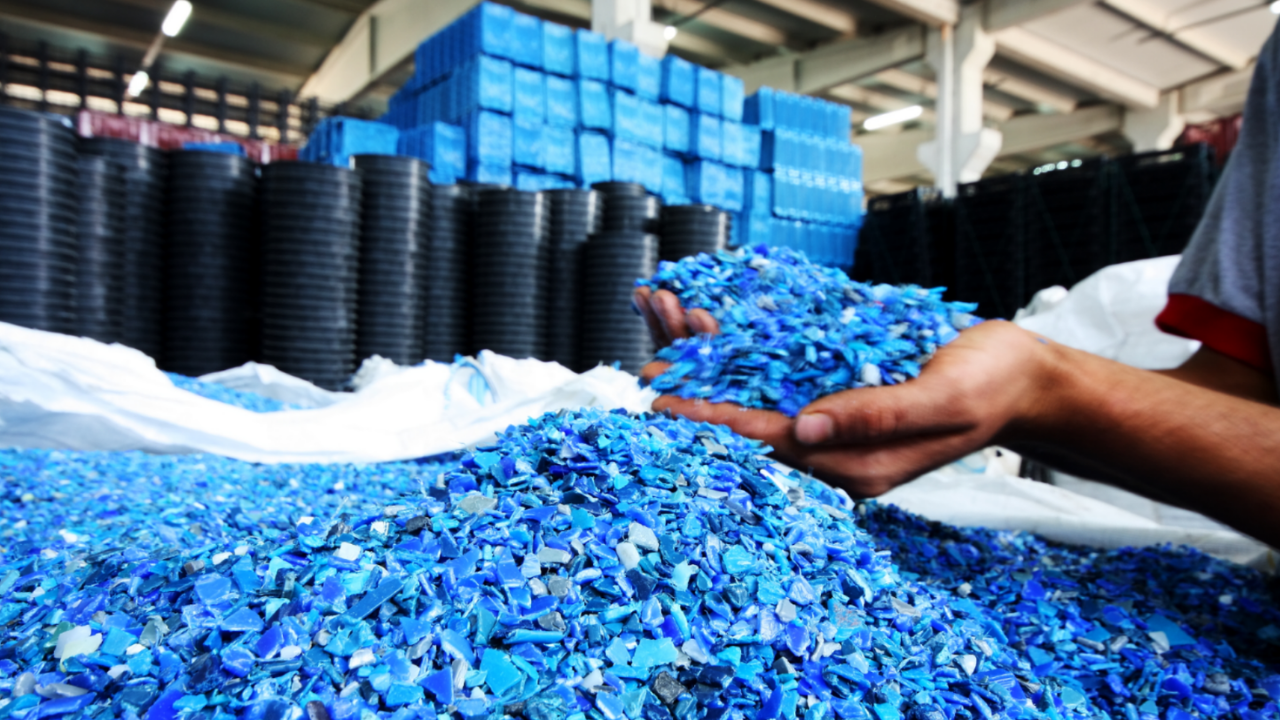
Turkey ranks among the world’s largest plastic producers and has become the European Union’s biggest destination for exported plastic waste, a dynamic critics say deepens the climate and pollution crisis. Independent research shows plastic production and lifecycle processes are a significant and underreported source of greenhouse gases, prompting calls from Greenpeace and academics for immediate bans on waste imports, moratoria on new petrochemical projects and limits on production.
By Clémence Desjardins
828 views
Turkey occupies a growing and problematic position in the global plastics economy: the country has climbed to second place in Europe and sixth worldwide in plastic production, while per-capita plastic waste generation sits above global and income-group averages. At the same time, European Union exports of plastic waste surged to a record 503,000 tonnes in 2025, with Turkey receiving more than any other destination — a development that environmental groups say is sharply at odds with the government’s public 'zero waste' rhetoric.
Independent research underlines why that contradiction matters for the climate. A comprehensive April 2024 study from the Lawrence Berkeley National Laboratory — authored by Nihan Karali, Nina Khanna and Nihar Shah — estimates that primary plastic production accounted for approximately 2.24 billion tonnes of greenhouse gas emissions in 2019, equal to about 5.3% of global emissions when agriculture and land-use changes are excluded. The Berkeley analysis models the full production chain for nine major plastic polymers and finds that roughly three quarters of emissions arise before the polymerization stage, during fossil fuel extraction, refining, and the high-temperature cracking processes that produce ethylene, propylene and other monomers.
Those lifecycle emissions continue beyond initial production. Deniz biologist and plastics researcher Prof. Dr. Sedat Gündoğdu detailed the multiple emissions sources that follow the extraction stage: transport of feedstocks to petrochemical facilities; energy consumption and process emissions at polymer production plants; logistics of shipping finished plastics to manufacturers and retailers; and post-consumer handling, including collection, transport, recycling processes, landfilling and incineration. "Saying we will host a petrochemical investment while claiming we will reduce waste-based greenhouse gas emissions is not very consistent," Gündoğdu said. He warned that if feedstocks and products must be moved between separate facilities, the transport alone becomes an additional emissions category.
Greenpeace Turkey has amplified these concerns in a briefing titled "The Reality Behind the Rhetoric: Turkey’s Zero Waste Policy’s Hidden Face," arguing that the country’s status as the leading EU destination for plastic waste undermines its stated policy goals. Greenpeace highlights wide discrepancies in reported figures for waste inflows and notes that much of the imported material reportedly does not enter effective recycling streams. The organization also points to lifecycle analyses suggesting that trade in plastic waste can shift carbon burdens from exporting to importing countries; for example, assessments following China’s restriction on waste imports showed a drop in global recycling but an increase in global CO2 emissions estimated at roughly 4.5 million tonnes per year.
The Greenpeace briefing and researchers underscore another structural problem: the petrochemical industry’s deep dependence on fossil fuels — both as raw material and energy source — creates what activists call a "carbon lock-in" across value chains. Academic and NGO analyses warn that expanding petrochemicals capacity, such as a planned $10 billion facility in Ceyhan, risks increasing long-term greenhouse gas commitments while producing new sources of plastic waste, directly contradicting zero-waste aims.
Domestic industry groups paint a different picture. PAGEV, the Turkish plastics industry foundation, reports that the sector’s output exceeded 10 million tonnes in 2025 with revenues nearing $43.7 billion and direct exports above $7 billion. According to PAGEV’s monitoring report, packaging remains the largest product category, accounting for roughly 4.02 million tonnes of production in 2025. The industry highlights its economic importance even as environmental advocates call for stricter limits.
International negotiations are confronting some of these contradictions. At the United Nations Third Oceans Conference in June 2025, 97 countries signed a "Nice wake-up call" urging a comprehensive global agreement to end plastic pollution that addresses full lifecycle impacts, including production and trade. Turkey did not sign that call, though Deputy Minister Fatma Varank attended the conference. The declaration also urged states to report primary plastic polymer production, imports and exports — a level of transparency that, critics say, Turkey currently lacks.
Activists and academics are pressing for concrete policy responses: an immediate ban on plastic waste imports, a halt to new petrochemical investments and an announced, phased cap on domestic plastic production. They also urge much stronger reporting and lifecycle accounting for plastic-related emissions, arguing that without transparent data and production limits, national climate commitments and the legitimacy of 'zero waste' policies will remain in doubt. As global analyses warn that, if current trends continue, plastics could claim an increasingly large share of the global carbon budget by mid-century, decisions made now about trade, production and petrochemical expansion will shape both local environmental health and worldwide climate trajectories.