Treasury Says It Has Prepared for $250 Bill With Trump Portrait Pending Congressional Approval
Treasury Secretary Scott Bessent told reporters the Treasury Department has prepared designs and printing plans for a proposed $250 bill that would feature President Donald J. Trump, but stressed that any such currency change requires congressional approval. The preparation follows reporting that administration officials urged the Bureau of Engraving and Printing to create a design, though legislation would need to change the current prohibition on living persons appearing on U.S. currency.
By Jordan Conradson
1,180 views
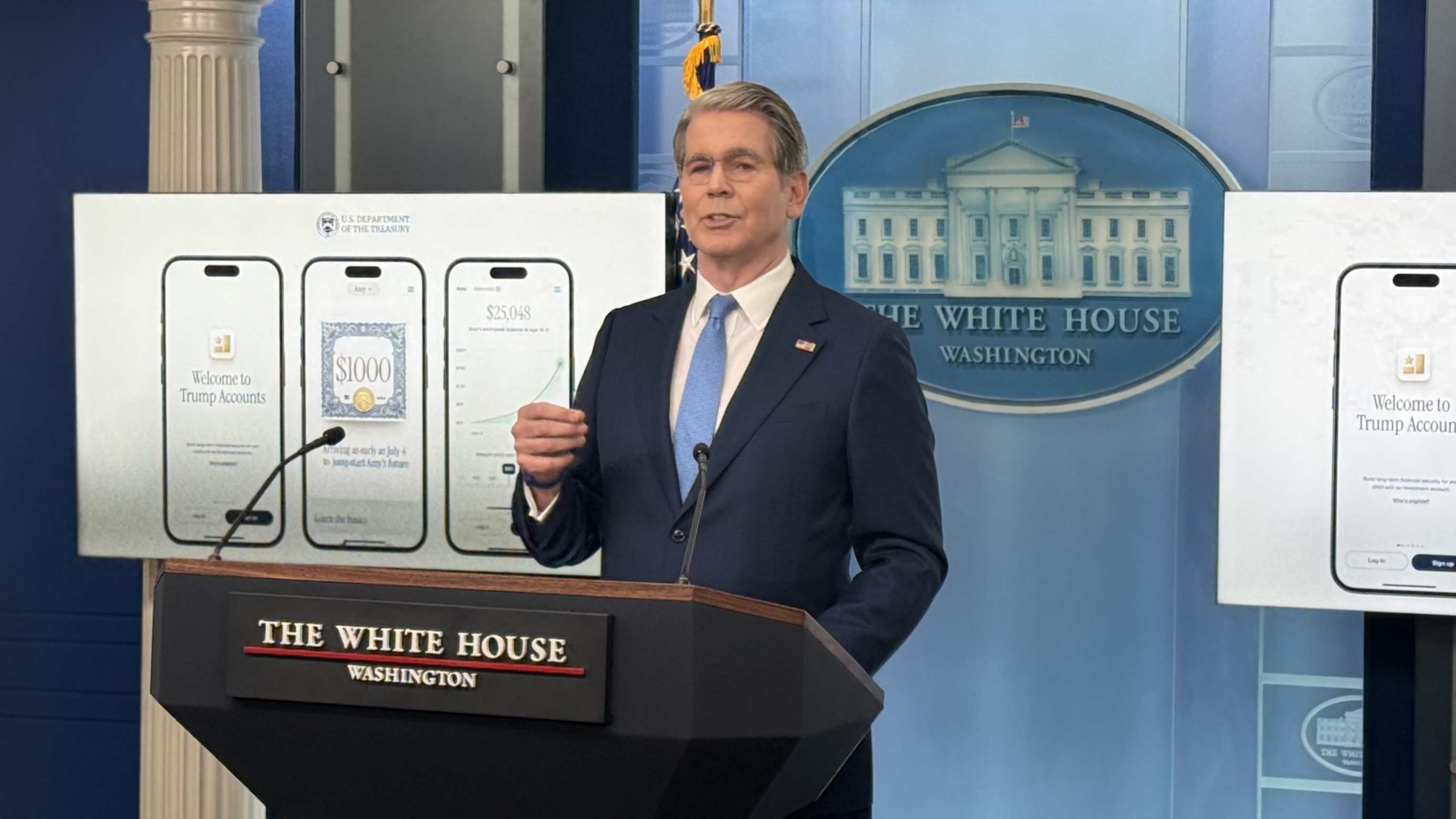
Treasury Secretary Scott Bessent confirmed on Thursday that the U.S. Department of the Treasury has taken preparatory steps to produce a proposed $250 bill bearing the portrait of President Donald J. Trump, but emphasized that any printing would be contingent on congressional action. Bessent made the remarks during an exchange with Fox’s Peter Doocy after news reports suggested officials within the administration were pressing the Bureau of Engraving and Printing to design a bill featuring the president.
The reporting by The Washington Post, which first drew attention to the initiative, said legislation introduced last year to authorize a commemorative $250 denomination — intended to mark the nation’s 250th anniversary — has stalled in Congress. The Post also asserted that U.S. Treasurer Brandon Beach and an adviser, Mike Brown, were among those pushing for the inclusion of President Trump’s likeness on the proposed currency. Bessent’s comments represent the Treasury’s public response to those accounts.
When asked by Doocy, “How long until we see your signature next to President Trump’s face on a $250 bill?” Bessent laid out the legal constraints that currently govern currency design. He noted two standing requirements for U.S. currency: that no living person may appear on a note and that the currency bear the motto “In God We Trust.” He said that proposed legislation pending in both the House and the Senate would amend the first requirement to permit a living person — in this case, Donald J. Trump — to be depicted on a $250 bill.
Bessent explained that the Treasury routinely prepares in advance for possible legislative changes so that the department can execute requirements promptly and within the law should Congress act. “At Treasury, we prepare things in advance, so we have prepared in advance that if the legislation is passed. But we will stick to the law,” he said, underscoring that the department’s readiness does not equate to authorization to issue the notes without an act of Congress.
After the initial exchange, Bessent rebuffed another reporter who asked whether he personally thought it was appropriate for the president to put his face on American currency. He corrected the premise of the question, saying, “Again, the President doesn’t do it. The House and the Senate have to do it.” His response reiterates the separation of roles in the currency-design and legislative process: Congress would need to pass statutory changes before Treasury could lawfully proceed to print new currency bearing a living person’s likeness.
The proposed $250 bill and the debate over whether a sitting president may appear on currency touch on both legal norms and longstanding tradition. Under current law and practice, living persons are not placed on U.S. banknotes, a rule the pending legislation would change if enacted. The Washington Post’s reporting that administration officials advocated for the design reflects internal interest in the idea; Bessent’s statements indicate the department has made logistical preparations while stopping short of independent action.
The development adds a procedural chapter to discussions about commemorative currency for the nation’s semiquincentennial and raises questions about congressional appetite for altering long-standing restrictions on depictions of living individuals. For now, the Treasury’s capacity to print a $250 bill with President Trump’s portrait remains hypothetical and legally conditional: the department has prepared in advance, but it will await explicit direction from the House and the Senate before moving forward.
This account is based on remarks made by Treasury Secretary Scott Bessent during a press exchange and reporting that followed in The Washington Post; additional detail on the status of bills in Congress or any formal design approvals was not provided in the initial reports.