Thousands in Turkmenistan forced to attend Arkadag football match, witnesses say
Residents and anonymous witnesses told Azatlyk that on August 12 authorities transported hundreds of public-sector employees and students to the 10,000-seat Arkadag stadium for a match against Indian club Goa and kept many attendees confined and under police supervision for hours. Official media reported Arkadag won 3:0 and advanced in the AFC Second League qualifying stage, while local sources described restrictions on movement, denied restroom access and road closures that inconvenienced residents.
By Alexander Walter
1,058 views
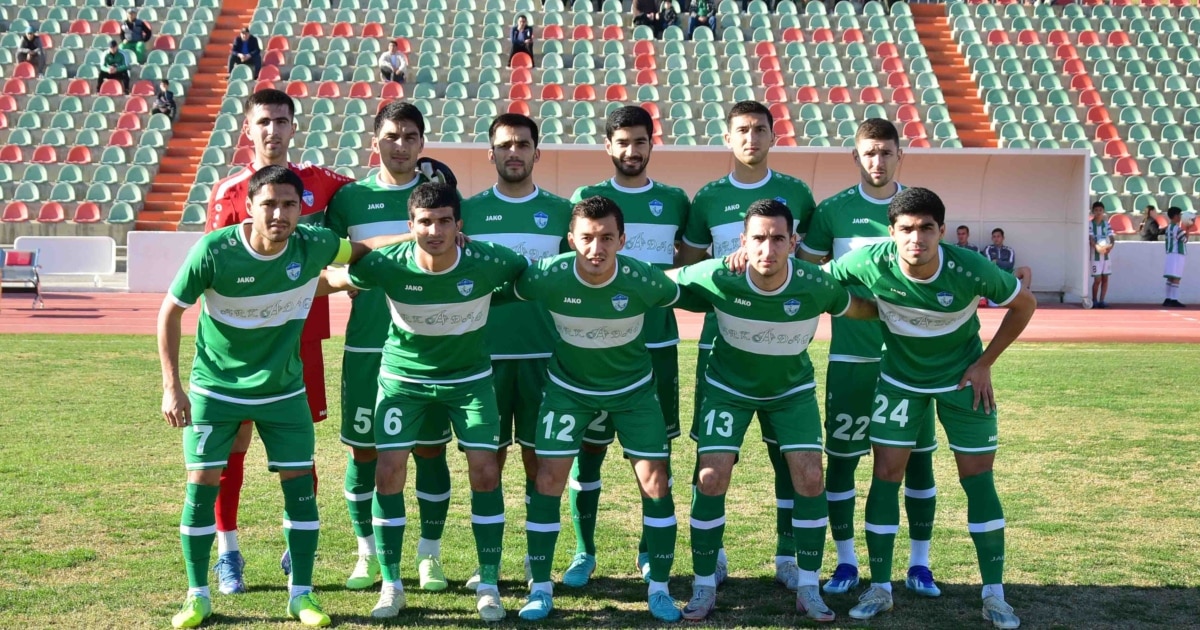
Thousands of people were compelled to attend a football match at the Arkadag stadium in the city of Arkadag on August 12, witnesses and sources speaking to Azatlyk, the Turkmen service of Radio Free Europe/Radio Liberty, have reported. The fixture pitted local team Arkadag against Indian club Goa and, according to official media, ended 3:0 in favor of the home side, advancing Arkadag in qualifying for the AFC Champions League Second League for the 2026/2027 season.
Sources who spoke on condition of anonymity said the match took place at a stadium with a reported capacity of about 10,000 and that authorities brought hundreds of public-sector employees in some 20 buses. College and university students were also reportedly ordered to attend, with witnesses saying roughly 250 people were sent from each educational institution. Several attendees described being held at the venue for hours under close supervision.
"Бюджетников, студентов и учащихся средних профессиональных учебных заведений привезли в 18:00 и посадили под палящее солнце. Матч начался в 20:00 и закончился в 22:00. Можно сказать, что все это время нам не разрешали вставать со своих мест. Полицейские следили за нами и говорили: ‘Идите обратно, выходить нельзя’", a public-sector employee from Ashgabat told Azatlyk on condition of anonymity. Multiple other witnesses said they were kept at the stadium for around four hours and were not permitted to use toilets even during halftime.
Those forced to attend reportedly included many elderly people and women with children. Several witnesses said some attendees became distressed, argued with police, and tried to leave by opening locked gates. A resident of Arkadag who witnessed the events said, "Some could not stand it, they argued with police, opened the locked gates and left."
The match also disrupted life for local residents. Authorities imposed road closures and restricted vehicle movement around the stadium, forcing people to disembark from cars or buses and walk long distances. "People going to the stadium had to get out of cars or buses in the middle of the road and walk the remaining distance on foot. Residents of houses near the stadium also had to walk hundreds of meters," said a local resident familiar with the situation, who spoke to Azatlyk anonymously.
Azatlyk reported it was unable to obtain official comment from local authorities, including the administrations of Ashgabat and the city of Arkadag, as well as from the stadium administration; phone calls to those offices were not answered. State media, meanwhile, focused on the result and Arkadag's progression in the continental competition.
Human rights monitors and independent accounts have repeatedly documented a pattern in Turkmenistan of compelling public-sector workers, students and schoolchildren to participate as audiences at official celebrations, parades and sporting events. Over the years those summoned in such campaigns have described being held for extended periods without access to water or food and being denied basic facilities. Separate recent reports also allege intensified campaigns compelling budget workers in regions such as Mary, Lebap and Balkan to assist with agriculture, including cotton harvesting—an indicator of broader coercive practices affecting civil liberties and labour rights.
The episode at the Arkadag stadium highlights the continued use of administrative pressure to stage public displays and the toll such practices place on ordinary citizens and public employees. Observers say these measures raise concerns about freedom of movement, the rights of workers and students, and the use of policing powers to enforce attendance at state-sanctioned events.