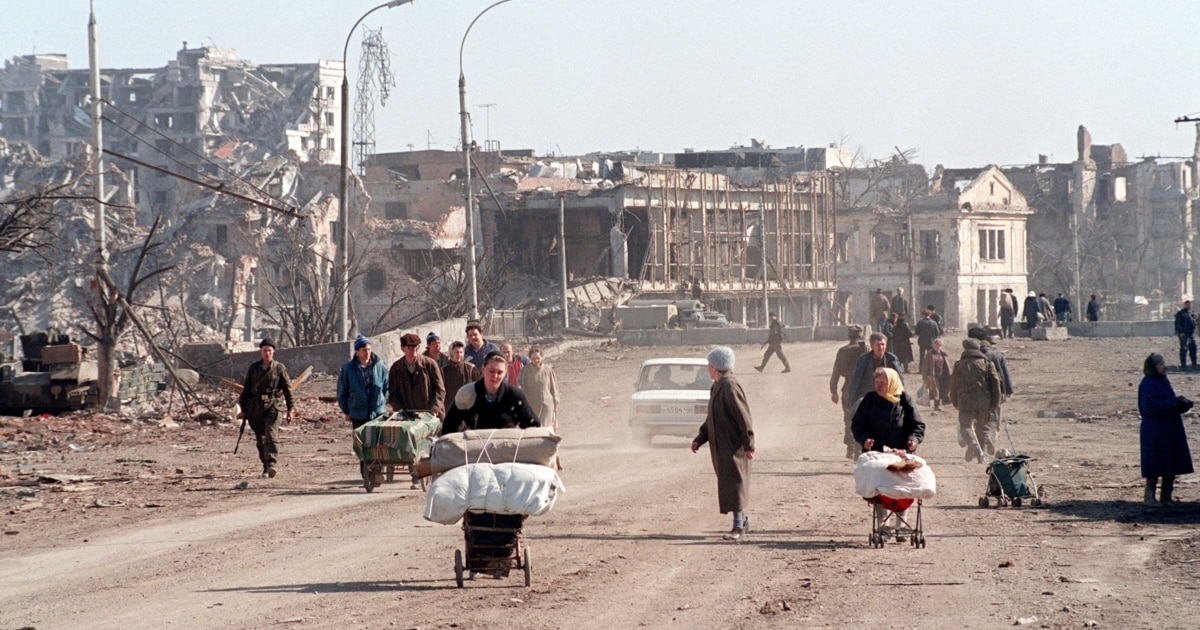
Thousands displaced from Nochi still waiting: patchwork of laws, budgets and delayed certificates leave many without compensation
People displaced from Nochi in the 1990s remain in limbo despite recognition by regional authorities and multiple federal and regional programmes offering compensation. A review of official reports, court rulings and budgeting since 1994 shows that only a portion of eligible people have received certificates or payments, while others continue legal battles or await new rules and funds.
By Vanessa Bergmann
1,191 views
More than three decades after mass displacement from Nochi, thousands of people who were recognised by regional authorities as eligible for state support and compensation have still not received full reparation or the documents they need to access it, according to local activists, ombudsman reports and court records.
Displacement beginning in 1994 created a long-term cohort of people with so-called mukhajir (internally displaced persons or refugees) status who qualified for preferential treatment and monetary compensation under regional and federal programmes. Regional authorities have repeatedly issued lists of eligible people and allocated funds, but the system of certificates, eligibility rules, and the balance between federal and regional responsibility has produced uneven results and long delays.
A regional ombudsman report cited in official materials shows that thousands of people were registered as needing compensation: the report recorded 14,488 claims and 1,637 related entries in its surveyed period. Of those, only 4,445 received compensation payments, while about 435 cases were referred to the courts. The report, which covered a multi-year period, highlighted administrative backlogs and conflicting rules as key obstacles to delivery.
Legal and policy changes have further complicated the process. In 2015 the rules for recognising mukhajir status and for allocating compensation were changed, altering eligibility and the form of payments. In 2018 and 2019 regional ministries and courts issued additional clarifications and rulings; the regional Constitutional Court produced decisions addressing how compensation should be calculated. Some court rulings referenced specific amounts as standards for compensation decisions in individual cases.
Local activists and displaced people say that bureaucratic barriers, inconsistent criteria and insufficient outreach have left many unable to obtain the necessary certificates that unlock compensation or housing benefits. Fatima Gazieva, an activist working with affected families, told the newsroom that documentation gaps and delays mean entire families remain without promised help. According to accounts collected by the editors, some people have been repeatedly told to wait for the next tranche of funding or for changes in the rules.
Budgetary allocations have been significant at moments, but delivery has been uneven. Regional documents show that in 2019 authorities allocated 980 million som and issued some 292 certificates; in 2020 the region reported a record 1.18 billion som in allocations with around 320 certificates issued that year. Federal transfers in recent years have continued, and in 2026 the federal centre earmarked 488.5 million som for 19 certificates under a new tranche. Yet rights activists say that allocations are not translating into universal or timely relief for the registered population.
Authorities have repeatedly proposed legislative amendments and new implementation schedules to clear the backlog. A draft regional law sent to the parliament and to federal ministries envisaged a multi-year programme that officials said would continue through 2025. Regional deputies and presidential administration officials have discussed pilot lists and prioritisation criteria, but activists and victims say those measures do not address deeper problems: how many people meet the strict criteria for certificates, how arrears are calculated, and how those excluded can appeal.
The issue has also drawn the attention of national bodies. In 2026 a delegation from the Investigative Committee met with regional officials after video materials and lists of unresolved cases circulated in federal oversight channels. The Investigative Committee’s involvement underscores growing concern in Moscow about the administrative handling of long-standing displacement claims and the accountability of regional authorities for implementing federal compensation programmes.
Human rights advocates interviewed for this report said the continuing gap between legal recognition and practical delivery undermines trust in institutions and leaves a vulnerable group dependent on ad hoc decisions. They call for clearer, binding federal rules, transparent lists and timelines, and independent auditing of allocations and certificate issuance to ensure that those displaced in the 1990s finally receive the compensation and housing support to which they are entitled.
The regional administration and federal ministries cited in the available materials confirm ongoing programmes and occasional transfers but have not provided a comprehensive timeline for when all registered claimants will receive certificates or compensation. Meanwhile, affected families continue to press courts, ombudsmen and authorities for answers, as the long legacy of displacement and unresolved reparation remains a significant unresolved social and legal issue in the region.