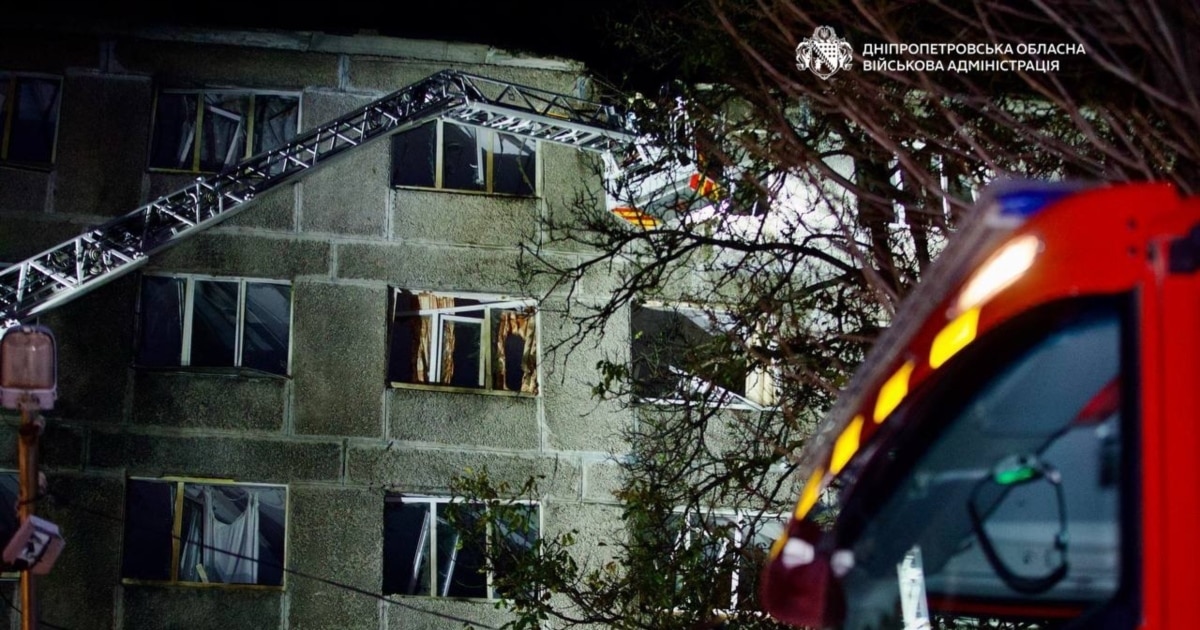
The Economist: Russia Intensifies Strikes on Ukrainian Cities and Infrastructure Amid Frontline Stalemate
Analysis by The Economist, using NASA satellite fire-detection data and conflict databases, finds that Russia has escalated bombardments of Ukrainian cities and key civilian infrastructure even as front lines have largely stalled. The pattern includes a surge in drone and missile launches, concentrated attacks on rail and energy networks, rising civilian casualties and extensive damage to logistical capacity.
By Christopher Manley
1,171 views
An analysis published by The Economist concludes that Russia has stepped up bombardments of Ukrainian cities and critical civilian infrastructure even as fighting on the front has largely stalled. The investigation draws on satellite datasets originally developed by NASA to detect wildfires, along with conflict-event statistics, and finds that the intensity of strikes in recent months is higher than in any comparable period of the war.
The Economist’s methodology used fire-detection algorithms applied to satellite imagery to identify incidents linked to combat. According to the publication, the three months prior to the study saw exceptional activity: Ukraine secured a net territorial gain of roughly 73 square kilometers during that period, erasing about half of Russia’s advances earlier in the year. At the same time, Russian forces have struggled to hold newly seized ground or make sustained advances, prompting a shift toward targeting infrastructure and population centers.
Conflict-monitoring group ACLED (Armed Conflict Location & Event Data Project) provided data showing that in the month leading up to October 23, Russian strikes hit 290 objects of civilian infrastructure and killed at least 62 civilians. Railways have been a particular target: more than 500 trains have been damaged since the start of the full-scale invasion, with around 300 of those damages recorded this year alone. One of the deadliest recent incidents occurred on October 29, when a Russian drone strike struck a platform in the city of Dnipro, killing at least 15 people.
Energy infrastructure has also been heavily affected. The Economist noted at least 46 attacks on energy targets in October alone, contributing to recurring power outages that have become a routine hazard for civilians. The Ukrainian Air Forces report that Russian forces have increased their use of unmanned aerial vehicles and missiles: this year Russia has launched more than 56,000 drones — a 35 percent increase year-on-year — and some 1,766 missiles, a 22 percent increase. In Kyiv, the daily duration of air-raid warnings rose sharply, averaging roughly 110 minutes per day in the period analyzed versus about 19 minutes during the summer months.
Ukraine, for its part, has also expanded its long-range strike capacity. The Economist counted more than 100 long-range Ukrainian attacks in the month before October 23, aimed primarily at military targets but also striking factories, ports, fuel depots and refineries. Russian long-range strikes likewise grew, from 130 in June to 453 in September, illustrating an intensification of bombardment on both sides even as territorial contestation remains limited in scale.
The human cost of the war remains substantial. The Economist cites assessments that Russian fatalities may range from 374,000 to 770,000, with total casualties including wounded estimated at 1.4 to 2.1 million. Ukrainian loss databases such as UAL (Ukrainian Armed Forces Losses) put Ukrainian military fatalities at approximately 116,000, with another 106,000 reported missing. The publication warns that Moscow continues to retain the capacity to sustain heavy attritional campaigns: Vladimir Putin, it notes, appears willing both to intensify strikes that degrade civilian life and to tolerate very large military losses in pursuit of strategic objectives.
The analysis also highlights an international political dimension. The Economist reports that elements within the administration of U.S. President Donald Trump have portrayed the conflict in terms that downplay Russian culpability, with a U.S. special envoy, Steve Witkoff, reportedly referring to President Putin as "a humanitarian" at a meeting in St. Petersburg. The article suggests such portrayals can obscure the scale and character of attacks on civilians and public services.
Finally, the report underscores information controls and access challenges. Russian authorities have tried to block access to outlets such as Krym.Realii; Roskomnadzor’s restrictions have prompted the publication to point readers to mirror sites and alternate channels. The Economist’s findings, based on independent satellite and event data sources, add to mounting evidence that, even amid a frozen frontline, the conduct of the war is increasingly focused on degrading civilian infrastructure and the means of everyday life, with serious implications for humanitarian needs, reconstruction and the prospects for civilian protection.