Ten servicemen at Odesa recruitment centre charged with torture and unlawful detention, prosecutor says
Ukraine’s prosecutor general announced on 18 August that ten military personnel attached to a district territorial recruitment and social support centre (TЦК і СП) in Odesa region have been formally charged with unlawful detention and torture. Investigators say the State Bureau of Investigation documented 15 episodes affecting at least eight victims; the suspects have been detained and face preventive measures while authorities pursue the inquiry.
By Vanessa Bergmann
980 views
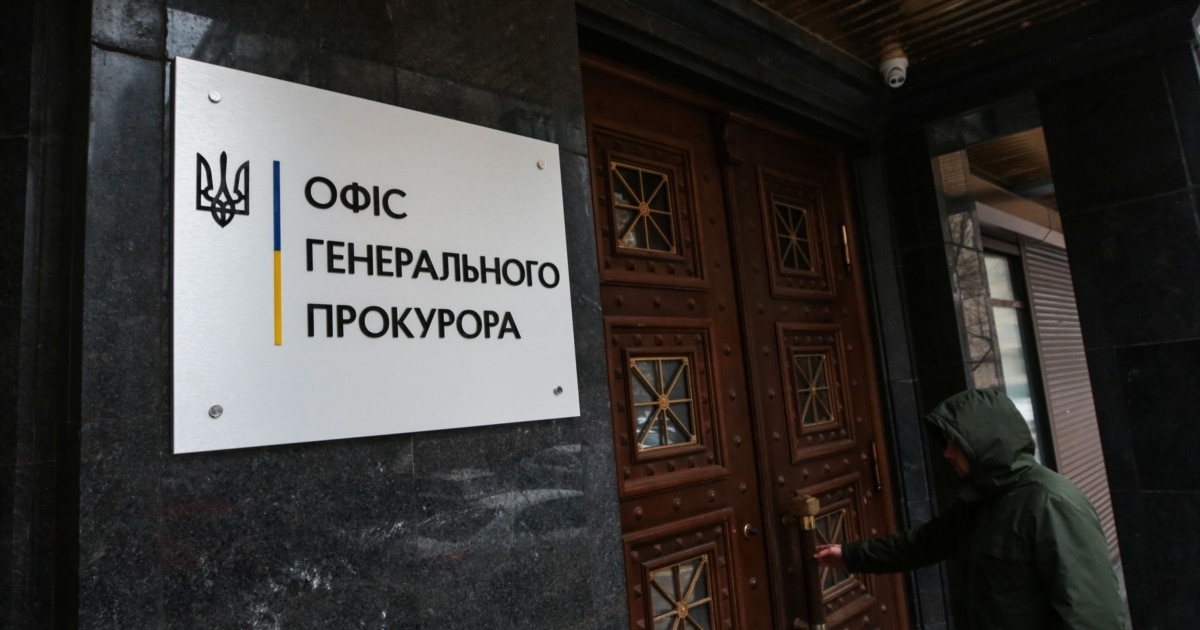
Ukraine’s Office of the Prosecutor General announced on 18 August that ten servicemen from a district territorial recruitment and social support centre (ТЦК і СП) in Odesa region have been formally charged with unlawful deprivation of liberty and torture. The announcement, made by Prosecutor General Руслан Кравченко, said investigators believe the servicemen detained civilians unlawfully over several months and subjected some to physical violence and coercion.
«За даними слідства, упродовж кількох місяців вони незаконно затримували людей, застосовували сльозогінний газ, били й силоміць доставляли до ТЦК. В одному з епізодів чоловіка, щоб затримати, збили службовим автомобілем. Іншого душили, били, надягли кайданки та під погрозами вимагали пароль від телефону», the prosecutor’s statement said, describing specific allegations documented by investigators.
The State Bureau of Investigation (ДБР) said it had recorded 15 separate episodes consistent with the allegations. According to the prosecutor’s office, at least eight victims have been identified so far. The ten suspects have been detained and courts have imposed preventive measures against them as the criminal case proceeds.
Kravchenko also noted a notable personnel detail about the accused: «Є ще одна деталь. Семеро з десяти підозрюваних були мобілізовані навесні 2025 року й одразу направлені для проходження служби до одеського ТЦК. Держава дала їм форму, повноваження і відповідальність. За версією слідства, ці повноваження вони використали для незаконного насильства над людьми». The prosecutor argued the men were provided state authority and that, according to the investigation, some abused those powers to commit unlawful acts.
The Odesa regional ТЦК і СП issued a response rejecting abuses and stressing institutional intolerance for misconduct. In its statement the centre said it stands for «абсолютної нетерпимості до перевищення службових повноважень, застосування насильства і порушення прав громадян». The centre added: «Будь-які протиправні дії ганьблять честь тих військовослужбовців, які сумлінно виконують свій обов’язок із захисту держави… Процесуальні дії Державного бюро розслідувань й Одеської спеціалізованої прокуратури у сфері оборони Південного регіону здійснюються у тісній взаємодії і за повного сприяння керівництва. Слідству надається всебічна підтримка для об’єктивного та неупередженого встановлення всіх обставин подій». The centre said it was cooperating with investigators and supporting an impartial inquiry.
The developments come amid broader scrutiny of recruitment centres across Ukraine. In June, the Ministry of Defense said it would audit all territorial recruitment and social support centres after reports surfaced of unlawful detention and mistreatment. On 11 August the acting head of the National Police, Максим Цуцкірідзе, told Ukrinform that police had notified 76 heads of regional recruitment centres at various levels of suspicion in separate cases, indicating a wider pattern of investigations into alleged abuses and possible administrative or criminal wrongdoing.
Since Russia’s full-scale invasion of Ukraine on 24 February 2022, the country has been operating under martial law and general mobilization measures that have repeatedly been extended by the Verkhovna Rada. The high volume of mobilization activity, and disputes that sometimes occur in public between recruitment centre staff and civilians, have periodically generated negative coverage and social media posts. Ukrainian officials, including military authorities, have said some of that negative information is driven by Russian information operations, while others point to recurring reports of corruption and misconduct within recruitment centres.
The charges in Odesa add to growing institutional and human rights concerns about the conduct of mobilization and the behavior of personnel given powers during wartime. Investigators and prosecutors say they will continue to gather evidence, interview witnesses and pursue accountability. The Odesa regional centre and national authorities have stated their intent to cooperate with the inquiry; the outcome of prosecutions and any further disciplinary or administrative measures will be closely watched by civil society groups and rights monitors monitoring wartime safeguards and abuses.