Tatars in Germany Launch #1552run to Mark Memory Day as Commemorations Face Restrictions in Kazan
A Germany-based Tatar initiative has launched #1552run, inviting participants worldwide to run a combined 1,552 kilometres from October 1–15 to mark Memory Day for the 1552 fall of Kazan. The campaign highlights growing diaspora efforts to preserve historical memory as official commemorations in Kazan have been curtailed and organisers of earlier events faced fines and scrutiny.
By Alexander Walter
891 views
Tatars living in Germany have launched a transnational running campaign, #1552run, urging community members and supporters to run any chosen distance in their own cities or towns between October 1 and 15 and log their results toward a communal target of 1,552 kilometres. The initiative, organised by the 'Almanya Tatarça' (Germany Tatarcha) group, says the event is intended to unite Tatars around the world in marking Memory Day for the 1552 conquest of Kazan.
Organisers say anyone can register at the campaign website, 1552.tatar, choose a distance to run and record the outcome on the site. "Healthy body — healthy memory," the group writes in its call to action, urging Tatars in different countries to remember together. The drive to accumulate a collective 1,552 kilometres is explicitly symbolic, referencing the year 1552 when the forces of Ivan IV captured Kazan and effectively ended the independent Kazan Khanate.
The campaign materials include participation figures from the 2024–2025 reporting period: 117 people from 27 countries logged runs that together totalled 1,275 kilometres. According to the organisers, members of the German Tatar community have been running the campaign since 2024, and the idea originally took shape in Kazan in 2019 when activist Nail Nabiullin ran 52 kilometres and organised a "Memory Marathon."
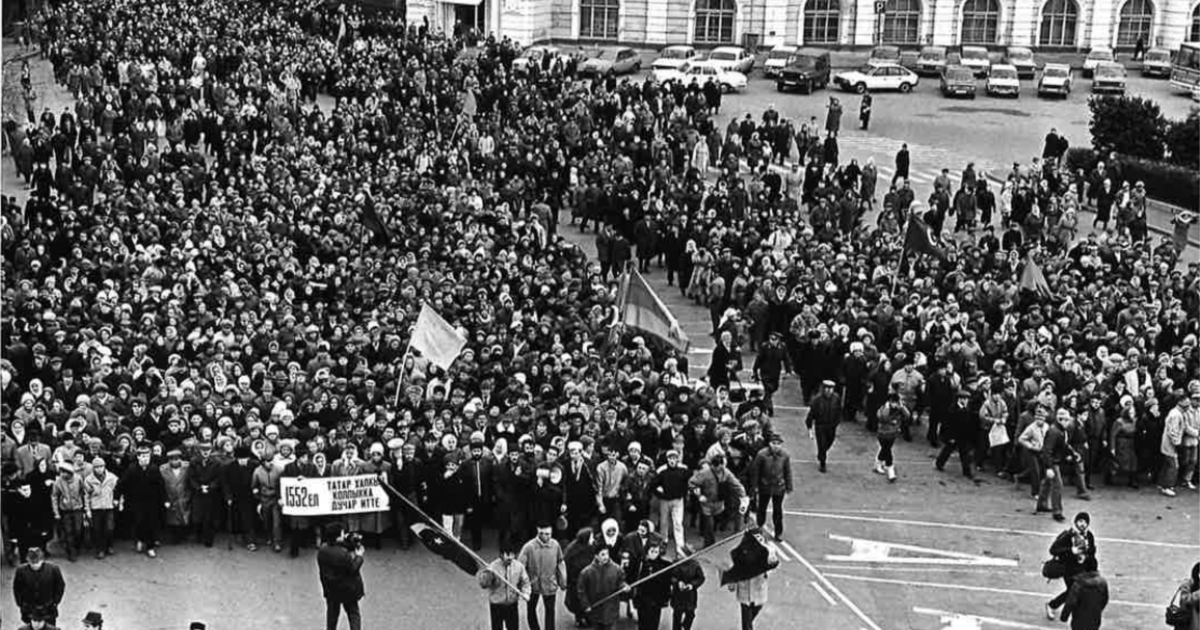
Memory Day itself has been observed by Tatar civil society since 1989 as a commemoration of those who died in the 1552 siege and the subsequent loss of Tatar statehood. In recent years, the annual remembrance has acquired more overt political significance as an assertion of cultural memory and identity. Authorities in Kazan, however, have not authorized official Memory Day events in the city since 2022, and activists and organisations involved in past commemorations have faced state scrutiny. In 2021, for example, the Tatar Public Center was fined 250,000 roubles after speeches delivered at a Memory Day event were investigated.
The diaspora campaign underscores how communities outside Russia are sustaining remembrance activities that are increasingly constrained at home. The organisers emphasise the inclusive, decentralised nature of the run: participants decide where and how far to run and simply report their totals online to contribute to the collective goal. The approach allows Tatars across national borders to demonstrate solidarity in memory and culture without needing to congregate at politically sensitive sites.
The article also notes that in 2025 a group observed the day in Kazan by praying at the Old Stone Mosque and then visiting the Tatar cemetery to commemorate the victims—actions that reflect the continuing private and small-scale acts of remembrance despite the limits placed on public commemoration. Separately, media associated with the campaign point to broader pressures on independent coverage and civic expression: the Azatlyk (Radio Free Europe/Radio Liberty) website has at times been blocked in Russia, complicating dissemination of information related to Tatar cultural and civic initiatives.
The #1552run is both a sporting and symbolic action: it combines personal physical effort with a collective historical statement, allowing Tatars in the diaspora to keep alive a contested memory while circumventing restrictions in Tatarstan itself. As authorities tighten controls over public commemoration and civil society organisations face penalties, diaspora-led initiatives such as this provide an alternative avenue for cultural and political expression, and for sustaining communal ties across borders.