Taliban 'Mahram' Requirement Restricts Afghan Women’s Travel, Work and Daily Life
Women in Afghanistan say Taliban-enforced requirements that they be accompanied by a male mahram are complicating cross-border trade, daily commutes, and basic freedoms. Traders, teachers and ordinary residents describe intrusive identity checks, physical abuse of relatives, and demands for marriage documents, while U.N. and rights groups warn the measures severely limit women’s access to education, employment and services.
By Blake Marriott
1,035 views
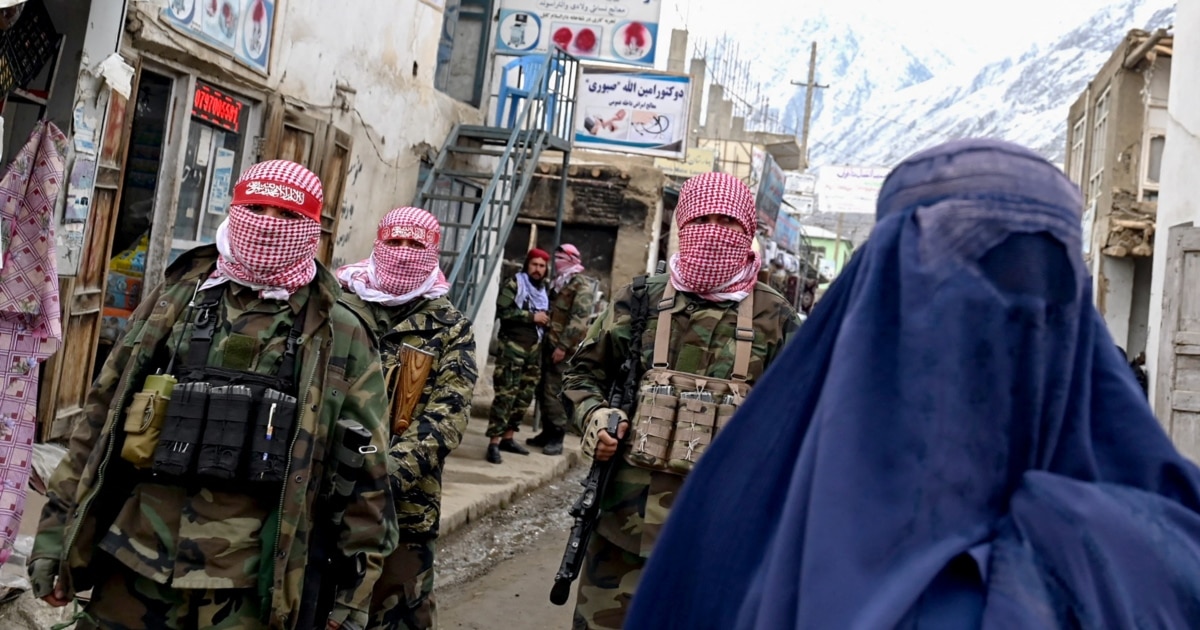
Women across Afghanistan are reporting that a Taliban-enforced requirement to travel only with a male mahram — a close male relative — is not only constraining long-distance journeys but has seeped into everyday life, curtailing freedom of movement, access to work and education, and basic dignity. Multiple women interviewed by Radio Azadi recounted repeated identity checks by members of the Taliban’s vice and virtue ministry, intrusive questions about family ties and, in at least one case, physical assault against a relative.
One trader from Herat identified only as مریم, 45, described traveling to Mashhad, Iran, with her 23-year-old son for business. Despite carrying her son, she said virtue police repeatedly demanded proof that the young man was her mahram. "بارها برایش می گویم که به خدا قسم پسرم است، اما تاکید می کند که تذکره اش را بده من گفتم مولوی صاحب در تذکره نام پدر می باشد نه مادر و آیا در تذکره شما نام مادر تان درج است، اما می گوید بس کن و اصلاً حرف را نمی شنود." She told Radio Azadi that the insistence on documentation made routine travel difficult and humiliating.
After that experience, مریم began traveling with her brother for business. But she said that did not resolve the problem. She recounted an episode at customs after returning from Iran in which a Taliban virtue official insulted and physically attacked her brother. "وقتی از آن طرف(ایران) مال می خرم می آورم به گمرک پسرم را اجازه نمی دهد وقتی با برادرم برای گرفتن امر به گمرک رفتم،کارمند امر به معروف طالبان از من پرسید که برادرت است؟ گفتم بلی ما خواهر و برادریم و در تذکره های ما هم نام پدر ما است، اما مامور طالبان روی خود را به طرف برادرم دور داد گفت تو بی غیرت ننگ نداری که خواهرت را با خود آوردی، من گفتم گناهم چیست که این حرف را می زنی، دندان هایش را رویم فشار داد و حدود ده سیلی به پس گردن برادرم زد." She also said the need to bring a male companion has effectively doubled her travel costs, as she must pay for another ticket or expenses for the accompanying relative.
The restrictions are not limited to cross-border commerce. A private school teacher in Kabul who declined to be named said virtue police sometimes demand that women be escorted even for short trips to work, school or to use public transport. She told Radio Azadi that officials will insist "that at least your mahram must take you to the school and bring you back," adding: "اگر در یک جای کاری پیش آمد برایتان و دید که این قسم یک مورد است هم، در هر جای اینها تقاضای داشتن محرم را میکنند، مثلاً اینها میگویند که حد اقل محرمتان شما را تا مکتب برساند، پس از مکتب ببرد، این مشکلات خیلی زیاد است و همه را محدود کرده است."
Another Kabul resident recounted being stopped with her husband by virtue police, who demanded to see a marriage document (سند نکاحخط) as proof of their relationship. Because they did not carry the document, both were questioned separately about their identities and family details before being allowed to continue, she said.
Radio Azadi contacted the Taliban’s Ministry for the Propagation of Virtue and the Prevention of Vice for comment on these complaints, but its spokesperson, سیف الاسلام خیبر, did not respond to calls.
The practical enforcement of the mahram rule follows written Taliban orders. In December 2021 the de facto authorities issued a directive prohibiting women and girls from traveling alone on routes longer than 72 kilometers without a mahram. In March 2022 they went further, banning women from traveling alone on domestic and international flights. Humanitarian organizations and survivors have repeatedly warned that the rules disproportionately harm women from households without an adult male guardian and those who rely on travel for livelihoods or access to services.
The Taliban maintain that their policies are intended to uphold what they describe as the requirements of sharia. International bodies, however, including the United Nations and human rights organizations, have warned that restrictions imposed on women’s movement and public participation are severe and far-reaching. They say the rules limit women’s ability to attend school and work, obtain health care and humanitarian assistance, and participate in public life — effectively constricting daily life for many Afghan women.
The accounts collected by Radio Azadi underscore how the mahram requirement, as implemented by virtue police on the ground, can be arbitrary, invasive and punitive. Beyond bureaucratic delays or increased costs, women are reporting verbal abuse, invasive questioning, demands for documentary proof of private family relationships, and physical intimidation, all of which raise serious human rights and protection concerns as Afghanistan’s women and girls navigate life under the current de facto authorities.