Taliban accuses Pakistan of air strikes that 'killed civilians' as Islamabad cites strikes on alleged drone sites; independent verification pending
The Taliban government has accused Pakistan of carrying out air strikes on several Afghan provinces and says at least four civilians were killed, while Pakistani officials say their forces struck facilities they claim housed unmanned aerial vehicles. Independent sources have not yet corroborated the latest claims; the UN has previously confirmed civilian deaths in an earlier Pakistani air attack in Kunar province.
By Vanessa Bergmann
22 views
Afghan Taliban authorities on Wednesday accused Pakistan of carrying out air strikes on multiple Afghan provinces and said the attacks killed civilians, escalating tensions that have simmered between the two neighbours for nearly a year. Zabihullah Mujahid, a spokesman for the Taliban government, issued a media statement calling the strikes "an open aggression" and asserting that at least four civilians were killed in raids on Kandahar, Paktia and Khost provinces.
Radio Azadi — the publisher of the original report — and other local outlets said they were unable to independently verify the Taliban government’s casualty figures. Independent reporting on the most recent strikes remains limited. The developing claims come amid repeated cross‑border exchanges and a pattern of strikes and counter‑strikes along the Durand Line, including at major border crossings such as Torkham and Spin Boldak.
Islamabad’s civilian leadership, represented by Information Minister Attaullah Tarar, offered a contrasting account. Tarar said Pakistani forces had targeted "ten centres" inside Afghanistan that, according to Pakistani claims, were used to store or operate unmanned aerial vehicles. He added that the strikes were in response to what Pakistan described as drone launches from Afghan territory into Pakistan on Wednesday.
Pakistani media, citing security sources, reported earlier on Wednesday that at least eight unmanned aerial vehicles had been launched from Afghanistan toward Pakistan and that Pakistani forces had struck four near the Torkham border crossing and four in mountainous areas near Kohat. A Taliban source who spoke to Radio Azadi on condition of anonymity denied that Taliban forces had launched any drones into Pakistan.
The conflicting accounts follow a separate attack on Monday that drew international attention and criticism. Pakistan carried out air operations in Kunar and Khost provinces on a previous day, and Pakistani officials said those strikes targeted members of the Tehrik‑e‑Taliban Pakistan (TTP). The United Nations Assistance Mission in Afghanistan (UNAMA) has confirmed that in the Kunar strike three Afghan civilians were killed and four other non‑combatants were wounded — including women — a finding that Pakistan disputes.
The Russian Embassy in Kabul on Wednesday expressed concern about the latest exchanges and urged both sides to resolve differences through dialogue. The embassy said in a statement on its X (Twitter) account that it favoured negotiation and de‑escalation. India’s foreign ministry, according to regional reporting cited in the original dispatch, had earlier condemned Pakistani strikes inside Afghanistan.
The Taliban government warned it would respond "appropriately" and that Pakistani forces would face "undesirable consequences" for their operations. Such public threats and retaliatory rhetoric raise concerns for civilians living near border areas, where repeated operations have been reported over the past year.
Beyond the immediate cross‑border violence, the original compilation of regional developments also reported diplomatic friction involving Iran and the United States at the UN General Assembly. Two Iranian news agencies, Tasnim and Fars, criticized Foreign Minister Abbas Iraqchi for meeting with Steve Witkaf, the U.S. special envoy, in New York on the sidelines of the UN meeting. Tehran’s foreign ministry spokesman Ismail Baqaei told reporters the contacts were made via a Qatari intermediary to communicate Tehran’s conditions on issues including the reopening of the Strait of Hormuz. U.S. officials including Donald Trump and Jared Kushner were quoted as referencing these mediated contacts.
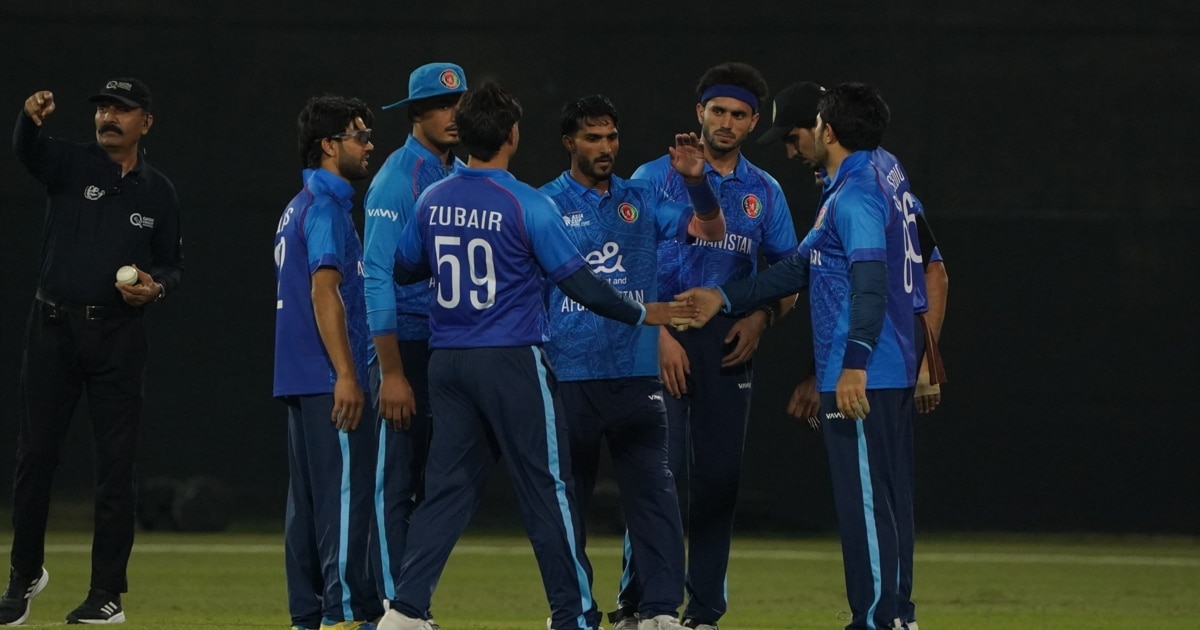
The dispatch also included a range of other, unrelated items reported the same day: Afghanistan’s A‑team cricket side beat Japan and is due to face Nepal in the Asian Games; a report that at least 800,000 honeybees were stolen from northern Queensland, Australia, raising concerns for local pollination and avocado crops; and a statement attributed to a Syrian leader asserting Damascus’s claim to the Golan Heights, a territory the UN still describes as occupied by Israel.
For the immediate human rights and security implications, the key elements remain the unverified but grave allegations of civilian harm from air strikes and the reciprocal accusations about drone operations. Independent, on‑the‑ground verification is scarce, and international monitors such as UNAMA have played a central role in confirming earlier civilian casualties. Diplomats and humanitarian actors warn that continued escalation risks further civilian suffering and underline the need for transparent investigations and restraint on both sides.