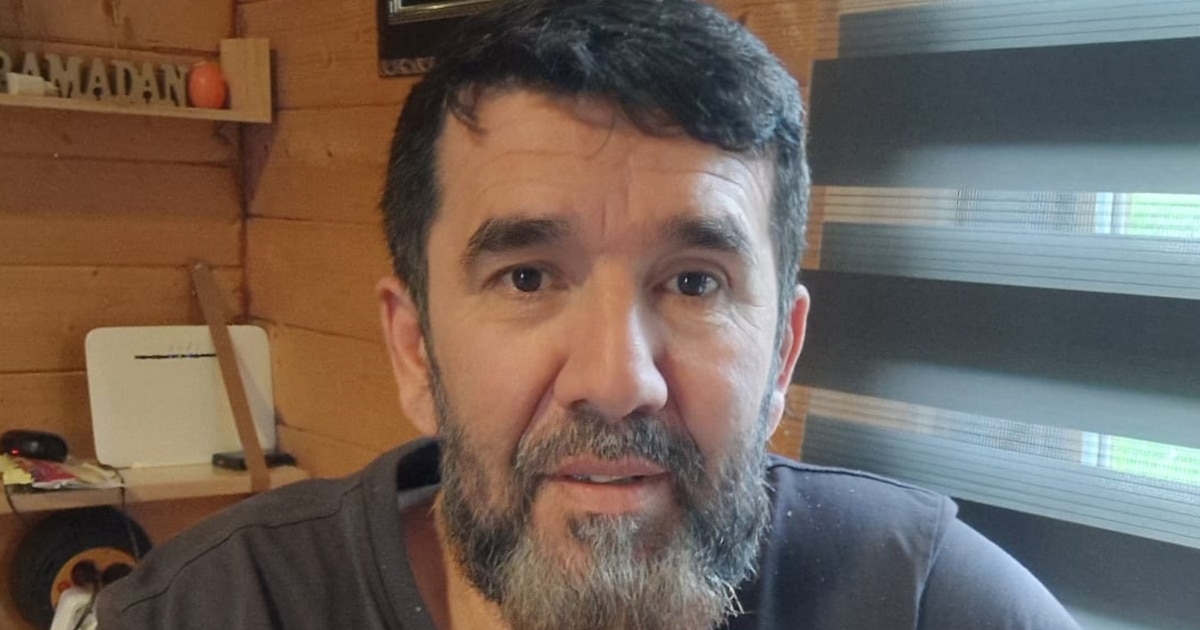
Tajik Opposition Activist in Germany Faces Deportation as Exiles Warn of Arrests and Harsh Sentences on Return
A German court has given Tajik activist Asadullo Boboev until July 1 to show he would face persecution if deported to Tajikistan, where President Emomali Rahmon’s government has intensified repression of opponents. Boboev’s detention has deepened fears among Tajik exiles across Europe after a series of deportations that resulted in lengthy prison terms and allegations of torture.
By Vanessa Bergmann
825 views
A Tajik activist living in Germany has been detained and faces possible deportation back to Tajikistan, a development that has heightened fears among the country’s opposition in exile about forced returns and subsequent imprisonment. Asadullo Boboev, a 54-year-old member of the Europe-based opposition movement «Реформы и развитие Таджикистана» (RRT), was placed in a migrant detention center on June 8 after his temporary residence permit in Cleves, in northwestern Germany, expired. German judges have given him until July 1 to prove that he would be at risk of arrest or persecution if returned to his homeland.
Boboev told Radio Ozodi from the migrant center that Tajik authorities have opened a criminal case against him on charges of extremism, an accusation that the Dushanbe government frequently uses against political opponents and critics. In his native Russian, he said: «Немецкий суд дал мне время до 1 июля, чтобы доказать, что в случае возвращения в Таджикистан я окажусь под угрозой». Boboev left Tajikistan in 2017. His wife and two daughters were reportedly allowed to remain in Germany, but Boboev and his adult son were placed into detention and face deportation proceedings.
The detention has stoked alarm across the Tajik opposition community in Europe, where many activists and leaders fear they could be next. Tajikistan’s President Emomali Rahmon, who has led the country since 1992, has overseen a broad crackdown on dissent in recent years. The authorities have banned the two largest opposition currents — the Islamic Renaissance Party of Tajikistan (ПИВТ) and the movement "Группа 24" — labeling them terrorist organizations and prosecuting many of their members.
Opposition figures and relatives say numerous deportations from European countries have been followed by immediate arrests, closed trials and heavy prison sentences in Tajikistan. RRT leader Sharofiddin Gadoev told RFE/RL that the organization has retained a lawyer to defend Boboev in German court. German authorities had not provided a response to requests for comment from Radio Ozodi at the time of reporting.
Recent cases cited by exiles and activists underscore the stakes. In 2024, activist Farrukh Ikromov was reportedly sentenced to 23 years in prison after being deported from Poland; his trial was closed and the Tajik authorities did not publicly comment on the case. Bilol Kurbonaliev, a member of the banned "Группа 24" who took part in a protest in Berlin in 2023, was deported from Germany in 2023 and later sentenced to ten years behind bars on charges that his supporters dismiss. Hizbullo Shovalizoda, associated with the banned Islamic Renaissance Party, was returned from Germany in 2020 and later sentenced to 20 years on accusations of treason.
Other deportees have reported harsh treatment. Dilmurod Ergashev, expelled from Germany in 2024, was sentenced to eight years on charges of "public calls for extremist activity," which he denied. Relatives of Saidazam Rakhmonov, who had lived in Germany, said he died in custody after being arrested by Tajik security services during a trip to Dushanbe to renew documents; his family reported signs of beatings and electric shocks on his body, and said investigators accused him of religious extremism and plotting a terrorist act despite his lack of formal ties to political organizations.
Activists living in exile say the absence of formal charges listed in Tajik databases does not guarantee safety. European-based politician Farhod Odinaev said German authorities in some asylum cases have required applicants to present evidence of ongoing criminal prosecution in Tajikistan, citing similar demands made of deportees such as Abdullo Shamsiddin and Dilmurod Ergashev prior to their returns and imprisonment. He warned that: "Отсутствие уголовного дела не означает, что человек защищен от преследования." Isomiddin Ashurov, an exiled member of "Группа 24," said relatives in Tajikistan had been shown photographs publicizing him and other family members as wanted, with monetary rewards offered for information about their whereabouts — a development that has deepened fears of surveillance and reprisal.
Human rights advocates say the pattern of deportations followed by detention, closed trials and heavy sentences raises serious questions about the protection of asylum seekers and the obligations of European states under international law. For now, Boboev and his supporters are racing against the court deadline in Germany to marshal evidence of the risk he faces if returned. The outcome of his case will be closely watched by Tajik exiles across Europe, many of whom fear that further deportations could lead to more arrests and long prison terms for opposition figures and critics.