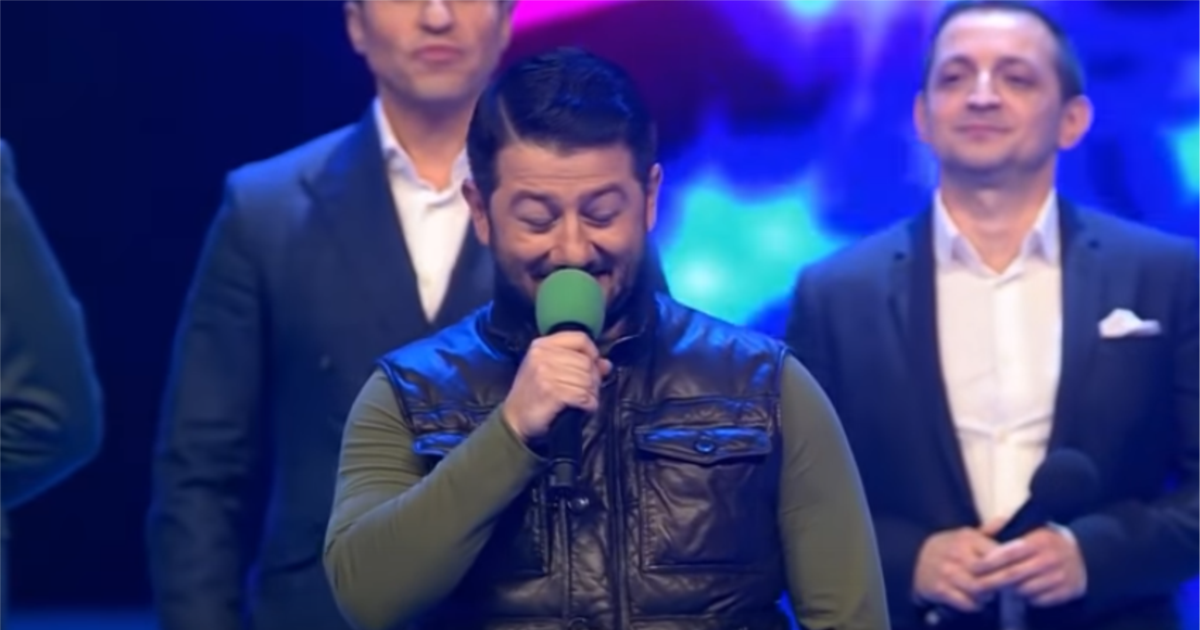
Tajik Builder Removes Social Media Posts of Russian Comedian After Online Backlash Over Portrayal of Tajik Migrants
TAS International Group has deleted videos and photos of Russian comedian Mikhail Galustyan from its social media pages after his September visit to Dushanbe triggered an online outcry among Tajik activists who called the invitation an insult to the nation. The company has not explained the removals, while the episode highlights ongoing tensions over the public portrayal of migrant workers and the responsibilities of businesses and public figures in multiethnic contexts.
By Clémence Desjardins
1,036 views
A Tajik construction company, TAS International Group, has removed from its social media pages footage and photographs showing the presence of Russian comic actor Mikhail Galustyan at an event in Dushanbe, following an online backlash from Tajik activists. Galustyan, who arrived in Tajikistan on September 30 at the company’s invitation, appeared in the materials posted by TAS, which showed him being greeted and taking part in a presentation linked to a construction project. TAS has not publicly explained why it deleted the posts.
The deletions came after activists on Tajik social networks condemned the company’s decision to invite Galustyan and demanded that he be denied entry to the country. Many critics described the invitation as an insult to the Tajik nation, citing past television sketches in which Galustyan’s characters allegedly demean migrant workers from Tajikistan. Galustyan did not respond to the calls and criticism reported on social media.
Galustyan, 46, is best known in Russia for his roles in the satirical television series “Nasha Russia.” In 2010, sketches from that program sparked protest among Tajik migrants and activists because they included characters—commonly referred to by the names Ravshan and Jamshud—portrayed as uneducated labor migrants and shown speaking a caricatured version of Tajik. Activists at the time labeled those portrayals humiliating and discriminatory toward Tajiks working abroad.
Observers said the recent controversy underscores ongoing tensions over the public depiction of migrant communities and the responsibility of companies and entertainers to avoid content perceived as xenophobic. TAS had initially posted photos and a video showing a traditional bread-and-salt welcome for Galustyan and his participation in a project presentation in Dushanbe. After the online outcry, those items were removed but no formal statement was issued by the firm explaining the change.
The episode comes amid a broader regional context where the rights and welfare of Tajik migrant workers remain highly sensitive. The Russian government recently designated a national medical research center to carry out medical examinations for Tajik labor migrants, the Russian health minister Mikhail Murashko announced on September 28. Officials said representatives of that center will check migrants’ health in Tajikistan prior to departure; the service is also intended to facilitate the organized transfer of groups of workers to jobs in Russia. An agreement on health screening for migrants was signed by Tajik and Russian authorities in October 2025 and was subsequently ratified by both countries’ parliaments, the report said.
Human-rights advocates say such administrative arrangements raise questions about the transparency and accessibility of medical services for migrants and whether pre-departure screening will actually reduce bureaucratic obstacles migrants face when seeking work abroad. The Tajik health ministry had not provided details on how and where the Russian-designated screening facilities would operate.
Separately, security services in the breakaway region of Abkhazia announced the arrest of a 36-year-old Tajik national, Khurshid Oimatov, accusing him of promoting extremist Islamic views and openly supporting terrorist activities via the internet. Abkhaz authorities posted a video on social media showing the arrest and said Oimatov was detained in cooperation with Russia’s Federal Security Service (FSB) and transferred to investigators; his response to the charges was not made public. Human-rights groups often warn that extremism charges in the region can be used with insufficient due process.
Domestic rights concerns in Tajikistan also returned to the fore with the start of the autumn military conscription campaign on October 1. State media reported ceremonial send-offs and officials claimed full compliance with draft quotas, but some parents told Radio Ozodi they had been pressured into returning sons who were abroad in order to ensure they were conscripted. Reports over the past year by the broadcaster included accounts of soldiers’ deaths in service and allegations that individuals with disabilities have been called up, raising questions about recruitment practices and conscripts’ welfare.
On the diplomatic and security front, ministers of internal affairs from eight countries, including Russia, convened in Dushanbe on October 1 to discuss cooperation against terrorism and organized crime. Tajik officials said the meeting emphasized combating modern criminal methods, including the misuse of new technologies to facilitate drug trafficking, terrorism, and online radicalization of youth.
Taken together, the stories collected by local reporters point to interconnected challenges: grievances over public stereotyping and xenophobia toward migrants, administrative moves that affect migrants’ rights and mobility, the use of security legislation in contested jurisdictions, and domestic concerns about conscription and soldiers’ safety. The removal of Galustyan’s images by TAS is the latest flashpoint in a region where cultural representation, corporate choices and state policies intersect with questions of dignity, accountability and the protection of vulnerable populations.