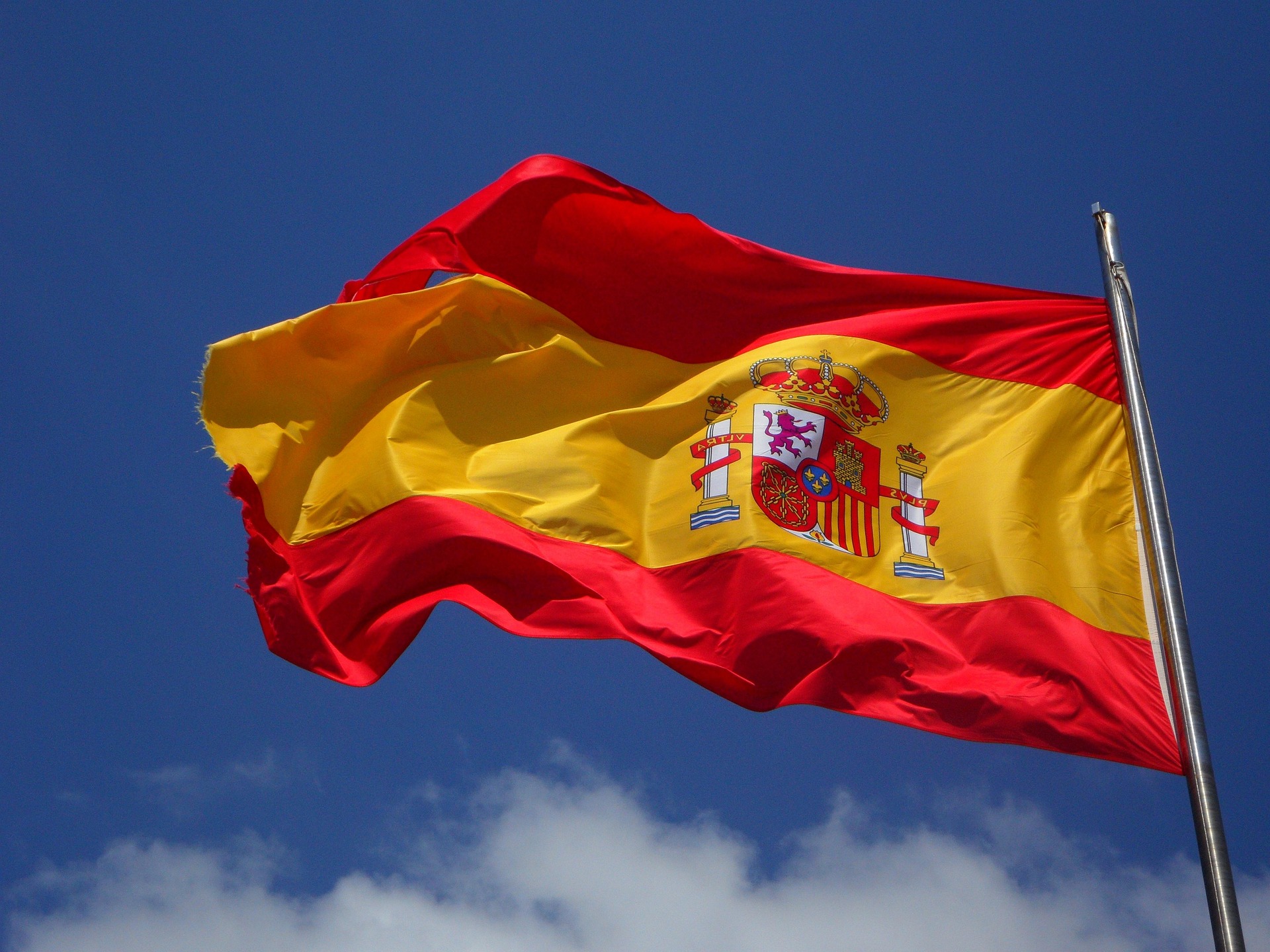
Spanish Society Ahead of the Upcoming General Election on November 29
Spain’s November 29 election is set to test Pedro Sánchez’s leadership as the housing crisis, rising living costs and divisions on the left reshape the political landscape. The conservative People’s Party and Vox are seeking a parliamentary majority, while uncertainty over coalition-building could determine the country’s next government.
By Juan Pablo Torrents-Faura
931 views
Spain is heading into an early general election on November 29 amid deepening political polarisation and mounting concerns over the cost of living. Housing affordability, immigration, the economy and trust in public institutions are emerging as key issues likely to shape the outcome.
Prime Minister Pedro Sánchez called the snap election on October 5, announcing the dissolution of Parliament. The campaign will run from November 13 to 27, with voters going to the polls on Sunday, November 29. According to Spain’s National Statistics Institute, 38.7 million people are eligible to vote, including approximately 2.77 million Spanish citizens living abroad.
Housing Takes Centre Stage
The housing crisis has become one of the biggest sources of public discontent, particularly among young people and low- and middle-income households. Soaring rents, a shortage of available properties in major cities and the growing difficulty of buying a first home have fuelled a widespread sense that economic growth is failing to translate into tangible improvements in living standards, particularly for the middle class.
Sánchez has championed government intervention and social policies as necessary responses to the crisis. His proposals, however, have encountered parliamentary resistance and criticism from opposition parties, which argue that the measures introduced so far have fallen short.
Housing is likely to be a key test of political credibility during the campaign. Voters will be looking beyond election promises to assess whether the parties’ proposals are realistic and whether they can deliver meaningful improvements without further restricting supply.
The Right Eyes a Parliamentary Majority
The conservative People's Party (PP), led by Alberto Núñez Feijóo, hopes to capitalise on growing dissatisfaction with the Socialist-led government. Its main challenge is to turn favourable polling figures into a parliamentary majority and a credible path to power.
Vox, a party further to the right of the PP, has made immigration, public security and national unity central themes of its political platform.
Opinion polls published ahead of the campaign suggest that the two parties could secure enough seats to command a majority in Congress. However, polling is only a snapshot of voter sentiment, and the outcome remains uncertain. Even if the right secures a majority, the PP and Vox would still need to agree on a governing programme and the terms of cooperation.
Spain’s electoral system adds another layer of uncertainty. The distribution of seats across provincial constituencies, voter turnout and the decisions of undecided voters could all prove decisive in determining who forms the next government.
A Fragmented Left
The left-wing camp is entering the election divided, with efforts to coordinate its strategy falling short. Negotiations between Sumar, a broad left-wing coalition, and Podemos, a party further to the radical left, have failed to produce a nationwide agreement. Disputes over candidate lists and political leadership risk splitting the vote to the left of Sánchez’s Spanish Socialist Workers’ Party (PSOE) in several constituencies.
That division could carry a significant electoral cost. Spain’s electoral system tends to disadvantage smaller parties that compete separately, particularly in provinces with relatively few parliamentary seats. A fragmented left could therefore make it harder for Sánchez to remain in office, although the outcome will also depend on regional political dynamics and each party’s ability to mobilise its supporters.
More Than a Change of Government
Beyond the immediate contest for power, the election will expose competing visions of Spain’s economic and social future. The role of the state, immigration policy, public services and relations between Madrid and the country’s autonomous communities are all likely to feature prominently in the campaign.
For many voters, however, the decisive questions will be practical rather than ideological: whether wages can keep pace with living costs, whether homeownership remains within reach and whether public institutions can regain citizens’ confidence.
The next government could face a fragmented Parliament in which passing legislation and approving budgets require lengthy negotiations. A clear majority would offer a more straightforward route to governing, while a divided result could usher in another period of political bargaining and uncertainty.
The November 29 election will determine who takes the reins of government at the Moncloa Palace, the official residence of Spain’s prime minister. But it will also serve as a broader test of public confidence in the country’s political establishment and competing visions for its future.