Six Months After Launch, Moldova’s e-Zilier Registers About 1,600 Day Laborers; Many Are Pensioners
About 1,600 day laborers have registered on Moldova’s e-Zilier platform in the six months since it was launched as a state tool to monitor seasonal workers. A significant share of those enrolled are pensioners who say they are compelled to continue working to meet daily expenses, underscoring concerns about social safety nets and the rights of vulnerable workers.
By Clémence Desjardins
927 views
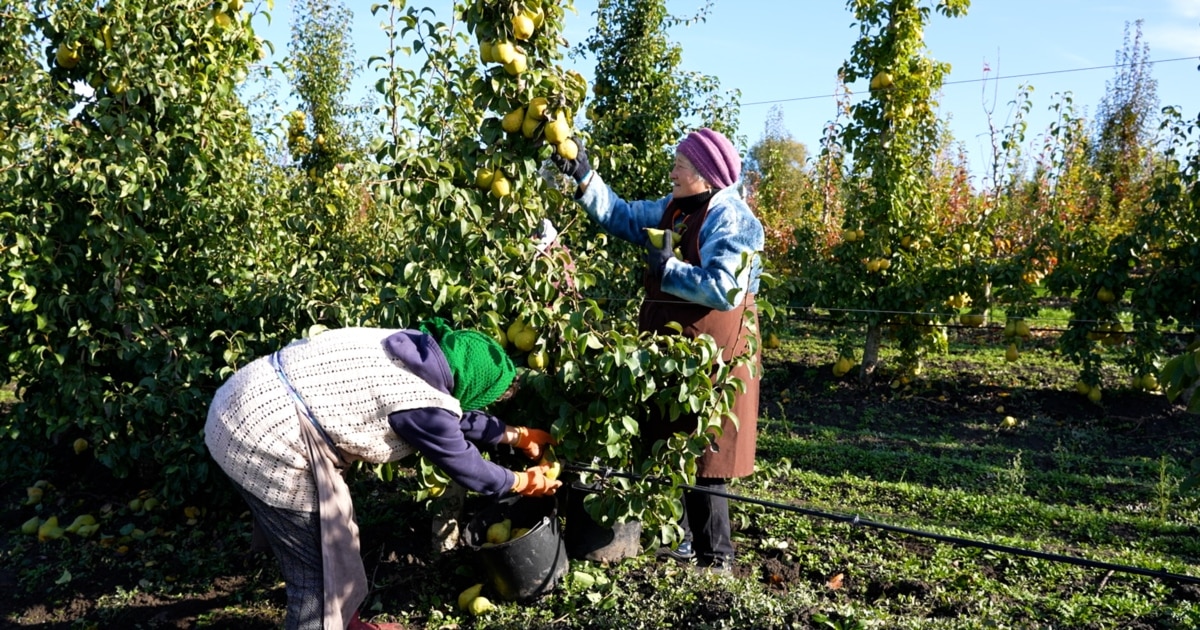
Moldova’s state-run e-Zilier platform has recorded roughly 1,600 registered day laborers in the six months since its introduction, officials say, as the government seeks a digital mechanism to track seasonal and casual work. The platform, intended to provide an official record of short-term employment, has drawn attention not only for its uptake but for the social profile of many registrants: a notable number are pensioners who report that, despite retirement, they must continue to take day jobs to cover everyday costs.
The e-Zilier system was launched to create a formal registry of seasonal workers, enabling authorities to document short-term employment, help enforce labor standards and possibly improve tax and social-record accuracy. In practice, many of the people who have used the platform so far appear to be older citizens supplementing modest pensions rather than young, mobile seasonal laborers seeking temporary work during harvests.
Reports from the field indicate that pensioners — a group particularly vulnerable to economic hardship — are turning to day labor to meet basic needs. Those who registered on e-Zilier told reporters they had little choice but to keep working to pay for daily expenses. Their participation raises questions about the adequacy of pension levels and wider social-protection mechanisms meant to prevent senior citizens from falling into working poverty.
The introduction of e-Zilier illustrates a broader trend toward digital registration of labor, which carries potential benefits and risks. On the positive side, an accurate registry can help authorities monitor employment patterns, ensure that workers receive legal protections and potentially extend benefits or emergency assistance to those who need it. At the same time, digital registration schemes must be accessible to older and rural populations, protect personal data and not become a substitute for addressing the underlying economic causes that force people to work in retirement.
For pensioners and other low-income day laborers, the platform’s existence does not itself resolve structural problems: low pension income, limited access to healthcare and social services, and seasonal fluctuations in employment opportunities. Observers and advocates of social rights argue that registering vulnerable people is only a first step; meaningful relief requires targeted social policies, increased pensions where needed and better enforcement of labor protections for casual workers.
The uptake figure — about 1,600 registrations — provides an initial snapshot but leaves many questions unanswered. How many registered workers receive formal protections, how the data will be used by authorities, whether registration leads to improved wages or social benefits, and how accessible the platform is to people in rural areas remain matters for monitoring and public accountability.
Civil-society groups, labor advocates and human-rights observers will likely watch the e-Zilier rollout for evidence that digital tools are being deployed to improve workers’ conditions rather than merely to produce administrative records. For pensioners relying on day work to survive, the stakes are tangible: registration on an electronic platform must translate into concrete policy follow-through that addresses the underlying insufficiency of social support.
As Moldova continues to modernize public administration and labor oversight, the experience of those who have used e-Zilier will be a key indicator of whether technology is expanding protections for vulnerable workers or simply documenting a trend of working poverty among the elderly. Further reporting and public scrutiny will be necessary to assess the platform’s impact on the rights and livelihoods of seasonal laborers and pensioners across the country.