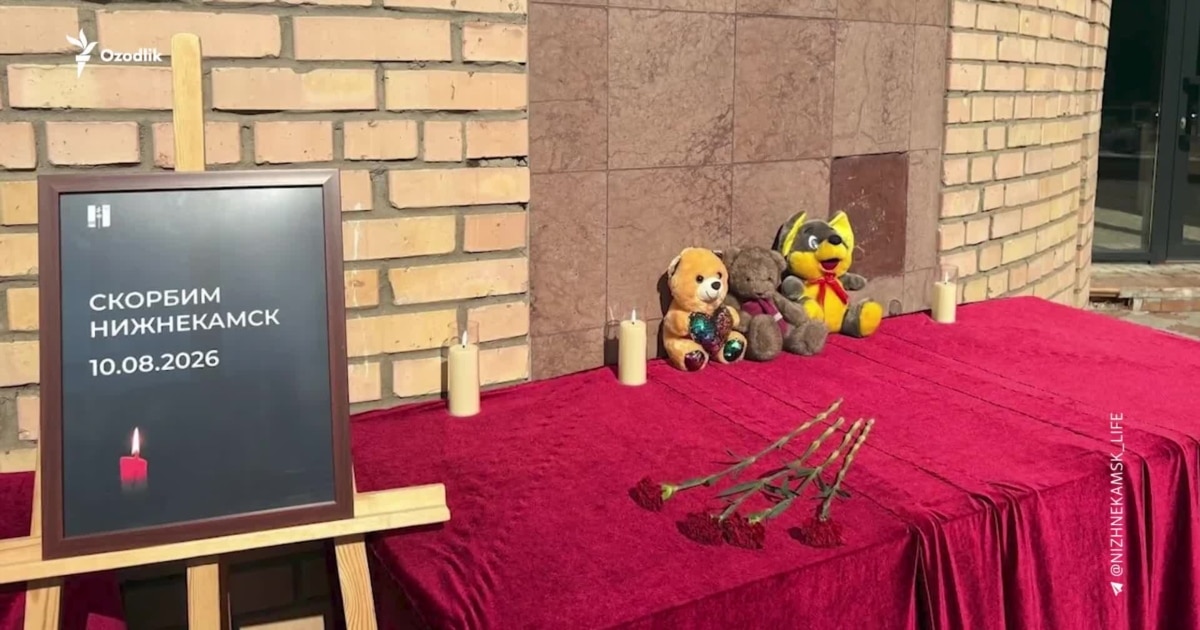
Seven Uzbek Citizens Killed in Drone Strike on Russia’s Nizhnekamsk, Consulate in Kazan Says
Uzbekistan’s consulate in Kazan has confirmed that seven Uzbek citizens died in a drone attack on Nizhnekamsk in the Republic of Tatarstan, Russia. Authorities have released few details so far, prompting concerns about the safety of foreign nationals in conflict-affected areas and the need for consular assistance and inquiry into the attack.
By Alexander Walter
1,038 views
Seven citizens of Uzbekistan were killed in a drone strike on the city of Nizhnekamsk in the Republic of Tatarstan, Russia, the Uzbek consulate in Kazan confirmed. The consulate statement, cited by Ozodlik (the Uzbek service of RFE/RL), provided the figure but offered little further detail about the victims’ identities, the precise circumstances of the attack, or the date and time of the incident.
Nizhnekamsk, a city in Tatarstan, was identified as the site of the drone strike that claimed the lives of the seven Uzbek nationals. At this stage, publicly available information is limited to the consulate’s confirmation; no additional official statements from Russian regional or federal authorities were included in the report. The consulate’s notification is the principal source establishing the nationality and number of those killed.
The deaths underscore the vulnerability of foreign nationals in areas affected by military activity or cross-border hostilities. Uzbek citizens living and working abroad can be among the most exposed groups during escalations of violence, and incidents that cause civilian casualties often raise urgent consular, humanitarian, and legal questions about protection, victim identification, and support for families.
Consular confirmation typically triggers a sequence of actions intended to assist victims’ relatives, repatriate remains where requested and possible, and provide official documentation and support. The statement from the Kazan consulate implies that Uzbekistan’s diplomatic mission in the region is aware of the fatalities, but the available report does not specify what measures are being taken to assist the victims’ families or whether inquiries or investigations are being pursued with Russian authorities.
The limited information also leaves open key questions about responsibility for the strike, the intended target, and whether the victims were civilians unaffiliated with any armed groups. Until independent verification or more detailed official accounts are made public, the circumstances around the attack remain unclear. The deaths add to wider international concerns about the protection of civilians and third-country nationals when military technologies such as drones are deployed in populated areas.
Human rights and humanitarian organizations typically call for prompt, transparent investigations whenever strikes result in civilian deaths, including disaggregated information on victims, circumstances of death, and any steps taken to prevent future incidents. For governments, such events can create diplomatic pressure to clarify facts, extend consular assistance, and ensure accountability where wrongful harm to civilians is alleged.
The confirmation by Uzbekistan’s consulate in Kazan will likely prompt further inquiries from Tashkent and from relatives seeking more information. Media organizations and rights groups may press for greater transparency, and the affected families will be waiting for details about recovery of remains, avenues for legal remedy, and official recognition of their loss. As of the consulate’s statement, the primary verified fact remains the tragic death of seven Uzbek citizens in a drone attack on Nizhnekamsk, with broader implications for civilian protection and consular responsibilities in regions affected by hostilities.