Serbia’s October Vote Faces Scrutiny as Legal Reforms Fail to Quiet Concerns over Voter Pressure and Media Safety
Serbia has set parliamentary elections for October 25, but questions persist about whether legal changes enacted this year have meaningfully improved electoral conditions. International observers are preparing a full ODIHR mission and domestic NGOs say that pressure on voters, misuse of public resources and threats to journalists remain serious problems.
By Vanessa Bergmann
1,030 views
Serbia will go to parliamentary elections on October 25, President Aleksandar Vučić confirmed on September 8, reopening debate over the fairness and safety of the country’s electoral environment. Although the government points to a package of legal amendments as evidence of progress and alignment with international recommendations, domestic civil society groups and international observers say many longstanding problems from the last parliamentary cycle remain unresolved.
Since the contested December 2023 parliamentary vote, which opposition parties, non-governmental organisations and some international monitors said was marred by serious irregularities, pressure on voters, and misuse of public resources, Serbia’s parliament has adopted several changes to electoral and anti-corruption legislation. Authorities present these reforms as a direct response to recommendations from the Office for Democratic Institutions and Human Rights (ODIHR) of the OSCE.
Among the measures passed in 2025 and 2026 are the establishment of a Commission for the Revision of the Voter Register, new rules on political financing, and amendments to the Law on the Prevention of Corruption. In May 2026, four election laws were amended, including a provision allowing voters to support more than one electoral list — a change explicitly recommended by international observers. Late in August, further changes to the anti-corruption law introduced restrictions on so-called funkcionerska kampanja (functionaries’ campaigning), barring public officials from using their official functions at political rallies and prohibiting the use of public resources for political promotion.
The government and ruling officials have highlighted the reforms as strengthening legal safeguards. "Na milion i jedan način smo dodatno unapredili izborne uslove, upravo zato da niko ne bi mogao da rezultate tih izbora, kakvi god bili, dovede u pitanje," Ana Brnabić, president of the National Assembly and a member of the ruling party, told the Tanjug news agency in late July.
Despite the legislative changes, ODIHR has said it cannot pre-judge whether conditions have improved relative to 2023 and will assess the full electoral cycle only after observing the process in its entirety. The office has signalled readiness to deploy a full election observation mission for the upcoming vote. In a July 2026 report the ODIHR noted that Serbia had implemented some prior recommendations but that numerous long-standing suggestions remained only partially addressed or unimplemented. The report also noted interlocutors’ concerns about reported pressure on voters, unequal conditions for election participants, the state of the media and journalists’ safety. ODIHR recommended a full mission comprising 32 long-term and 300 short-term observers.
Domestic watchdogs remain sceptical that legal changes will translate into meaningful improvements on the ground. "Mislim da se stanje u odnosu na taj period bitno pogoršalo," Nemanja Nenadić, programmes director at Transparentnost Srbija, said, arguing that enactment of laws has not resulted in improved conditions because institutions charged with enforcing those laws have failed to act impartially or proactively. Nenadić pointed to an enduring problem with functionaries’ campaigning and said enforcement agencies — naming the anti-corruption agency, police and public prosecution offices — have demonstrated either unwillingness to investigate alleged breaches or open bias.
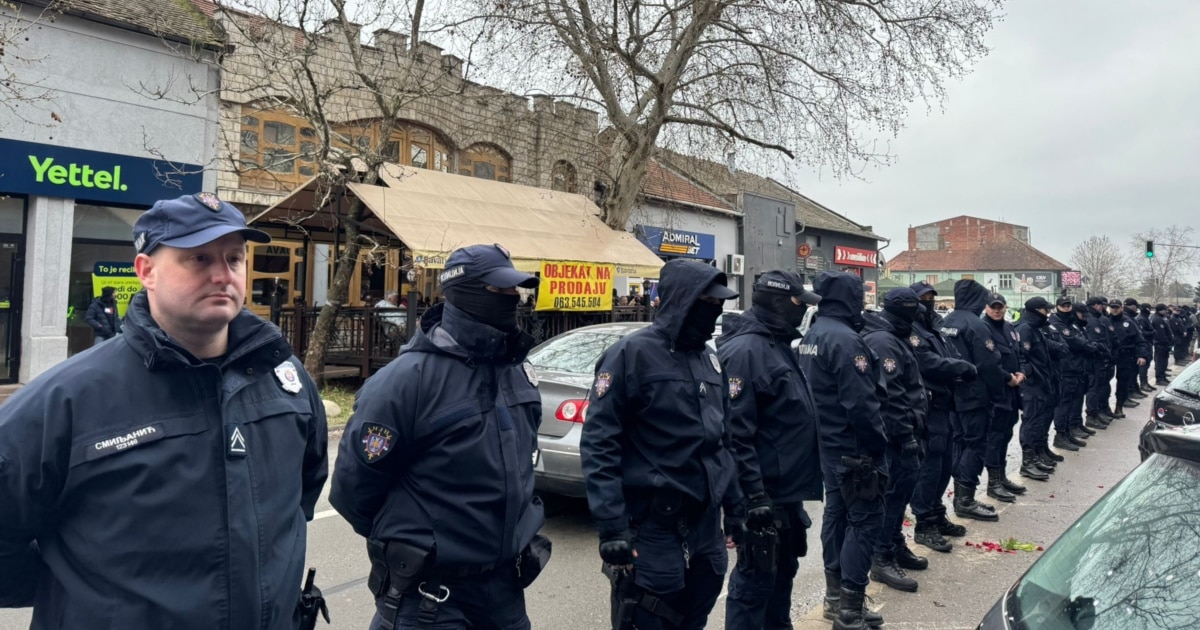
Recent local elections in March 2026 have added to concerns. Elections held in ten municipalities were accompanied by incidents that included aggressive confrontations, the presence of police on the streets, and reported violations of the secrecy of the ballot. The ruling Serbian Progressive Party (SNS) declared victory in all ten municipalities, while the Congress of Local and Regional Authorities of the Council of Europe reported witnessing violence in almost every municipality its delegation visited. OSCE monitors recorded what they described as an "unprecedented" level of attacks on journalists during those local polls.
Civic groups such as Crta have documented alleged cases of misuse of public resources and pressure on voters even before the formal announcement of the parliamentary vote. The government rejects these accounts as politically motivated attempts by opponents to delegitimise the electoral process, and has accused some opposition activists of provocation and violence.
The October elections come amid broader political turmoil: calls for early elections have been persistent since student-led protests in 2025, sparked by the collapse of a station canopy in Novi Sad in November 2024 that killed 16 people. Government officials have repeatedly suggested that early national elections were likely, and President Vučić has said he intends to step down from the presidency before the end of his term in April 2027.
With ODIHR preparations underway and domestic watchdogs sounding alarms, attention will focus on whether Serbia’s legal reforms are effectively enforced, whether election administration operates impartially, and whether the security and freedom of journalists and voters are protected in the lead-up to and during voting on October 25.