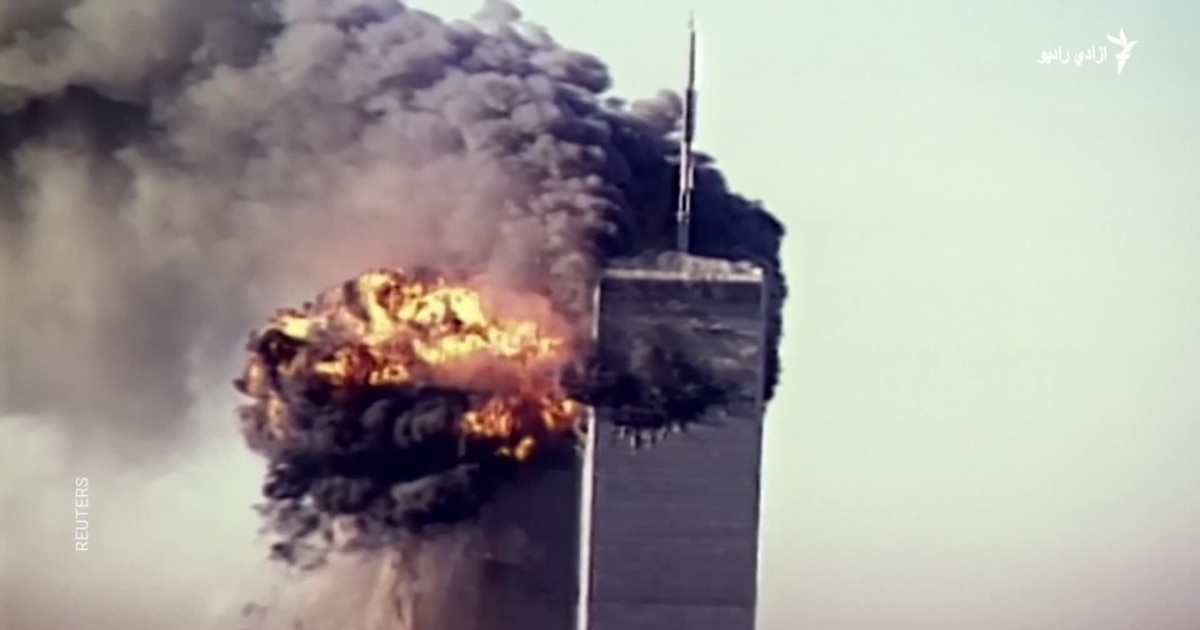
September 11, 2001 and Its Aftermath in Afghanistan: Twenty-Five Years On
On September 11, 2001, al-Qaeda carried out deadly attacks in the United States, killing roughly 3,000 people in a single day. The attacks prompted a U.S.-led military campaign in Afghanistan intended to dismantle al-Qaeda and remove the Taliban from power. As the 25th anniversary of those events is marked, questions persist about how Afghanistan has been shaped by those interventions and what that legacy means for security, governance and human rights inside the country.
By Christopher Manley
1,054 views
On September 11, 2001, the United States experienced a coordinated set of attacks carried out by the extremist group al-Qaeda that killed approximately 3,000 people in a single day. The scale and severity of those attacks prompted an immediate international outcry and a decisive military response by the United States. Washington launched operations in Afghanistan with the stated aim of eliminating al-Qaeda operatives believed to be based there and of removing the Taliban leadership that had provided sanctuary to the group.
The initial military campaign succeeded, by Washington's account, in disrupting al-Qaeda’s immediate operational capabilities and in dislodging the Taliban leadership that had governed parts of Afghanistan prior to the intervention. Those early changes marked a dramatic turning point for Afghanistan, setting in motion more than two decades of international engagement, conflict and political transformation. The intervention and its consequences have become central reference points in debates over counterterrorism policy, foreign military intervention and the protection of civilians in conflict.
Now, a quarter-century after the September 11 attacks, observers, rights groups and Afghans alike continue to ask how Afghanistan fared in the long shadow of those events. The simple chronology—attack, U.S. military response, toppling of the Taliban's initial rule—leaves open a far more complex set of questions about the country’s subsequent political, social and human-rights trajectory. Those questions remain pressing for affected communities, for regional neighbors and for the international community that engaged in Afghanistan for decades.
Key areas for assessment include security and stability: how patterns of violence and armed conflict evolved inside Afghanistan; the presence or absence of armed groups; and the ability of Afghans to live without the threat of large-scale violence. Equally important are questions of governance and the rule of law: whether institutions of the state served citizens’ rights and needs, if public services reached ordinary people, and how political authority was exercised.
Human-rights conditions are central to any evaluation. This includes the protection of civilians during armed operations, respect for fundamental freedoms, and the particular situation of women, minorities and other vulnerable groups. Humanitarian access and the delivery of assistance to displaced and impoverished populations also form part of the broader rights picture that must be examined when assessing the legacy of the post‑9/11 period.
Accountability for abuses and for decisions made during and after the intervention is another important dimension. Whether domestic or international mechanisms existed to investigate, document and remedy serious violations of human rights and humanitarian law — and whether victims had avenues for redress — are matters that affect both justice and reconciliation.
Finally, the international and regional implications of the 2001 intervention remain relevant. The Afghan case has influenced debates on counterterrorism strategy, foreign military engagement, refugee flows, and regional diplomacy. How these broader dynamics intersected with — and in some cases aggravated — Afghanistan’s internal challenges is a subject of ongoing scrutiny.
Marking the anniversary of September 11 invites reflection not only on the immediate human toll of the attacks but also on the long-term consequences for Afghan society and for global approaches to security and rights. As policymakers, rights organizations and affected communities weigh those outcomes, the focus on transparency, accountability and protection of fundamental rights remains crucial to understanding and addressing the legacy of nearly a quarter-century of intervention and conflict linked to the events of that day in 2001.