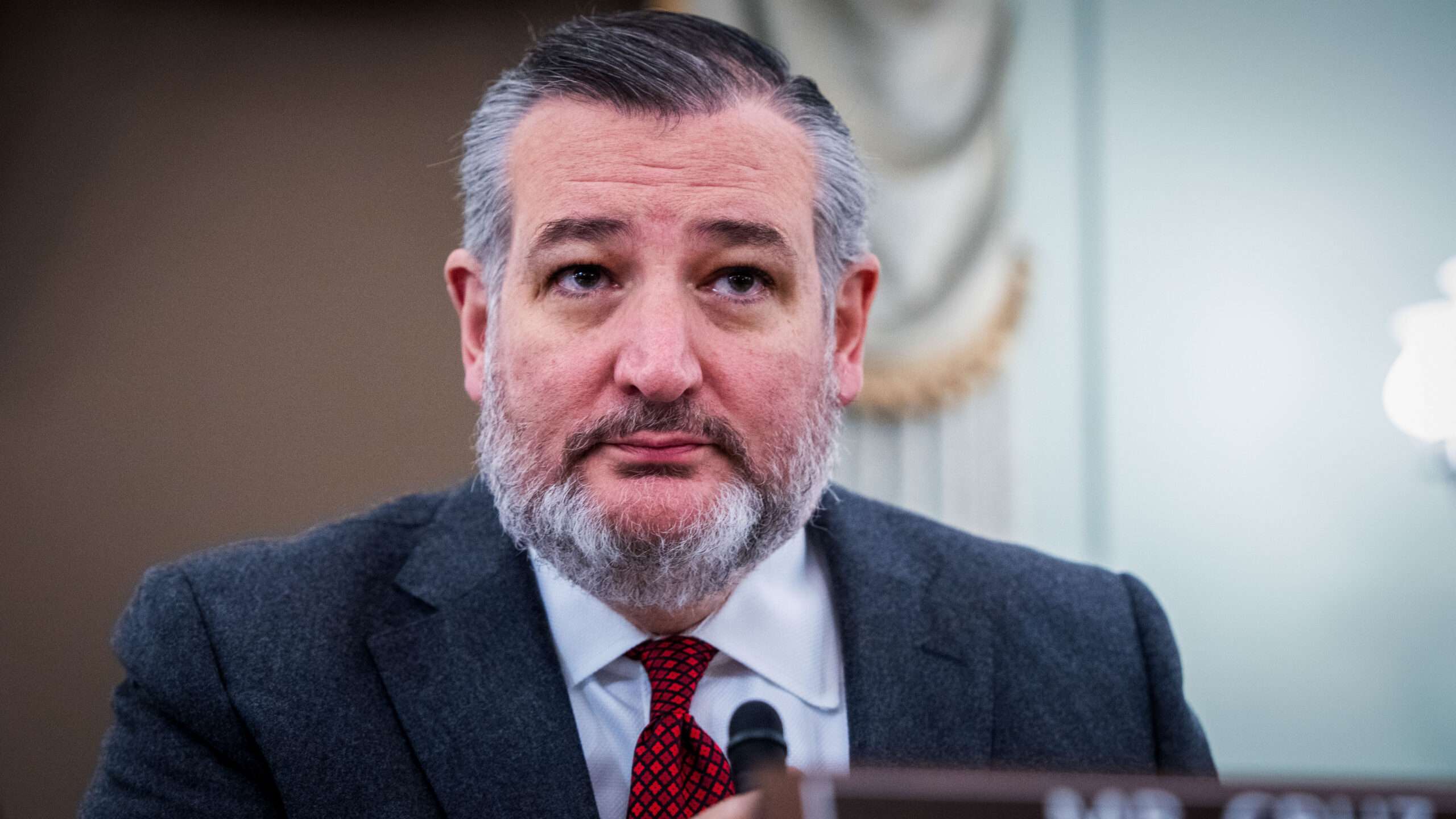
Senate hearing spotlights renewed fight over Section 230 protections for online speech
Lawmakers and policy experts sparred this week over Section 230, the 1996 Communications Decency Act provision that shields online platforms from liability for third-party content. Supporters warned that repealing or sunsetting the law would push platforms to censor more heavily and could stifle small competitors, while critics from both parties urged reforms to hold tech companies accountable for harmful or deceptive content.
By J.D. Tuccille
1,075 views
This week the U.S. Senate Commerce Committee convened to examine Section 230 of the Communications Decency Act, the three-decade-old statutory provision widely credited with enabling the modern internet by shielding online platforms from liability for content posted by third parties. The hearing brought into sharp relief divergent views in Washington over whether those protections remain essential to free expression online or whether they enable platforms to avoid accountability for harmful material.
Committee Chairman Sen. Ted Cruz (R–Texas) opened the proceedings with a concise history of how the law emerged to address a legal dilemma courts confronted in the early internet era. As Cruz explained, platforms previously faced a binary choice: remain entirely hands-off toward user speech and risk hosting illegal or odious content, or assume publisher liability and thereby be compelled to moderate everything. Section 230 created a middle ground, Cruz said, shielding intermediaries so that comments sections, discussion boards and social networks could function without making platforms the legal “publisher or speaker” of information provided by others.
Cruz framed Section 230 as a bulwark against a return to media gatekeepers. “It was only a short time ago that speech and newsworthiness was controlled by a handful of TV networks and giant newspaper publishers,” he said, arguing the internet democratized who can shape public debate. He also criticized perceived regulatory and political pressures on platforms, including actions during the Biden administration that some lawmakers say suppressed criticism of public health policy and limited discussion of stories such as Hunter Biden’s laptop. Cruz signaled concern that fully repealing Section 230 would prompt platforms to over-censor to avoid litigation and suggested that some regulatory powers, including aspects of FCC authority, deserve scrutiny.
Testimony and written commentary presented to senators underscored that concern. Policy experts from free-speech and civil-liberties organizations warned that removing Section 230’s protections would chill the very kinds of user-generated speech the internet has made possible. Aaron Terr of the Foundation for Individual Rights and Expression wrote in 2023 that, “Without Section 230, websites would be left with a menu of unattractive options to avoid lawsuits over their users' speech,” noting that many sites might abandon hosting user contributions altogether. After a 2024 House hearing, Jenna Leventoff, senior policy counsel at the ACLU, argued that Section 230 “has created space for social movements; enabled platforms to host the speech of activists and organizers; and allowed users and content creators on sites like Instagram, TikTok, and Twitch to reach an audience and make a living.”
Scholars from free-market and privacy-oriented institutions echoed those warnings. David Inserra of the Cato Institute described Section 230 as “a cornerstone of how online speech works in the United States,” and cautioned that expanding platform liability would entrench large incumbents by imposing legal and compliance costs smaller and newer firms could not absorb, reducing competition and innovation.
Despite those defenses, lawmakers from both parties have pushed for changes. Senators Lindsey Graham (R–S.C.) and Dick Durbin (D–Ill.) have sponsored a bipartisan bill that would sunset Section 230, and other committee members including Sen. Marsha Blackburn (R–Tenn.) and Sen. Amy Klobuchar (D–Minn.) have signed on. Graham has been vocal about his support for repeal, saying in December that he was “extremely pleased that there is such wide and deep bipartisan support for repealing Section 230, which protects social media companies from being sued by the people whose lives they destroy,” and accusing tech firms of profiting from “some of the most unsavory content and criminal activity imaginable.”
Supporters of repeal argue that platforms have too often failed to police illegal or harmful material and profit from advertising tied to objectionable content. Opponents counter that, without Section 230, platforms would adopt aggressive moderation to reduce legal risk, shrinking the diversity of viewpoints and returning influence to a small set of large media gatekeepers. They also warn that the practical effect of increased liability would be to favor established giants such as Facebook and Google, which could better absorb compliance costs, while deterring newcomers and niche services.
The hearing highlighted a deeply polarized landscape in which committee members largely arrived with settled positions. The stakes laid out at the hearing are consequential: Congress could choose to preserve Section 230 and thereby maintain the current legal framework that supports broad user-generated speech online, craft targeted reforms to address specific harms, or move toward legislative changes that critics warn could reshape platform moderation, competition and the public conversation online. For now, the debate continues, with senators and outside experts making contrasting cases about how best to balance accountability, safety and free expression in a fast-evolving digital ecosystem.