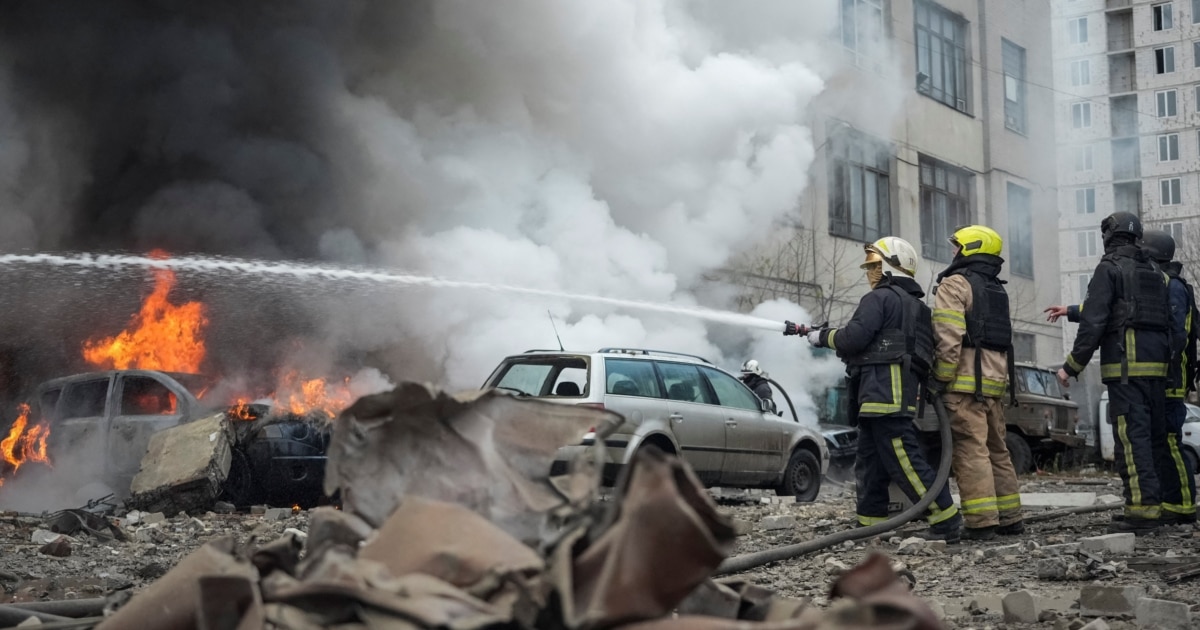
Russian Strikes on Power Infrastructure Leave 600,000 Without Electricity, Disrupt Hospitals and Transport
A wave of Russian strikes on Ukraine’s energy network on November 8 plunged hundreds of thousands into darkness, forced hospitals to switch to diesel generators and halted electric public transport in Dnipro. Ukrainian officials reported civilian deaths and injuries while power crews struggled to restore supplies under continuing shelling.
By Ray Furlong
973 views
Russian attacks on Ukraine’s energy infrastructure on November 8 left around 600,000 people without electricity in Dnipropetrovsk region and caused widespread outages across other parts of the country, Ukrainian officials said, intensifying an offensive that Kyiv says is aimed at degrading civilian services ahead of winter. Regional military chief Oleksandr Hanzha reported that hospitals in Dnipro were forced onto diesel generators and that electric-powered public transport had come to a halt as power-company crews worked to restore supply under ongoing shelling.
President Volodymyr Zelenskyy said the strikes were part of an effort to apply maximum pressure on Ukraine, accusing Moscow of trying to “plunge the entire country into a blackout” ahead of upcoming trilateral talks in Abu Dhabi. Zelenskyy also reported widespread outages elsewhere, noting that in Zhytomyr region alone a Russian strike left 140 apartment buildings without heating, underscoring the risk to civilians as temperatures fall.
Ukrainian armed forces said the overnight assault included strikes launched from the Sea of Azov using three Kh-59/69 guided missiles and an unprecedented wave of 164 strike drones, 112 of them jet-powered. Air defenses reportedly intercepted 137 drones, but several attacks nonetheless struck populated areas. Officials in Dnipro said a drone hit a private residence and caused a fire; another strike in the city killed one civilian and injured another. In the nearby Poltava region, four people were injured in separate attacks.
The attacks form part of a broader campaign Moscow has intensified since late September targeting power generation and supply, water systems, sewage, and heating—a pattern Kyiv and Western analysts warn is designed to increase civilian suffering in winter months. In October, RFE/RL reported obtaining a detailed Russian document from the Ukrainian armed forces that Ukraine says outlines a blueprint for this year’s campaign against essential utilities.
Russia’s Defense Ministry claimed strikes on November 8 had hit an electricity substation that the ministry said supplied power to Ukrainian defense-industry enterprises and that a container ship in the Black Sea delivering weapons had also been struck. Russian regional authorities reported cross-border incidents as well: officials in Kursk region, which borders Ukraine, said a 40-year-old man was killed when a tractor was struck in a drone attack. Battlefield claims from both sides could not be independently verified.
Local power company workers have been mobilized to repair damaged infrastructure, but their efforts have been hampered by repeated strikes and the risk of further attacks, Hanzha said. The interruption of electricity has immediate knock-on effects for civilian life—apart from hospitals resorting to backup generators and the suspension of electric public transport, heating systems and water supplies dependent on pumped services are also at heightened risk of failure as winter approaches.
Humanitarian and legal implications of sustained strikes on civilian infrastructure remain acute. Targeting essential services such as electricity and heating can have disproportionate effects on civilians and may raise questions about compliance with international humanitarian law, which protects civilian infrastructure unless it is being used for military purposes. Kyiv and many international observers have characterized the campaign as intended to break civilian morale and pressure the government through hardship.
The strikes on November 8 add to a months-long pattern of energy-targeted attacks that Kyiv says are part of Moscow’s strategic plan. With talks scheduled in Abu Dhabi and winter conditions approaching, the disruptions to power and heating services increase the immediate humanitarian stakes and raise urgent questions about accountability, civilian protection, and the capacity of Ukraine’s emergency services to respond while under continued attack.