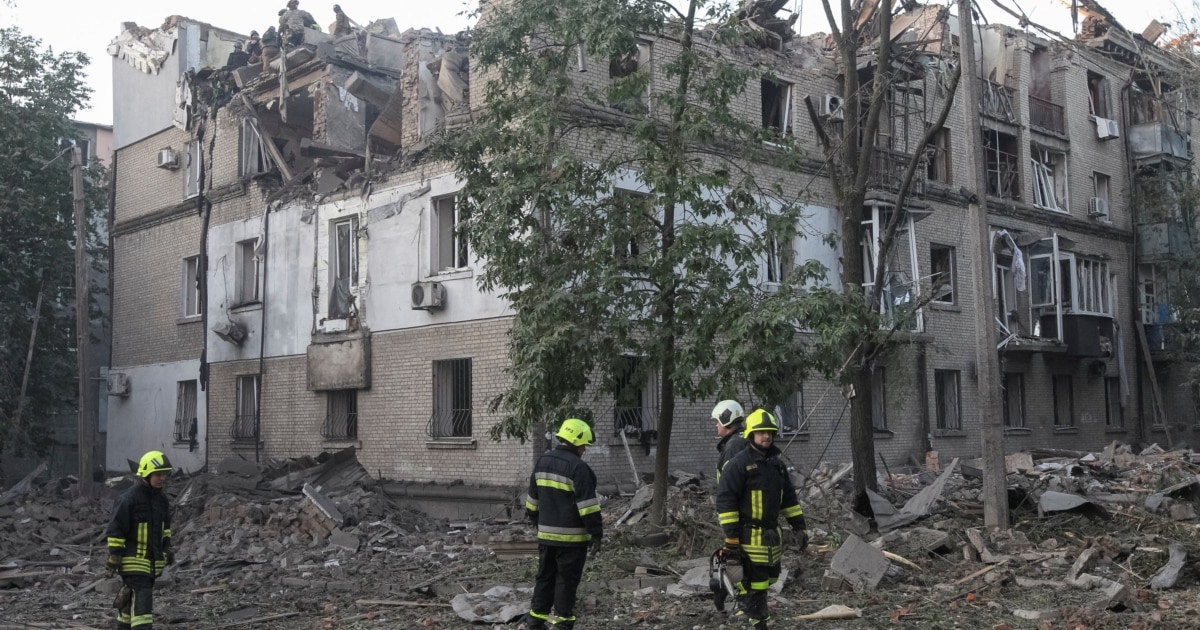
Russian strike damages light‑industry plant in Dnipro; seven people injured, officials say
Russian forces struck a light‑industry enterprise in Dnipro on the morning of 14 June, damaging buildings and production equipment and injuring seven people, authorities said. Oleksandr Hanzha, head of the regional military administration, said a ceiling collapsed in one room and three men were hospitalised with injuries assessed as of moderate severity.
By Vanessa Bergmann
976 views
Russian forces struck a light‑industry enterprise in the eastern Ukrainian city of Dnipro on the morning of 14 June, damaging the facility and wounding seven people, local officials said. The attack, reported by Oleksandr Hanzha, head of the regional military administration, left production equipment mangled and caused structural damage inside one of the plant’s rooms.
«Через ворожий удар пошкоджене підприємство легкої промисловості. В одному з приміщень зруйнована стеля і понівечене виробниче обладнання», – зазначив місцевий чиновник. According to Hanzha’s briefing, three of the injured were taken to hospital and are being treated for wounds that medical staff describe as of moderate severity. The remaining four injured people received care but were not reported as hospitalised.
Local emergency responders and medical teams attended the scene after the strike. Officials described the site damage as concentrated inside one section of the plant where the ceiling collapsed and key pieces of production machinery were destroyed or rendered inoperable. No further details about the specific type of industrial activity at the facility were provided.
The Dnipro incident forms part of a pattern of attacks that Ukrainian officials say Russian forces carry out across the country. The report noted that Russian troops and pro‑Russian units have repeatedly used a range of weapons — including strike drones, missiles, guided aerial bombs (KAB), and multiple‑launch rocket systems (MLRS) — to target cities and civilian infrastructure in different regions of Ukraine.
Ukrainian authorities and multiple international organisations have condemned such strikes, characterising them as war crimes when they deliberately hit civilian sites. Officials and rights bodies have also warned that systematic attacks on essential services and civilian facilities — including strikes intended to deprive populations of electricity, heating, water, communications, medical care and other necessities — may amount to actions of genocidal character when used to forcibly render life intolerable for civilian populations.
Moscow has repeatedly denied that its forces deliberately target civilian infrastructure during the full‑scale invasion, rejecting allegations that its military operations aim to destroy hospitals, schools, kindergartens or energy and water facilities and to kill civilian populations. The Russian government maintains that it targets military objectives and that civilian casualties are not intentional.
The strike in Dnipro underscores continuing concerns about the safety of civilians and civilian economic infrastructure in areas subjected to bombardment. Damage to industrial facilities can have broader consequences for local employment, supply chains and the provision of goods and services, on top of the immediate human toll. Ukrainian officials say documenting and reporting such incidents is crucial for future accountability efforts and for informing international responses to alleged violations of the laws of armed conflict.
Authorities in Dnipro and regional emergency services continue investigations into the attack to establish the full extent of damage and to determine the precise munition or delivery system used. Medical teams remain focused on treating the injured, and local officials have appealed for calm while providing updates on the condition of those hospitalised.