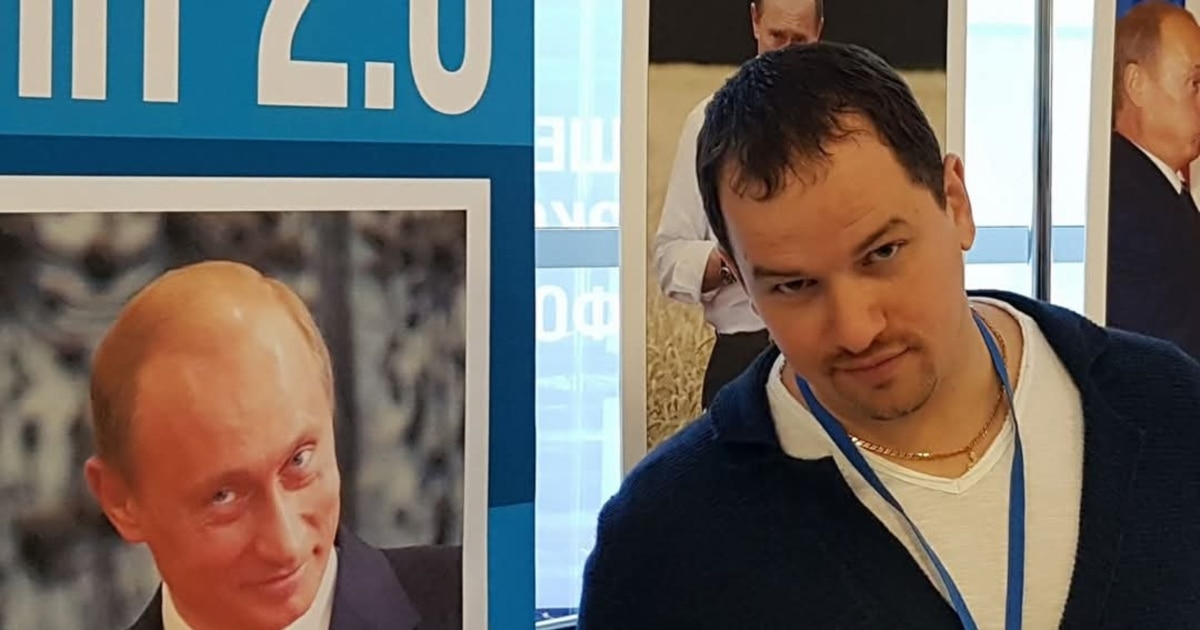
Russian Security Forces Search Home of 'Foreign Agent' Z-Blogger Roman Alekhin
Security services conducted an early-morning search at the home of pro-Kremlin Z-blogger Roman Alekhin, seizing a laptop and a phone, according to Alekhin's Telegram channel and his wife. Alekhin, who has been designated a 'foreign agent' and has recently criticized Russia's military leadership, remains free and is awaiting legal counsel.
By Alexander Walter
1,149 views
Russian security forces carried out a search at the residence of pro-Kremlin Z-blogger Roman Alekhin, his Telegram channel reported. The post said Alekhin had expected the action and was awaiting the arrival of a lawyer. It also included a short personal remark from Alekhin insisting on his fitness: "I'll say at once: I've been doing sports and crossfit since I was 18–19, which is incompatible with drugs."
Alekhin's wife, Ekaterina, provided further details, saying the search began at six in the morning. She told followers that officers had seized a laptop and a mobile phone but that Alekhin himself remained free. In a follow-up message, she wrote that it appeared to be "attacks from outside"—adding that responsibility could lie with either online haters or actors in Ukraine—and that Alekhin planned to buy a replacement phone during the day to restore access and update his audience directly.
The search comes against a backdrop of Alekhin's shifting public profile. Known as a pro-Kremlin blogger and war correspondent, he previously served as an adviser to the dismissed governor of the Kursk region, Alexey Smirnov. Alekhin first gained wider attention after announcing he had signed a contract with the Russian Ministry of Defence to serve in the "Akhmat" unit; he left that position in March.
According to reporting from Current Time, Alekhin's public stands changed over time. After he began criticizing Russia's military leadership and entered into public disputes with prominent television propagandist Vladimir Solovyov, authorities designated him a "foreign agent." The designation has been applied to a range of individuals and organizations and is often cited in discussions about increased state scrutiny of journalists, activists, and commentators.
At the time of the search, Alekhin's immediate online channels were disrupted by the confiscation of his devices, prompting his wife to promise a detailed account once access was restored. The seizure of a laptop and phone is likely to hinder his ability to communicate with followers in the near term and to access materials stored on those devices.
The incident highlights continued tensions between Russian authorities and high-profile online commentators, including those who have at times supported state narratives and at other times voiced criticism. Alekhin's trajectory—from pro-government blogger to a figure labeled a "foreign agent" after clashes with the state-aligned media figure—illustrates the shifting and often precarious position of public commentators operating in Russia's current political environment.
No official statement from law enforcement agencies was reported in the initial coverage. Current Time's report relayed Alekhin's own and his wife's accounts, which emphasized both the expected nature of the search and their intention to respond publicly once electronic communications were restored. Observers monitoring press freedom and the treatment of media figures in Russia note that searches and the confiscation of devices can have an immediate chilling effect on journalists and commentators by disrupting their work and communications.
The search of Alekhin's home adds to a broader pattern of actions involving media figures, activists, and civil society actors in Russia in recent years. For now, Alekhin is free, but the confiscation of his devices and his designation as a "foreign agent" place him in a contested space between state authorities and the online audiences that follow his coverage. He has indicated he will provide a fuller account once he regains access to his communications and legal counsel is present.