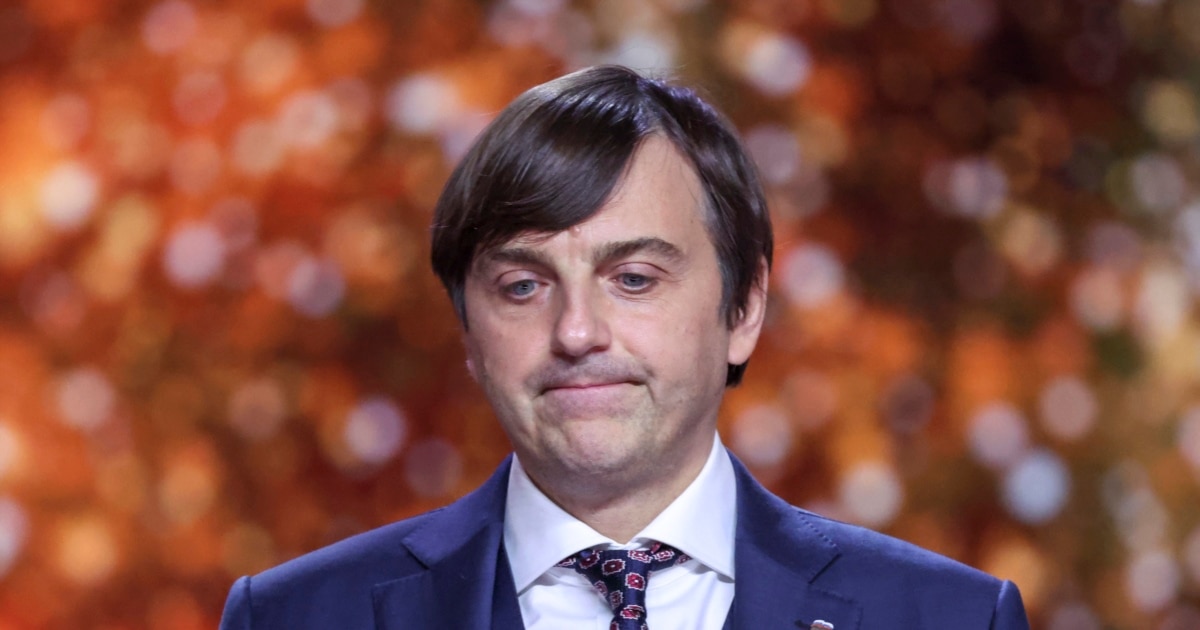
Russian education minister says Artek in annexed Crimea will reopen "when the situation allows" as regional booking suspended until 2026
Sergey Kravtsov, Russia's minister of education, told an expanded meeting at the International Children's Centre Artek that arrivals to the camp will resume "Когда позволит ситуация" ("when the situation allows"), while the head of Crimea has signed a decree halting bookings, reception and placement of children in the region's recreational organisations until 1 September 2026. Kravtsov said Artek's infrastructure is ready and that existing vouchers will be preserved for children who could not attend the current session.
By Vanessa Bergmann
845 views
Russia's education minister Sergey Kravtsov told an expanded meeting at the International Children's Centre Artek in annexed Crimea that arrivals at the camp will be resumed "Когда позволит ситуация" ("when the situation allows"), according to a report by state news agency RIA Novosti cited by Крым.Реалии (Krym.Realii). Kravtsov said the camp's infrastructure is prepared to accept children "at any moment" once authorities permit a resumption of activities, and he emphasised the need to maintain the centre's methodological and technical services.
«Важно, чтобы продолжалась работа методических и технических служб. Со своей стороны, мы и дальше будем делать все, для того чтобы поддерживать и развивать «Артек». Мы сохраняем путевки. Все дети, которые не смогли попасть в «Артек» в эту смену, получат свои места в приоритетном порядке, как только центр возобновит работу», – сказал он. In his remarks Kravtsov added that the education ministry would preserve existing vouchers and prioritise placement for children unable to attend the current session once the centre reopens.
The statements came after the head of the Russian regional administration in Crimea, Sergey Aksyonov, signed a decree that suspended booking, reception and placement of children in organisations for rest and recuperation across the region. The restrictions extend to other accommodation used for the participation of children and child groups in tourist and other events and are in force through 1 September 2026 inclusive, according to the decree referenced in the report.
Krym.Realii additionally noted previous developments concerning Artek's security upgrades. Earlier reporting said the administration of the camp planned to spend 37.2 million rubles on updating shelters intended to protect against unmanned aerial vehicles (BПЛА). That procurement, along with the suspension of bookings and public statements about preparedness, points to heightened security considerations shaping decisions about the centre's operations.
The environment for independent reporting about these developments is constrained. The article reports that Roskomnadzor, Russia's communications regulator, has been attempting to block access to the Krym.Realii website. The outlet advises readers about mirror sites and recommends technical workarounds; Krym.Realii also publishes updates through social channels. The regulator's actions are part of a broader pattern of restrictions on media covering events in Crimea since its annexation.
Artek, historically one of the most prominent children's camps in the former Soviet Union, has continued to operate under Russian administration since Moscow's annexation of Crimea in 2014. Decisions about its operation carry significance not only for the thousands of children who attend such centres but also for broader questions around civilian life, safety and access to services in a territory under occupation. The suspension of bookings through 2026 and the stated emphasis on maintaining staff and infrastructure suggest a protracted pause in normal activities rather than a short-term interruption.
Officials framed the ministry's stance as ensuring continuity of service: preserving places for children and sustaining the teams responsible for programming and technical upkeep. Critics and rights observers, however, may view long suspensions, security upgrades and media restrictions as part of the broader securitisation and administrative changes in occupied Crimea, which have implications for children's rights, freedom of movement and transparency.
The situation remains fluid. Kravtsov's comment that Artek will resume sessions "Когда позволит ситуация" leaves the timing dependent on unspecified security or administrative conditions. Until those conditions change, families and rights groups will be watching for concrete dates for the centre's reopening and for clarity on how voucher preservation and prioritisation will be implemented in practice.