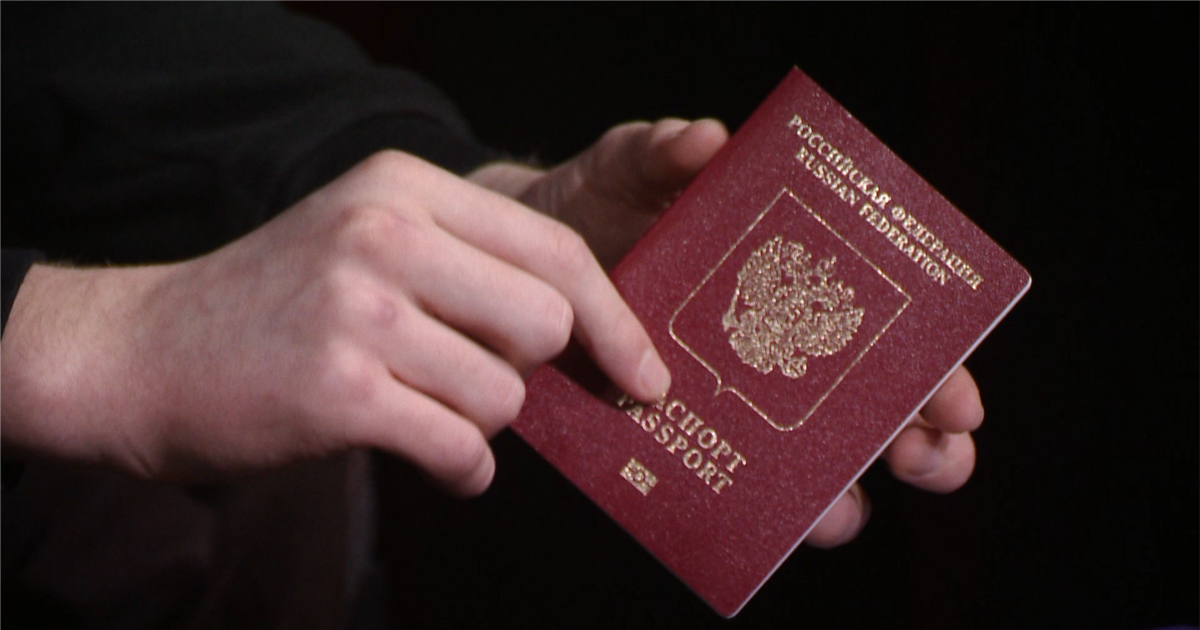
Russian citizens abroad say fee hikes and bureaucracy make renouncing citizenship costly and slow
A July 2024 law that raised state and consular fees has made renunciation of Russian citizenship far more expensive, while applicants abroad report long waits, inconsistent guidance from diplomatic missions and additional informal costs. Rights advocates say the measures risk deterring large numbers of citizens from formally giving up Russian nationality amid an ongoing exodus since 2022.
By Blake Marriott
1,165 views
Russian citizens living abroad say new fees and administrative hurdles are turning what used to be a routine process — formally renouncing Russian citizenship — into a costly and protracted ordeal. Under a law that came into force on July 22, the state fee for renunciation was raised from 4,200 rubles (about $50) to 50,000 rubles (about $592), and applications submitted through diplomatic missions abroad now carry a consular fee that has been increased from $130 to $1,200. Applicants and rights defenders say the increases are only part of the problem; unclear procedures, long processing times and inconsistent consular practices are compounding the burden.
Vlada Xarebova, who has lived in Latvia since 2022 and has two children, says she has repeatedly tried to renounce Russian citizenship but has been blocked by bureaucratic obstacles at the Russian consulate in Riga. Xarebova told Current Time that consular staff provided a list of required documents but failed to explain how to obtain them. When she sought help by phone or in writing, she said consular staff responded: “Biz bununla məşğul olmuruq. Təəssüf ki, sizə kömək edə bilmərik”. The consulate also refused to accept her daughter’s application because she did not submit a copy of her Russian higher-education diploma — an item Xarebova says is not listed among the formal requirements.
Applicants in other European countries report similar difficulties. Veronika Mikkonen, who lives in Finland, said the process was complicated by short validity periods for some required documents — in some cases as little as three months — while interviews or acceptance appointments at diplomatic missions could take months to secure. Mikkonen eventually succeeded in renouncing her Russian citizenship, but at substantial cost. Although the consular fee at the time was 130 euros (about $152), she estimates that preparing the necessary documents cost her roughly 1,000 euros (about $1,160). Mikkonen told Current Time that her decision was influenced by Russia’s internal repression and the Kremlin’s invasion of Ukraine in February 2022: “Sadəcə, cibimdə diktatura ölkəsinin, müharibə başlayan bir ölkənin pasportunu gəzdirmək istəmirdim”.
Other émigrés say they have been unable to complete the procedure despite no longer living in Russia or having financial or property ties there. Aleksandr Smirnov, who obtained Spanish citizenship while living in Madrid, told Current Time that he has tried to renounce Russian citizenship but has not succeeded. “Rusiyada 10 il olmamışam, Rusiya ilə heç bir əlaqəm yoxdur, orada nə əmlakım, nə də bank hesablarım var. Bu vətəndaşlıq mənə lazım deyil,” he said, arguing that Moscow is deliberately creating obstacles.
Official Russian statistics on renunciations have not been published since 2023. Data released earlier by the Foreign Ministry showed 4,356 renunciations in 2019, 3,877 in 2020, 4,055 in 2021 and 4,306 in 2022 — the year Russia launched a large-scale invasion of Ukraine. A consular-department official previously told reporters that roughly 4,400 people renounced Russian citizenship in the first nine months of 2023. Rights groups and analysts say the 2022 announcement of mass mobilization and subsequent repression prompted hundreds of thousands of Russians to leave the country, increasing demand to formalize new citizenships abroad.
European countries recording renunciations report rising numbers. Estonia’s Interior Ministry recorded 107 renunciations of Russian citizenship in 2024, rising to 126 by August 25, 2025. The process has suffered delays and interruptions: the Russian embassy in Tallinn temporarily stopped accepting new renunciation applications from late 2023 to February 2024 after a new citizenship law took effect, creating long queues when processing resumed. A number of Russian consulates in Estonia — in Tartu and Narva — have been closed, and staffing at the embassy in Tallinn has been cut. Observers note that Moscow has closed or reduced consular services in several European cities amid tensions with Western states.
Russian law sets several substantive conditions for renunciation. Applicants must either already have citizenship of another country or provide a guarantee that they will obtain it; outstanding taxes, unpaid state fees or fines can be grounds for refusal. Human-rights defenders argue that the combination of higher fees, inconsistent document demands and reduced consular capacity amounts to an intentional effort to make renunciation difficult. Lev Ponomaryov, a veteran rights activist, said the authorities are trying to prevent a large outflow from formally severing ties with Russia: “Adamların böyük axınla vətəndaşlıqdan imtina etməsini önləmək istəyirlər. Çünki getdikcə daha çox insan Rusiya vətəndaşlığından imtina edə, bu isə bir növ informasiya bombasına çevrilə bilər”.
The reported changes carry practical consequences for migrants and refugees seeking security and legal clarity in their new countries. Beyond the immediate financial cost, lengthy and opaque procedures can leave people in legal limbo, complicating travel and residency formalities. The report is based on a Current Time field report by Artyom Filatov and was prepared for publication by Farangiz Nəcibulla. Human-rights advocates say the situation merits monitoring as part of broader concerns over civil liberties and the ability of citizens to exercise a fundamental right to change their nationality without undue state interference.