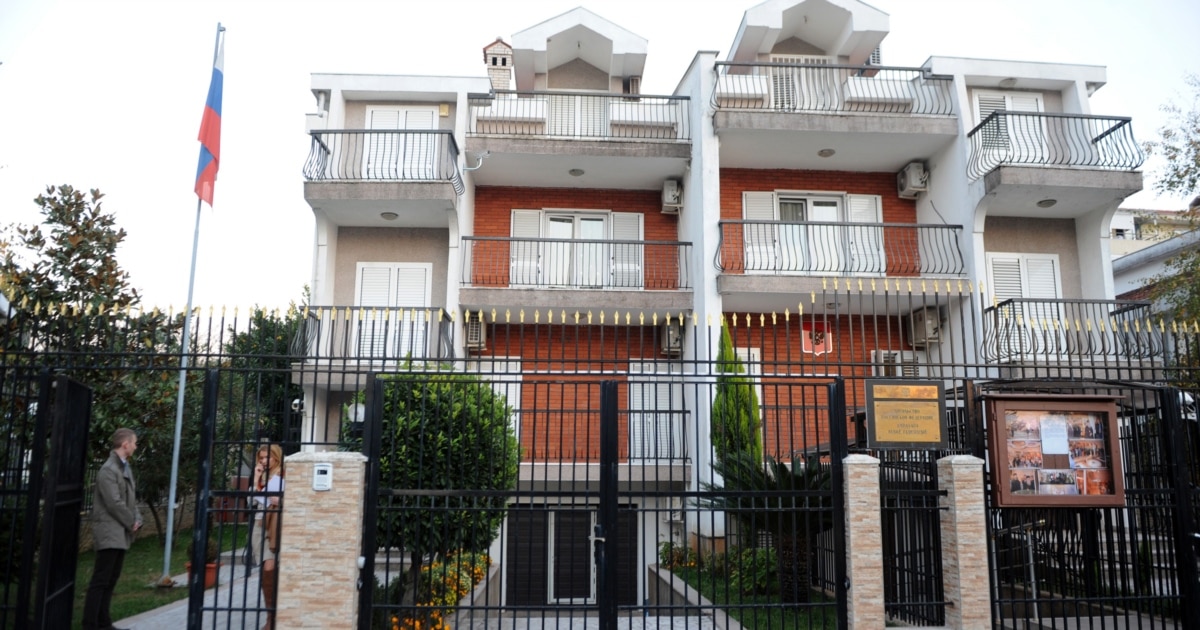
Russia to Impose Visa Regime on Montenegro Citizens from Dec. 30 in Response to Montenegro’s End of Visa-Free Travel
The Russian Embassy in Podgorica announced that Russia will introduce a visa requirement for Montenegrin citizens starting December 30, 2026, as a reciprocal measure after Montenegro ended visa-free entry for Russian nationals. Moscow invoked a 2008 visa-free agreement that, it says, allows suspension 90 days after written notice; Russia issued its notice on October 30.
By Christopher Manley
911 views
The Russian Federation will introduce a visa regime for citizens of Montenegro starting on December 30, 2026, the Russian Embassy in Podgorica announced. Moscow described the move as a reciprocal response to Montenegro’s earlier decision to end visa-free travel for Russian citizens, a measure that entered into effect for Russian nationals on November 1, 2026.
According to the embassy’s statement, Russia is acting under the provisions of a 2008 bilateral agreement on visa-free travel between the two countries. That agreement, the statement says, includes a clause allowing either party to terminate the visa-free arrangement 90 days after providing written notification to the other. Russia notified Montenegro of its decision on October 30 — which the embassy noted was the final day on which Russian citizens could enter Montenegro without a visa.
Montenegro announced the cancellation of visa-free travel with Russia — as well as with Belarus, China, Turkey and Saudi Arabia — in late July 2026. The Montenegrin government said at the time that aligning the country’s visa policy with that of the European Union was part of fulfilling key obligations on its path toward EU accession. Montenegro’s government set the cost of a visa at 35 euros and stated exceptions for holders of valid Schengen, US, UK and Irish visas, who may stay in Montenegro for up to 30 days.
Moscow framed its December 30 deadline as an automatic consequence of the 2008 agreement’s termination clause following its written notification. The announcement formalizes reciprocal travel restrictions that are likely to affect tourism, business travel and family visits between the two countries, including in the context of Montenegro’s growing ties with EU visa policy frameworks.
The diplomatic exchange over visa policy takes place against a broader backdrop of tensions between Russia and countries that have tightened or altered travel rules in recent months. Montenegro’s stated reason for changing its visa policy — to harmonize with the EU — reflects its broader foreign policy orientation and aspirations for EU membership, a process Moscow framed in its response by emphasizing legal provisions rather than political rationale.
The article reporting Russia’s decision was published by Krym.Realii (Crimea.Realities), part of Radio Free Europe/Radio Liberty. The publication noted that Roskomnadzor, Russia’s communications regulator, has attempted to block access to the Krym.Realii website. The outlet provided a mirror link for readers in areas where the primary site is restricted and recommended the use of VPNs to access its reporting. Those details underline ongoing tensions over media access and restrictions on independent news outlets covering state actions.
Legal technicalities in bilateral agreements — such as the 90-day termination clause cited by Moscow — often govern the timing of reciprocal measures, but the practical consequences fall on ordinary travelers. The imposition of a visa regime will require Montenegrin citizens to secure travel documents for visits to Russia from the end of the year, with potential effects on cross-border movement that include tourism, cultural exchange and commerce.
Both governments have communicated the legal bases for their respective decisions: Montenegro emphasized alignment with EU policy as a step toward accession, while Russia stressed its right under the existing bilateral agreement to suspend visa-free travel after issuing formal notice. The move is likely to remain a point of bilateral friction and may influence broader regional dynamics related to travel, diplomacy and press freedom in both countries.