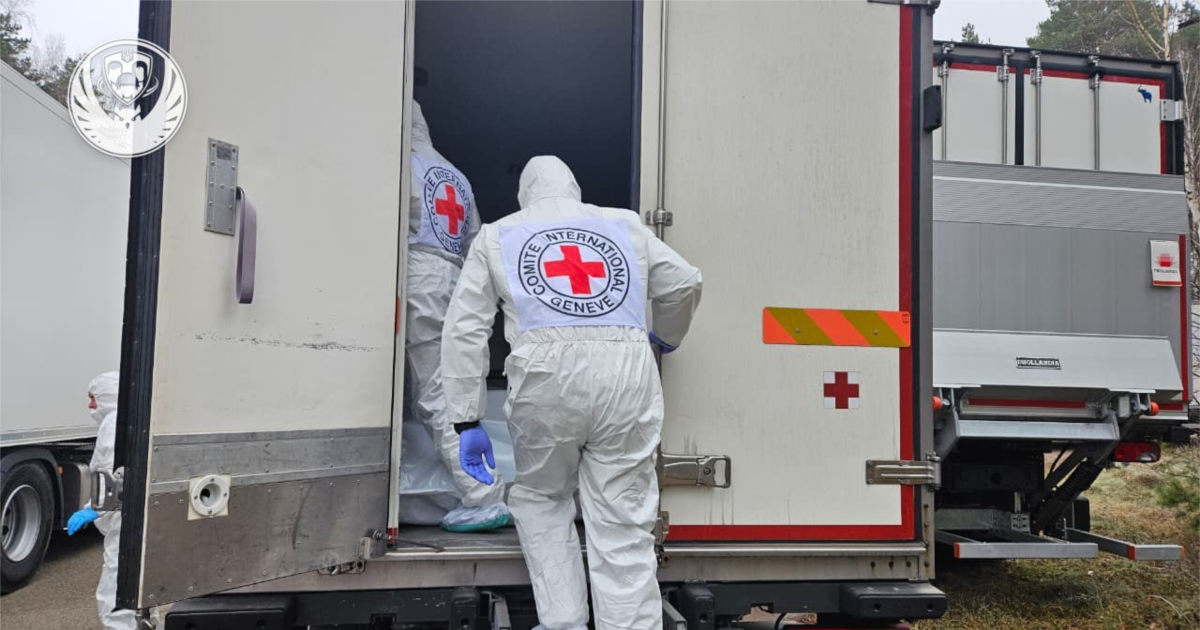
Russia says it transferred 501 bodies to Ukraine and received 31 in a new exchange; Kyiv has not confirmed
Russian authorities told media that Moscow has handed over 501 bodies of deceased servicemen to Ukraine while receiving 31 in return, according to State Duma deputy Shamsail Saraliev, as reported by RBC. Ukraine has not yet confirmed the reported exchange; a previous swap on June 18 saw 522 bodies returned to Ukraine and 33 to Russia.
By Christopher Manley
990 views
Russian authorities reported that a new exchange of the remains of military personnel took place between Russia and Ukraine, with Moscow saying it transferred 501 bodies to Kyiv and received 31 in return. The figure was reported by Russian outlet RBC and attributed to State Duma deputy Shamsail Saraliev (Шамсаил Саралиев). As of the report, Ukrainian officials had not publicly confirmed the exchange.
The announcement follows a pattern of periodic exchanges of human remains between the two countries since the start of the large-scale conflict. Russian media cited the lawmaker’s figures without publishing full details about where and how the transfers took place, or how the identities of the deceased were confirmed. The lack of immediate confirmation from Ukrainian authorities means independent verification of the numbers and identities remains pending.
Exchanges of bodies are a humanitarian measure that allows next of kin to receive, identify and bury their relatives. They also play a role in forensic investigations and in providing families with answers about the fate of the missing. Public reporting of such exchanges typically includes numbers of remains transferred in each direction, but can leave questions about the pace of identification and the procedures used to confirm identities.
A previous exchange reported on June 18 returned 522 bodies to Ukraine and saw 33 bodies returned to Russia, according to the same reporting. That earlier transfer, like the one now reported, underscored the scale of human loss and the ongoing practical and emotional challenges faced by families and officials responsible for handling the dead.
While officials on both sides have occasionally cooperated to return remains, the process can be complicated by operational, logistical and political obstacles. Media accounts frequently note delays in confirmation, difficulties in arranging safe passage, and the heavy reliance on military, forensic and sometimes third-party channels to coordinate transfers. Public disclosure frequently comes from government or parliamentary figures and from state-affiliated media outlets.
The transfer of bodies between Russia and Ukraine remains an important humanitarian issue amid the broader conflict. For families, the timely and dignified return of remains is a fundamental concern. For authorities and international observers, the exchanges serve as limited but crucial points of cooperation that also raise questions about transparency, verification and the services available to support identification and repatriation.
At present, reporting on the most recent exchange rests on the account cited by RBC and the State Duma deputy; independent confirmation from Ukrainian authorities or international organizations has not been reported alongside those figures. Observers will likely await further statements from Kyiv, additional details on how identities were established, and information on the involvement of forensic teams or international intermediaries in the transfers.