Russia says crimes by foreign nationals plunged in 2026 amid falling migrant numbers and tighter controls; rights groups warn of coercive recruitment
The Interior Ministry reported a roughly 40 percent drop in crimes attributed to foreign nationals in the first nine months of 2026 compared with the previous year, and said the number of foreign residents in Russia has fallen by about 10 percent. Human rights groups caution the decline follows tougher migration measures and widespread raids, while alleging that some migrants are being pressed into military service in Ukraine in exchange for avoiding prosecution or receiving faster documentation.
By Clémence Desjardins
1,032 views
Russia’s Interior Ministry has reported a substantial decline in crimes committed by foreign nationals in 2026, telling senior officials that recorded offences involving non-Russian citizens fell sharply compared with the previous year. According to the ministry’s figures cited at a meeting with President Vladimir Putin, the number of crimes by foreign nationals declined from about 41,000 in the prior year to roughly 14,500 recorded in the first half of 2026 — a decrease of around 40 percent.
The ministry further said that, of the total offences attributed to foreign nationals, some 16,700 were committed by citizens of Commonwealth of Independent States (CIS) countries, a figure it described as 42.4 percent lower than the level recorded a year earlier. The numbers were reported to state news agency TASS during the meeting, where officials framed the fall as a positive development in combating crime by non-citizens.
At the same time, the Interior Ministry’s migration service recorded a decline in the overall population of foreign nationals in Russia. On October 1, 2026, the migration service estimated that approximately 6 million foreign nationals were present in the country — roughly 10 percent fewer than the tally a year earlier. The ministry and its migration unit linked the drop to a suite of measures aimed at tightening migration controls.
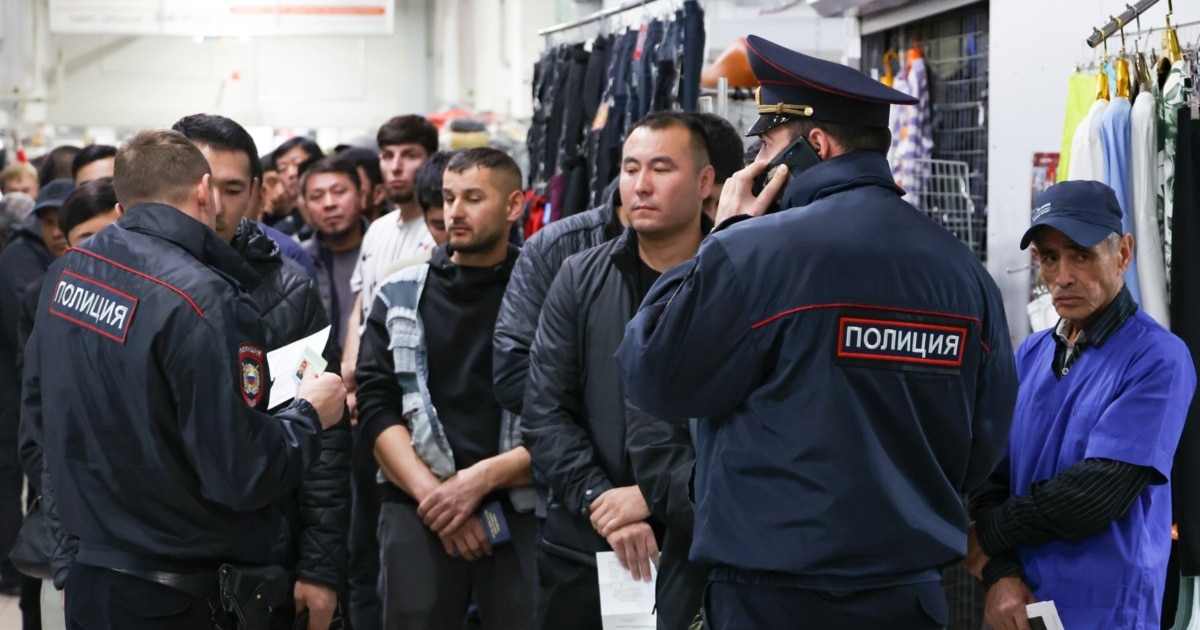
Observers and rights groups point out, however, that the fall in recorded crime and in the number of migrants is occurring against a backdrop of far more aggressive migration enforcement. Human rights organisations have documented intensified raids, frequent law-enforcement checks, and heightened administrative pressure on migrants. Those measures, they say, have driven many migrants to leave or to remain outside official systems, complicating both their access to services and the accuracy of official statistics.
Beyond enforcement, a troubling pattern flagged by rights monitors concerns the alleged recruitment of migrants for military service. According to reports cited by the migration service and rights groups, migrants detained during raids or facing the threat of deportation have been offered the opportunity to sign contracts with the Defence Ministry. In return, migrants are reportedly promised that criminal charges or deportation proceedings will be halted and that they may receive expedited processing of passports or other documentation.
Human rights advocates warn that such practices raise serious legal and ethical questions. Coercing or pressuring non-citizens — especially those facing detention, deportation, or other sanctions — into military service may violate international standards on voluntary enlistment and could amount to abuse of vulnerable populations. Rights groups have additionally reported specific instances in which detained migrants, including citizens of Tajikistan serving sentences in Russian prisons, were threatened with deployment to Ukraine.
The picture painted by the Interior Ministry’s statistics and the accounts of human-rights organisations suggests multiple, interacting causes for the fall in recorded migrant crime: fewer migrants in the country due to stricter controls and departures; intensification of enforcement activity that may remove potential offenders from public life or deter reporting; and administrative practices that shift migrants into different legal categories, including military contracts.
Legal experts and advocates say transparency is critical to understanding the true drivers of the decline. They urge Russian authorities to publish detailed methodology on how crimes involving foreigners are recorded and to allow independent monitoring of migration enforcement and recruitment practices. Without such openness, official declines in criminality risk masking rights abuses and coercive practices that affect some of the country’s most vulnerable residents.
The developments have implications for Russia’s neighbours whose citizens make up a large share of the migrant workforce, as well as for international bodies tracking forced recruitment and treatment of migrants. Governments in Central Asia and advocacy groups continue to press for clearer information and safeguards to protect migrants from coercion, arbitrary detention and abuses linked to migration enforcement and wartime recruitment.