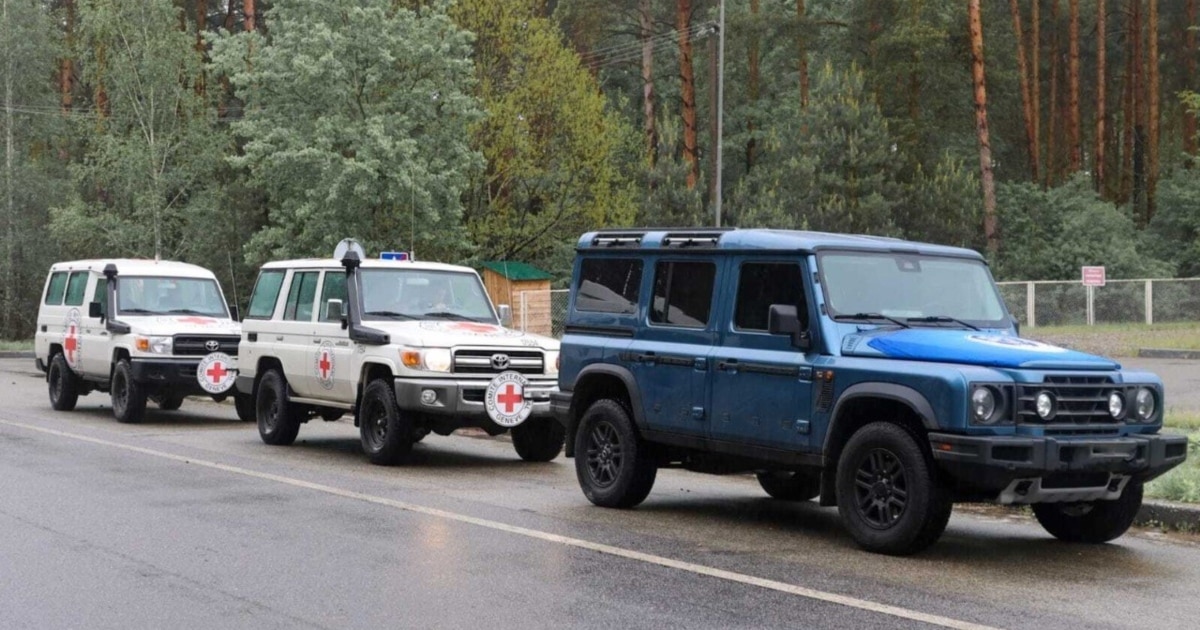
Russia reports new exchange of bodies with Ukraine; says 261 remains returned to Kyiv, 24 received by Moscow
Russian authorities say a fresh exchange of bodies took place with Ukraine, with Moscow reporting that 261 bodies were handed over to Ukrainian authorities while Russia received 24 in return. The claim, reported by RBC and attributed to State Duma deputy Shamsail Saraliev, has not yet been confirmed by Ukrainian officials.
By Vanessa Bergmann
885 views
Russian authorities have reported a new exchange of bodies with Ukraine, saying that Moscow transferred 261 bodies to Ukrainian authorities and received 24 in return. The information was published by the Russian business outlet RBC, which cited State Duma deputy Shamsail Saraliev as its source. As of publication, Ukrainian officials had not publicly confirmed the exchange.
RBC’s report, relayed by the Russian-language Current Time website, does not provide further detail on where the handover took place, the identities of the deceased, or whether the remains were accompanied by forensic documentation needed for identification. The report also did not specify whether the bodies were combatants, civilians, or a mixture of both.
The announcement follows a previous exchange on July 16, 2026, when Russian and Ukrainian authorities said they had exchanged the remains of those killed in the conflict. At that time, Moscow reported transferring 501 bodies to Ukrainian control and receiving 31 in return. The disparity in numbers in both exchanges — with far more remains reported as handed over to Ukraine than to Russia — reflects a recurring pattern in such notifications but has not been independently verified by third-party forensic or humanitarian organizations.
Exchanges of human remains are a grim but critical element of armed conflict resolution and humanitarian practice. Returning bodies to families allows for burial rites and can provide vital closure to relatives. Under international humanitarian law, parties to a conflict are obliged to search for and account for the dead and to facilitate the return of remains when possible. However, the mechanics of these operations — including proper identification, chain-of-custody procedures and cooperation between authorities — are often opaque in active conflict zones.
Independent confirmation and transparent procedures matter to ensure remains are properly identified and returned to the correct next of kin. Without corroboration from Ukrainian authorities, international organizations or independent forensic teams, critical questions remain about the numbers cited, the identification process, and whether families will be able to receive reliable information about their loved ones.
Human rights groups and families of the missing have repeatedly urged both sides to adopt standardized, transparent protocols for handling remains and sharing information. Such measures are intended to reduce further suffering for relatives and to ensure compliance with obligations under international humanitarian and human-rights law. The frequency of exchanges and the large numbers involved underscore the humanitarian toll of the conflict and the ongoing need for mechanisms to document and account for the dead.
For now, the announcement from RBC and the statement attributed to State Duma deputy Shamsail Saraliev stand as Moscow’s account of the exchange. Pressed for confirmation, Ukrainian authorities had not issued a public statement at the time this report was published. Observers and families awaiting word will be looking for additional details from both sides or from neutral forensic and humanitarian agencies that can verify the transfers and provide clarity about the identities of those returned.