Russia Announces Unilateral Truce for Victory Day; Kyiv Says It Will Halt Fighting Two Days Earlier
Russia declared a unilateral truce in Ukraine to mark Victory Day, while Ukrainian authorities said they would observe a pause in hostilities beginning two days before Russia’s announced cessation. The competing announcements are limited and unilateral, and authorities and observers will be watching to see whether the pauses are observed on the ground.
By Blake Marriott
932 views
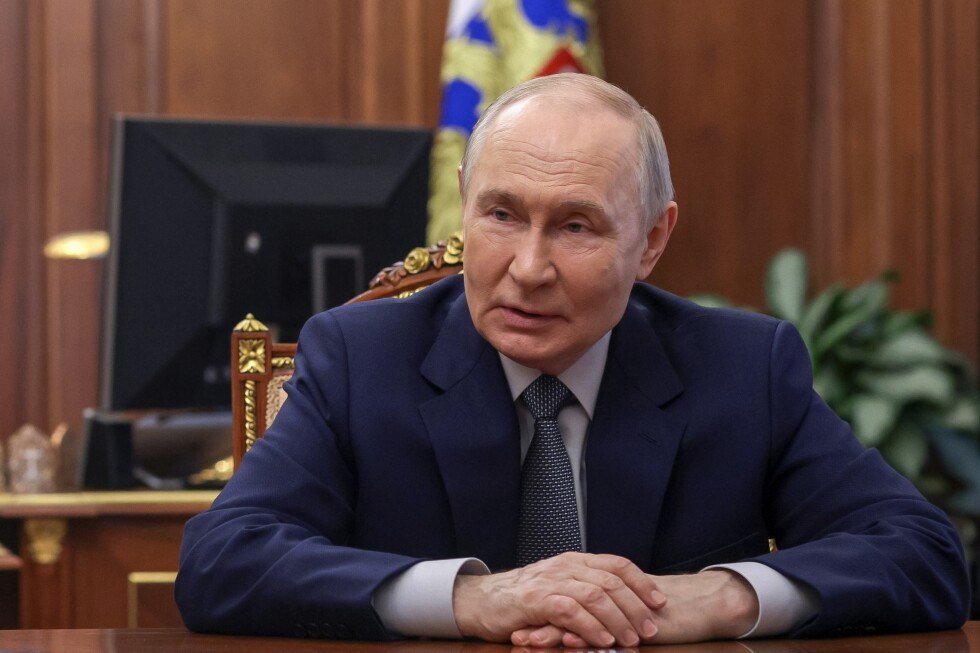
Russia's Defense Ministry declared a unilateral ceasefire in Ukraine for Friday and Saturday — May 8 and 9 — to mark the 81st anniversary of the defeat of Nazi Germany in World War II, but it threatened to strike back at Kyiv if it tries to disrupt the Victory Day festivities. The Defense Ministry said in a statement that it hoped Ukraine "will follow suit" on the ceasefire for Russia's most important secular holiday. The declaration was issued through a post on the state-backed messaging app MAX and attributed to a decision by Putin as supreme commander-in-chief.
The Russian statement was paired with an unusually explicit warning. The Defense Ministry said that if Ukraine attempts to disrupt Saturday's celebrations, Russia will carry out a "massive missile strike on the center of Kyiv," and it warned the civilian population there and employees of foreign diplomatic missions of "the need to leave the city promptly."
Ukraine responded with its own, earlier pause. President Volodymyr Zelenskyy said his country would observe a truce beginning at 12 a.m. on Wednesday and respond in kind to Russia's actions from that moment on; he did not put an end date on the truce. In a post on X on Monday night, Zelenskyy framed the offer as a test of Russian intentions, noting that Kyiv had not received any official request for a truce through formal channels. "We are announcing a ceasefire regime starting at 00:00 on the night of May 5–6," he wrote. "In the time left until that moment, it is realistic to ensure that silence takes effect. We will act reciprocally starting from that moment." He pressed the Kremlin "to take real steps to end their war, especially since Russia's Defense Ministry believes it cannot hold a parade in Moscow without Ukraine's goodwill."
The dueling declarations carried a sharp subtext about which side held the initiative over Moscow itself. Speaking at a summit with European leaders in Armenia on Monday, Zelenskyy said that the Russian authorities "fear drones may buzz over Red Square" on May 9. That fear was visible in the preparations. Authorities last week decided to pare down the traditional military parade on Moscow's Red Square, citing concerns over possible Ukrainian attacks. For years, the Kremlin has used the pomp-filled Victory Day parade to showcase its military might and global clout, and it has been a source of patriotic pride. But the parade in the Russian capital will take place without tanks, missiles and other military equipment for the first time in nearly two decades. Some of the smaller parades held elsewhere across the country have also been pared down or even canceled for security reasons.
The diplomatic backdrop helps explain the timing. Putin had floated the idea of a ceasefire for Victory Day in a phone conversation with U.S. President Donald Trump, and the rival pauses played out against active U.S. efforts to broker a halt in the fighting. The competing windows also reflected the genuine logistical anxiety in the Russian capital: Russian media reported Monday that the country's cellphone operators had begun warning customers of internet restrictions in Moscow and St. Petersburg in the coming days, a precaution against drone navigation.
The pattern echoed the previous year almost exactly. Putin had declared a unilateral 72-hour ceasefire starting May 7, 2025, and authorities blocked cellphone internet in Moscow for several days to avert Ukrainian drone attacks. That 2025 truce was widely reported to have been broken by both sides even as it was nominally in effect, and Kyiv at the time dismissed it as theatrical, insisting instead on a longer, verifiable pause of at least 30 days rather than a holiday-length gesture.
Observers will be looking for signals in the hours and days following the announcements about whether the pauses are observed in practice, whether they facilitate commemorations and civilian movements, and whether any violations are reported. The declarations come amid a broader, protracted conflict in which temporary halts have at times provided brief respite but have not produced lasting reductions in violence. Even as the truces were announced, fighting continued: a Russian missile strike on Merefa, in the Kharkiv region away from the front line, killed several civilians and wounded others, including a young child, according to regional officials — underscoring how far the two declarations sat from a genuine, mutually agreed cessation.
For now, the immediate effect of the two unilateral announcements is to create a defined window in which both capitals have signaled a preference for pauses in fighting tied to wartime commemorations. How that plays out on the ground — the degree of compliance, the geographic scope and the short- and medium-term implications for military operations and civilian safety — remains to be seen and will depend on the actions of forces at and behind the front lines.