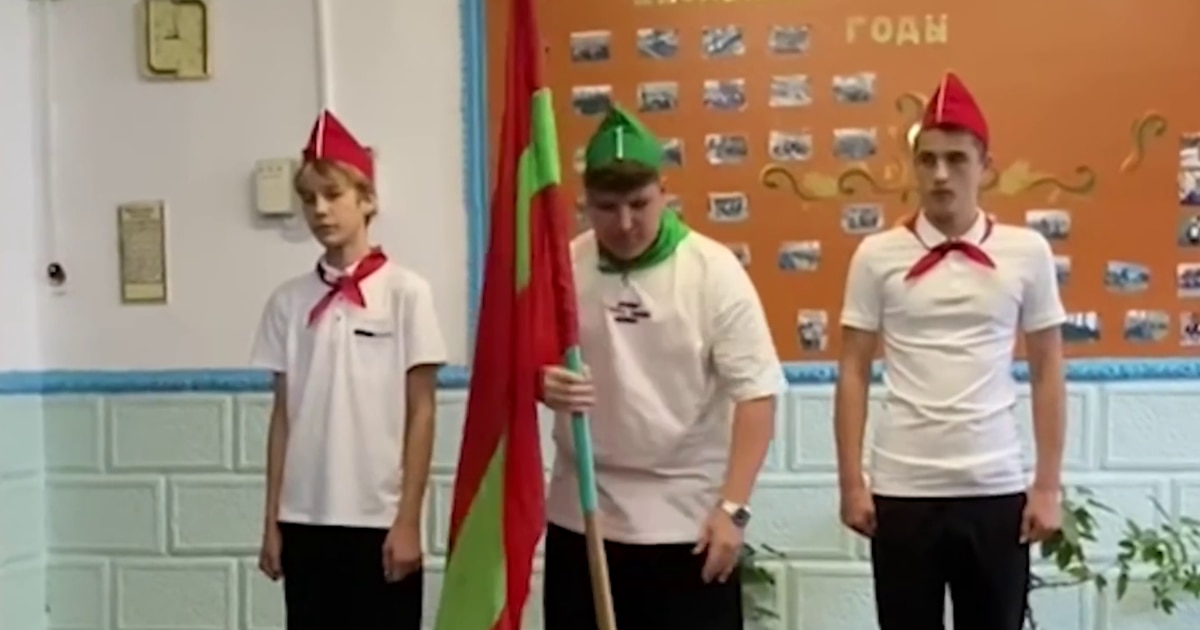
Rights Groups: Russia Sending Transnistrian Teenagers to 'Patriotic' Camps in Annexed Crimea
Human rights monitors report that groups of schoolchildren from the breakaway Transnistria region of Moldova are being transferred to Russian-run 'patriotic education' camps in Crimea, including the International Children's Center Artek and Orlyonok. The programmes, lasting about 21 days, feature military-style activities and meetings with servicemen; rights advocates say the practice forms part of a long-term strategy to instil pro-Russian identity and prepare youth for security forces.
By Christopher Manley
860 views
Human rights organisations monitoring Moldova’s breakaway Transnistria region say Russia is organising the transfer of schoolchildren from the territory to “patriotic education” camps in annexed Crimea, a practice they describe as unlawful and part of a wider programme of ideological and military-style conditioning.
The Telegraph, citing reports from Moldovan rights groups Promo-LEX and the Association for the Reintegration of Crimea, published details of the transfers. According to the rights monitors, in the summer of 2026 groups of pupils were sent to the International Children's Center Artek in Gurzuf and to the Russian youth centre Orlyonok. The organisations estimate that around 1,200 children participate annually in 21-day programmes run at those facilities.
The programmes described by rights groups feature overtly military and propagandistic activities. Schedules reportedly include propaganda exhibitions, traditional military games known as “Zarnitsa,” shooting competitions, meetings with Russian servicemen and veterans of the war against Ukraine, and exercises such as writing letters to fighters at the front. Children are said to live in dormitories, follow strict meal and activity timetables, and attend “lessons of courage.”
Promo-LEX and the reintegration association warn that those elements are intended both to cultivate a pro-Russian identity among young people and to channel them toward future roles in security and paramilitary structures. They point to a parallel process within Transnistria itself, where education is becoming more militarised: in the 2026/2027 school year two military-style institutions — the Suvorov boarding school in Tiraspol and a cadet school in Bender — enrolled a combined 127 children (65 in Tiraspol, 62 in Bender), an increase on the previous year.
Experts cited by rights groups say such schools are explicitly designed to prepare cadres for the local authorities’ enforcement and paramilitary needs. Weekly ceremonies with the separatist administration’s flag-raising and anthem are reportedly standard practice in local schools, reinforcing the separatist identity among pupils from a young age.
The transfer of children to Artek has drawn international attention because the camp itself is subject to sanctions. The United Kingdom, the European Union and the United States have imposed measures on Artek for its role in the deportation and ideological processing of Ukrainian children. Rights defenders say the involvement of Artek and similar centres in taking Transnistrian children adds to concerns about the legality and ethics of the practice.
Rights groups also highlight a more immediate safety worry: transfers have continued even as Ukrainian forces carry out strikes on military targets in Crimea, increasing the physical risk to children accommodated at such facilities. Promo-LEX and its partners stress that the movement of minors out of a territory not under Chisinau’s control is carried out with the consent of local pro-Moscow authorities and constitutes part of a longer-term strategy to reshape loyalties in the region.
The reporting has coincided with pressure on media covering these developments. Russia’s communications regulator Roskomnadzor has attempted to block access to Krym.Realii, the outlet that published the original coverage in Russian, prompting the publication to provide mirror sites and urge readers to use VPNs. The attempt to restrict access underscores broader concerns about press freedom when documenting alleged rights abuses linked to Russian state actions.
International organisations have previously documented similar “patriotic education” and transfer programmes affecting children from territories occupied during Russia’s war in Ukraine. Rights groups say the Transnistria-to-Crimea transfers should be examined alongside those earlier cases and investigated for potential violations of international child protection law, displacement rules and the rights of parents and communities to determine the fate of minors.
The rights groups behind the reporting call for increased scrutiny from international bodies and for Moldova and other actors to press for accountability and protection measures. They warn that without intervention, a generation of children in separatist-controlled areas may be systematically steered toward militarised identities and roles, complicating prospects for future reintegration and human rights protections.