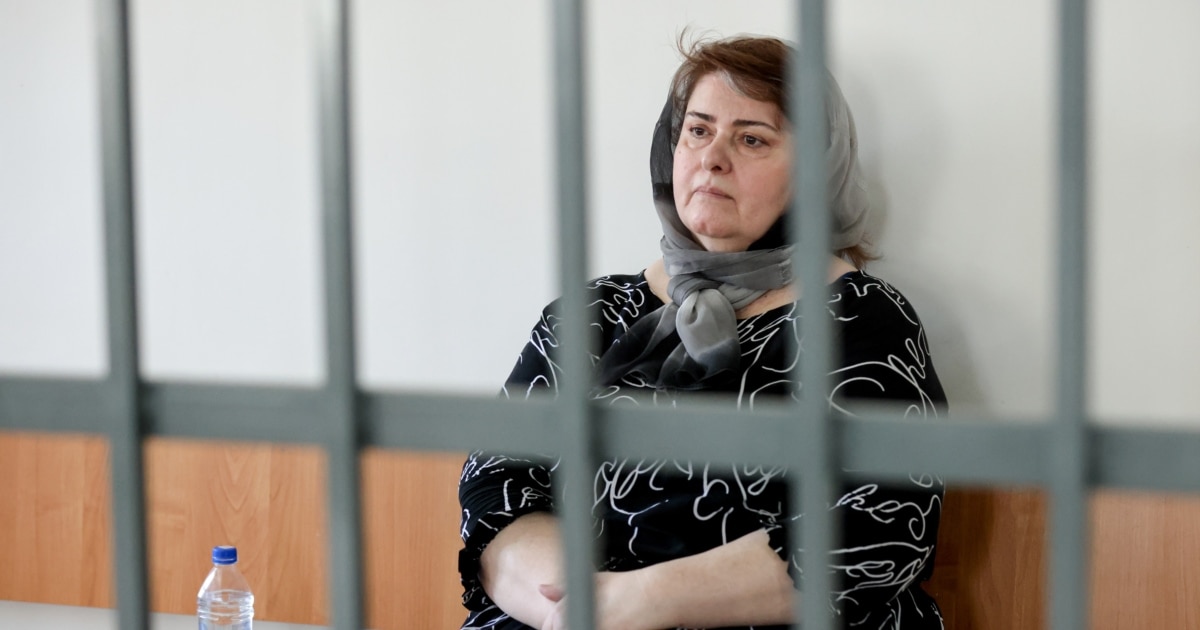
Rights Group Says Chechen Opposition Figure Zarema Musaev Transferred to Lakharchu Penal Colony; Lawyer Files Appeal
Human rights organisation Memorial reports that Zarema Musaev, a 56-year-old Chechen opposition activist linked to the Yangulbaev family, has been transferred to the Lakharchu penal colony in Chechnya. Her lawyer, Alexandra Savin, has lodged an appeal and notified international bodies, saying the transfer and Musaev’s treatment give rise to serious human rights concerns.
By Blake Marriott
1,092 views
A prominent Chechen opposition figure, Zarema Musaev, has been moved to the Lakharchu penal colony in Chechnya, human rights group Memorial reported, prompting an appeal by her defence counsel and notification to international monitors. Memorial’s announcement, carried by Radio Marsho, says Musaev — an ally of the Yangulbaev family and a long-standing opponent of local authorities — has been transferred into the regional penal system, a development that her legal team and rights monitors describe as alarming.
An appeal against the transfer has been filed; Musaev’s lawyer, Alexandra Savin, is representing her in the case. Commenting on the situation, Savin said the defence has taken legal steps following the move and raised concerns about the conditions and the legality of the transfer. In the report, the lawyer is quoted in Chechen: "Зарема Iалашйан бакъонаш шога талхийна хиларх, тешашка хеттарш дечу заманчохь лелийна харцо а, тоьшаллашца а, мукIарлонашца а шалхонаш хиллар а адвокато дIахьединашшехь, махкарчу Лакхарчу кхело таӀзар хийцанза дитина".
The available reporting says Musaev is 56 years old and was sentenced in 2022. Rights groups and her legal team have repeatedly raised concerns about her health and the effects of detention on her condition. According to the report, there have been prior complaints that Musaev faced mistreatment while in custody and that she was denied adequate medical attention — allegations that her lawyers say were brought to the attention of the Federal Penitentiary Service (FSIN) and, subsequently, to international bodies.
Memorial and Musaev’s defence have said they informed United Nations mechanisms of the transfer and of concerns about her safety and wellbeing. The involvement of the UN and prominent Russian human rights monitors underscores the wider international interest in the treatment of Chechen opposition figures, many of whom have accused local authorities of politically motivated repression.
Musaev’s association with the Yangulbaev family — themselves the target of a sustained campaign of persecution by Chechen authorities — places her case within a broader pattern highlighted by rights groups: the targeting of critics and relatives of dissidents, and the use of criminal prosecutions and transfers to remote facilities to isolate them. The report also notes correspondence or pleas sent to regional leadership, including references to Ramzan Kadyrov’s office, as part of attempts by family and advocates to secure better treatment and medical care for Musaev.
Local and international rights organizations have repeatedly criticized the use of remote penal colonies in Chechnya and elsewhere in Russia as mechanisms that can limit detainees’ access to lawyers, restrict family visits and complicate independent monitoring. Musaev’s transfer to Lakharchu will likely exacerbate those access problems and could make independent verification of her condition more difficult. Her legal team and Memorial say they will continue to pursue appeals and to notify international human-rights bodies in hopes of pressuring authorities to ensure humane treatment and appropriate medical care.
The case adds to ongoing concerns about the state of political freedoms and the rule of law in Chechnya, where critics of the regional leadership have faced arrests, lengthy prison sentences, and alleged mistreatment in detention. Human rights groups say that monitoring the legal process and health of detainees like Musaev is essential to ensuring that criminal proceedings are not used to silence lawful political opposition or to punish family members of dissidents.
Radio Marsho carried the initial report drawing on Memorial’s statement. The organisation and Musaev’s legal representatives say they will continue to challenge the transfer through the Russian legal system and to engage international organisations to seek guarantees for her safety and access to medical care and legal counsel.