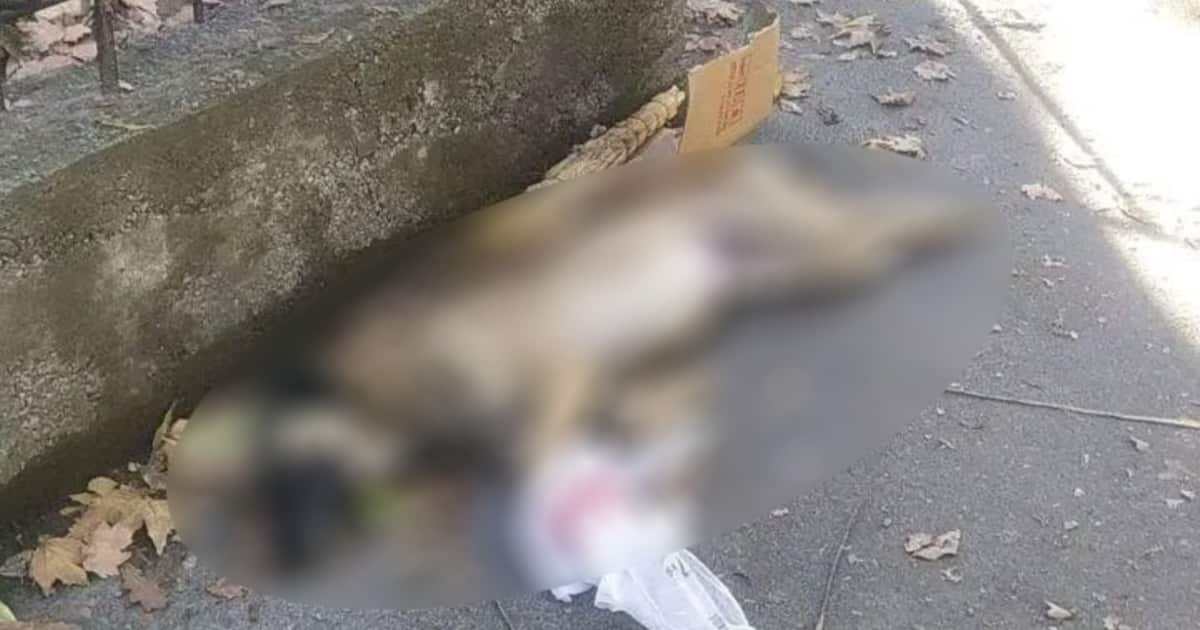
Residents of Tashkent District Demand Probe After Mass Deaths of Cats, Dogs and Birds
Residents of the 26th mahalla in Chilonzor district of Tashkent say they discovered multiple dead stray cats, dogs and birds in yards and public spaces, and suspect the animals may have been poisoned. Animal protection activists have urged interior ministry and veterinary services to open an urgent investigation; state agencies had not issued an official response at the time of reporting.
By Alexander Walter
999 views
Residents of the 26th mahalla in the Chilonzor district of Tashkent have reported discovering a number of dead stray cats, dogs and birds in yards and communal areas, prompting immediate concern that the animals may have been deliberately poisoned. The initial reports were carried by Podrobno.uz on November 16, citing a post from the Animal Life in Uzbekistan Telegram channel and local residents who found the carcasses on Saturday morning. At the time of reporting, no official confirmation of poisoning had been released by state agencies.
Local animal protection activists said neighbourhood residents began finding dead animals in their courtyards and around public spaces early in the day. While activists caution that the cause has not yet been established, they say discarded poisoned bait is a possible explanation and are urging authorities to treat the matter as an urgent public safety and criminal investigation. Residents told reporters they fear that if the animals were poisoned, household pets and small children who play outdoors could also be at risk.
Animal advocates and community members have publicly called on the Interior Ministry’s local police units and veterinary services to carry out a thorough on-site examination, collect samples and determine the cause of the deaths. They also demanded that any individuals responsible for deliberately harming animals be identified and prosecuted under the relevant laws. Activists stressed that solutions to the problem of stray animals should be legal and humane, and warned against allowing mass deaths to recur.
The Tashkent reports follow earlier incidents in the wider region. In March 2026, residents of the Zafarobod settlement in Tashkent region reported the deaths of nearly 30 dogs. At that time, local district authorities said that the police and veterinary service had been dispatched to the scene and found five dead dogs. Officials initially suggested the animals had died after consuming discarded fish waste, and reported that no toxic substances had been detected; the carcasses were removed for disposal on the same day. That earlier episode prompted similar public alarm and calls for clearer, more transparent investigations from authorities.
In the current Tashkent case, Podrobno.uz reported that state agencies had not issued an official comment by the time the story was published. The absence of an immediate official response has deepened residents’ frustration and increased calls for a timely, transparent inquiry that would both establish the cause of the animals’ deaths and address any public health implications.
Animal welfare campaigners say the recurrence of such incidents underlines the need for a comprehensive, humane policy on stray animals, alongside stronger enforcement to prevent deliberate poisoning or other forms of cruelty. They argue that municipal and national authorities should implement and publicise measures for animal control, vaccination, sterilisation programmes and safe disposal of waste that could otherwise attract animals.
The allegations also raise potential legal and criminal questions. Deliberate poisoning of animals, if confirmed, would constitute a criminal act and could have wider implications for public safety. Authorities responsible for public order and animal health — including local police and veterinary services — face pressure from residents to act quickly, provide transparent findings and take steps to prevent further incidents. Until laboratory tests or official investigations are completed and publicly released, the precise cause of the current deaths in Chilonzor remains unconfirmed, leaving neighbours and animal advocates demanding answers and safeguards.